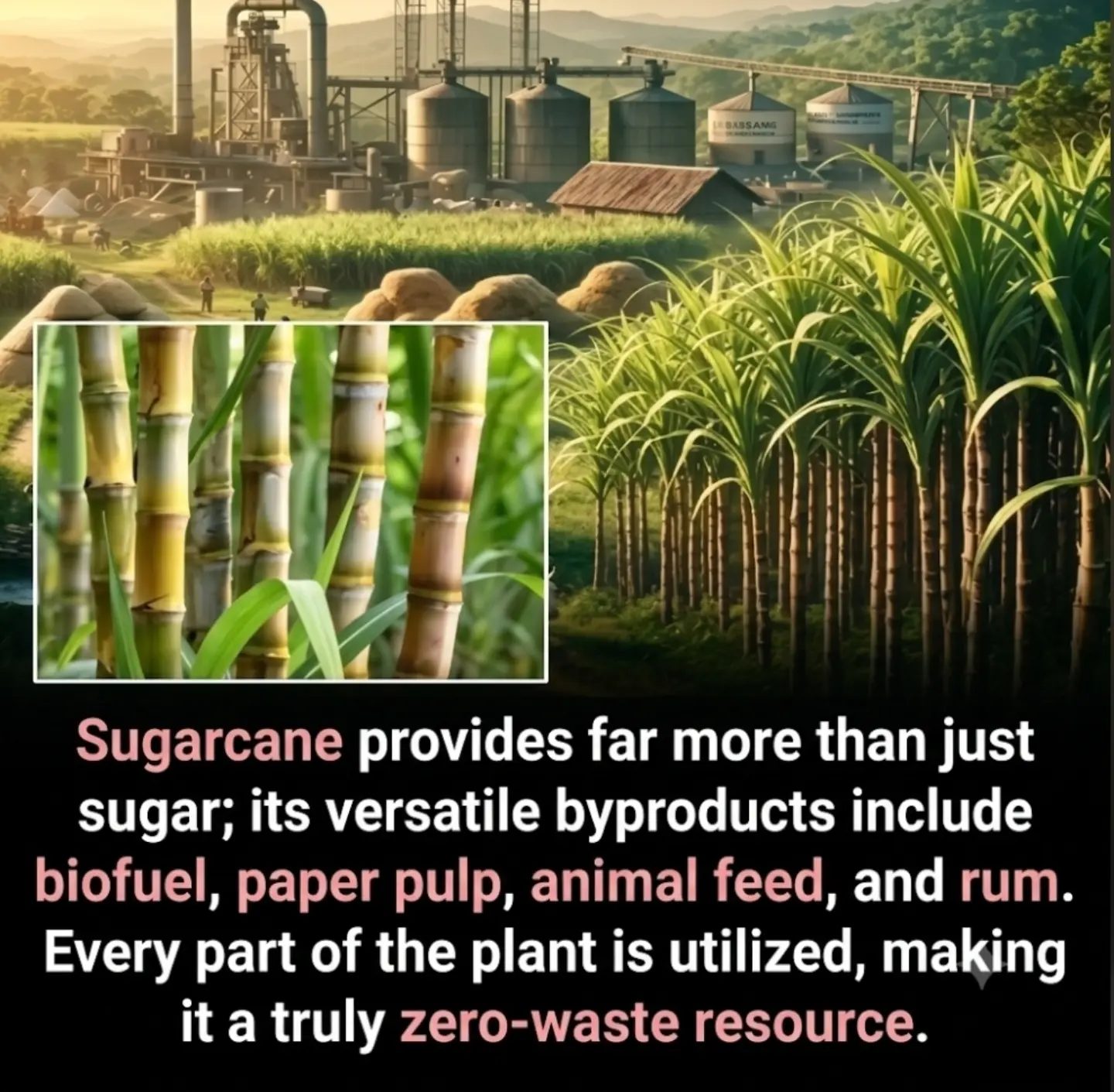
Sugarcane: A Versatile and Sustainable Resource
Sugarcane (Saccharum officinarum) is far more than just a source of table sugar. This robust plant is one of the world's most efficient and sustainable agricultural crops, embodying a versatile, zero-waste lifecycle. Its cultivation and processing yield a multitude of valuable byproducts, supporting various industries and contributing to a circular economy.
Why Sugarcane Matters
The significance of sugarcane lies in its efficient use of resources and the diverse range of products it generates. By maximizing the use of every part of the plant, sugarcane cultivation exemplifies industrial sustainability. This efficiency is increasingly important in global green energy strategies, making sugarcane a key player in reducing environmental impact.
The Many Uses of Sugarcane
Sugar Production
The primary use of sugarcane is for sucrose extraction, which is then refined into commercial sugar. This process involves crushing the stalks to extract the juice, which is then boiled to crystallize the sugar. However, the benefits of sugarcane extend far beyond this initial product.
Bagasse: A Fibrous Byproduct
After the sugarcane stalks are crushed to extract juice, the fibrous residue left behind is known as bagasse. This material is incredibly versatile and has several important applications. It is widely used to manufacture paper pulp and eco-friendly packaging materials. Additionally, bagasse can be combusted on-site to generate bioenergy and electricity, powering the processing facilities and reducing the reliance on fossil fuels.
Molasses: More Than Just a Sweetener
The dense syrup that remains after sugar crystallization is called molasses. This thick, sweet liquid has multiple uses. It serves as the foundational ingredient for rum distillation, giving us a variety of rum flavors and qualities. Molasses is also a high-value component in animal feed supplements, providing essential nutrients for livestock.
Biofuel Production
One of the most promising applications of sugarcane is in the production of bioethanol. Sugarcane juice and molasses can be fermented to produce this clean-burning biofuel. Bioethanol is a significant contributor to global green energy strategies, as it significantly reduces greenhouse gas emissions compared to traditional fossil fuels. This makes sugarcane not just an agricultural crop but also a critical player in the renewable energy sector.
Practical Tips for Maximizing Sugarcane Utilization
On-Farm Practices
For farmers and growers, maximizing sugarcane utilization starts on the field. Proper cultivation practices, including crop rotation and soil management, can enhance the yield and quality of sugarcane. Ensuring that every part of the plant is harvested and utilized efficiently is key to sustainable farming.
Industrial Applications
In industrial settings, the efficient use of byproducts like bagasse and molasses can significantly reduce waste and increase profitability. For instance, integrating bagasse into biorefineries can produce a range of valuable chemicals and materials. Similarly, optimizing the use of molasses in animal feed and biofuel production can enhance overall efficiency.
Government and Policy Support
Governments can play a crucial role in promoting the efficient use of sugarcane. Policies that encourage the development of bioethanol and other byproducts can drive innovation and investment in this sector. Additionally, incentives for farmers to adopt sustainable practices can enhance the overall efficiency and sustainability of sugarcane cultivation.
Important Takeaways
Sugarcane is more than just a sugar crop; it is a multifaceted resource that supports various industries and contributes to a sustainable future. By utilizing every part of the plant, from sugar and biofuel to animal feed and packaging, sugarcane exemplifies a zero-waste approach. The efficient use of sugarcane byproducts not only enhances profitability but also supports global green energy strategies, making it a cornerstone of sustainable agriculture.
Conclusion
Sugarcane stands as a testament to the potential of agricultural crops to support a diverse range of industries while promoting sustainability. From sugar and biofuel to animal feed and eco-friendly packaging, every part of the sugarcane plant is utilized, making it a truly zero-waste resource. By embracing the full potential of sugarcane, we can move towards a more sustainable and efficient future.
Questions readers ask
What are the primary uses of sugarcane beyond sugar production?
Beyond sugar, sugarcane is used to produce bioenergy, such as ethanol for fuel, and animal feed. Its stalk can be used to create paper pulp, and its processing waste can be used to make industrial products like paper and construction materials.
How does sugarcane contribute to a zero-waste lifecycle?
Sugarcane embodies a zero-waste lifecycle by utilizing every part of the plant. The stalk is used for sugar and ethanol production, while the fibrous residue can be used for paper pulp. The molasses, a byproduct of sugar processing, can be used to produce rum or animal feed.
Can sugarcane help reduce environmental impact?
Yes, sugarcane can help reduce environmental impact by producing biofuels that lower greenhouse gas emissions compared to fossil fuels. Its efficient use of resources and support for a circular economy make it a valuable player in sustainable industrial strategies.
What are the key byproducts of sugarcane processing?
Key byproducts of sugarcane processing include bagasse (fibrous residue from the stalks), which can be used for paper pulp, bioenergy, and composting. Molasses, a byproduct of sugar production, can be used to make rum, ethanol, and animal feed. Additionally, sugarcane leaves and tops can be used as animal feed.
How is sugarcane involved in the production of biofuels?
Sugarcane is a significant raw material for biofuel production, particularly ethanol. The sugarcane stalk is rich in sucrose, which can be fermented and distilled to produce ethanol. This biofuel is a renewable alternative to fossil fuels, helping to reduce carbon emissions.
In what ways does sugarcane support the circular economy?
Sugarcane supports the circular economy by maximizing the use of every part of the plant. It contributes to various industries, such as bioenergy, animal feed production, and sustainable construction materials. This efficient use of resources minimizes waste and promotes sustainability.
What role does molasses play in sugarcane's zero-waste approach?
Molasses, a byproduct of sugar processing, plays a crucial role in sugarcane's zero-waste approach. It can be used to produce rum, ethanol, and animal feed. This reduces waste and adds economic value to the sugarcane industry, further emphasizing its sustainability.
Recent articles
Fresh deep dives from the latest Reels we unpacked.




Comments
Be the first to comment.