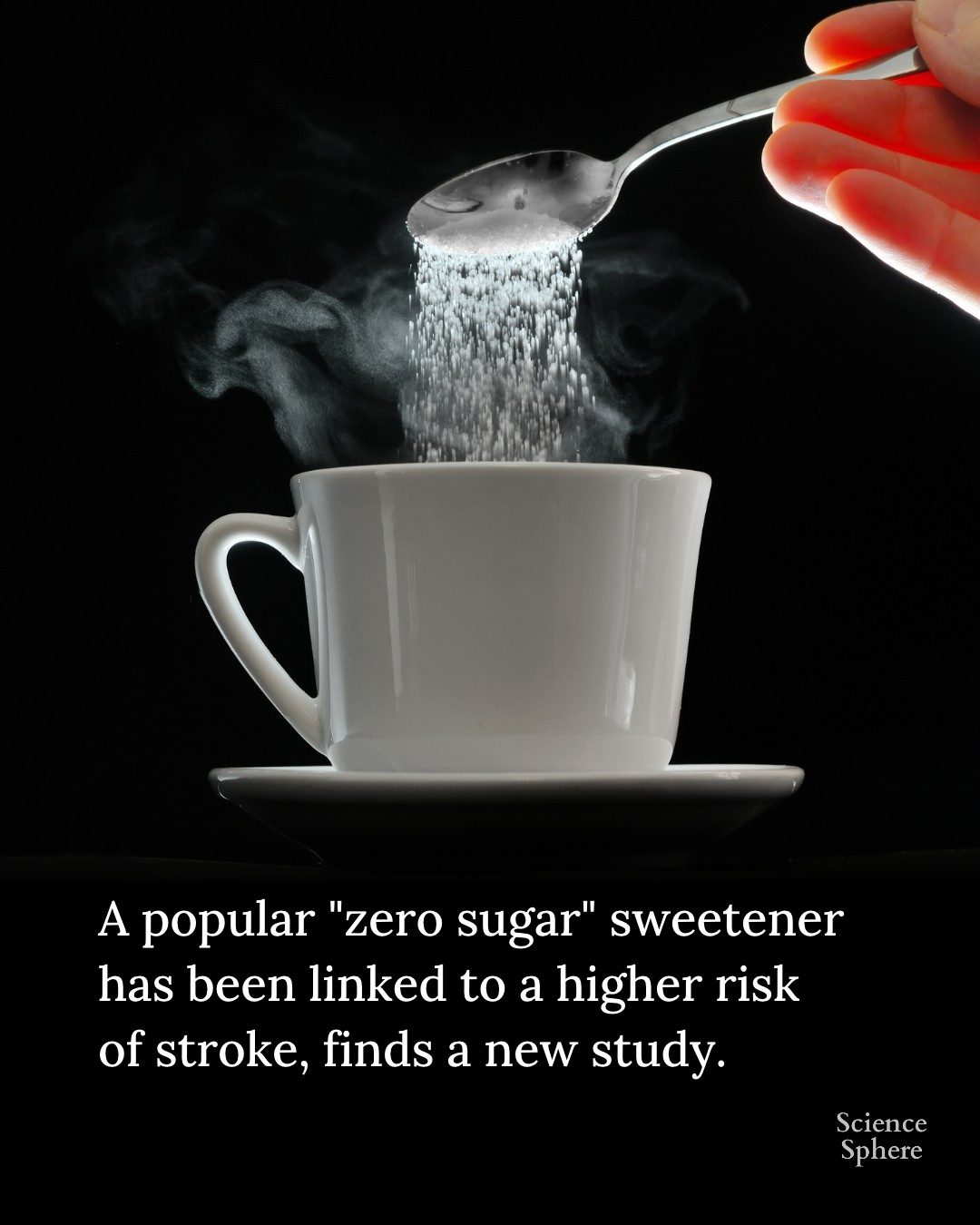
The Limit of Zero Sugar Sweetener Lure
Science Sphere pops a sobering question: Does the lure of sugar-free sweetness endanger us? Around the world, healthier lifestyles have led to a boom in zero-sugar sweetener consumption. The public appetite for these additives is huge, driven by consumer interest in fat-free, sugar-free products. Amid this trend, new research explains how zero-sugar alternatives might actually increase the risk of stroke.
Sugar-Free Diet's Unwritten Risks
The eye-catching claim here is that zero calorie sweeteners might be less beneficial when it comes to blood sugars than we previously thought. Most zero-sugar sweeteners—from aspartame to saccharin—have been cleared for use by regulatory authorities based on toxicity studies. Yet now we're seeing increased attention about a possible link to health issues. Perhaps most striking is the emerging research around cardiovascular health. It's well-established that excessive sugar intake can lead to a litany of health problems. However, the idea that zero-sugar options could pose their own set of risks is something we haven't fully explored. The study Science Sphere references - which is too recent to include here - highlights a trend that could change how consumers select their daily coffee sweetener. The finding that zero-sugar sweetened drinks may be linked to a higher risk of stroke is a stark reminder that zero isn't always devoid of health risks.
Zero Sugar Health Risks & The Consumer Message
One critical implication for science professionals is that it should strengthen the case for tailored dietary guidance. Both the media and the public are shifting towards more nuanced, personalized understanding of health. However, recent, nuanced studies can easily be sidelined if they're not communicated clearly - especially when they counter earlier research. In the context of health claims and consumer choice, the zero-sugar trend is a perfect example - consumers are seeking easy nutritional promises. It is the duty of science communicators and regulators to use language that explains the nuance accurately. For example, whilst zero-calorie sweeteners have been deemed safe, they are far from universally beneficial. These claims are fundamental for helping consumers understand that it's equally important to know what zero-sugar products are doing to ones health.
An Undeserved Drink Label
We've come to love the idea that zero means zero. Coffee labels that proudly boast 'zero-sugar' have found a sweet spot in the consumer psyche. But as we learn more about the potential risks associated with zero-sugar additives, clear communication about what 'zero' actually means could become the sugar substitute industry's most important advancement.
Related deep dives
Similar reads based on topic and creator.
Recent articles
Fresh deep dives from the latest Reels we unpacked.

Comments
Be the first to comment.