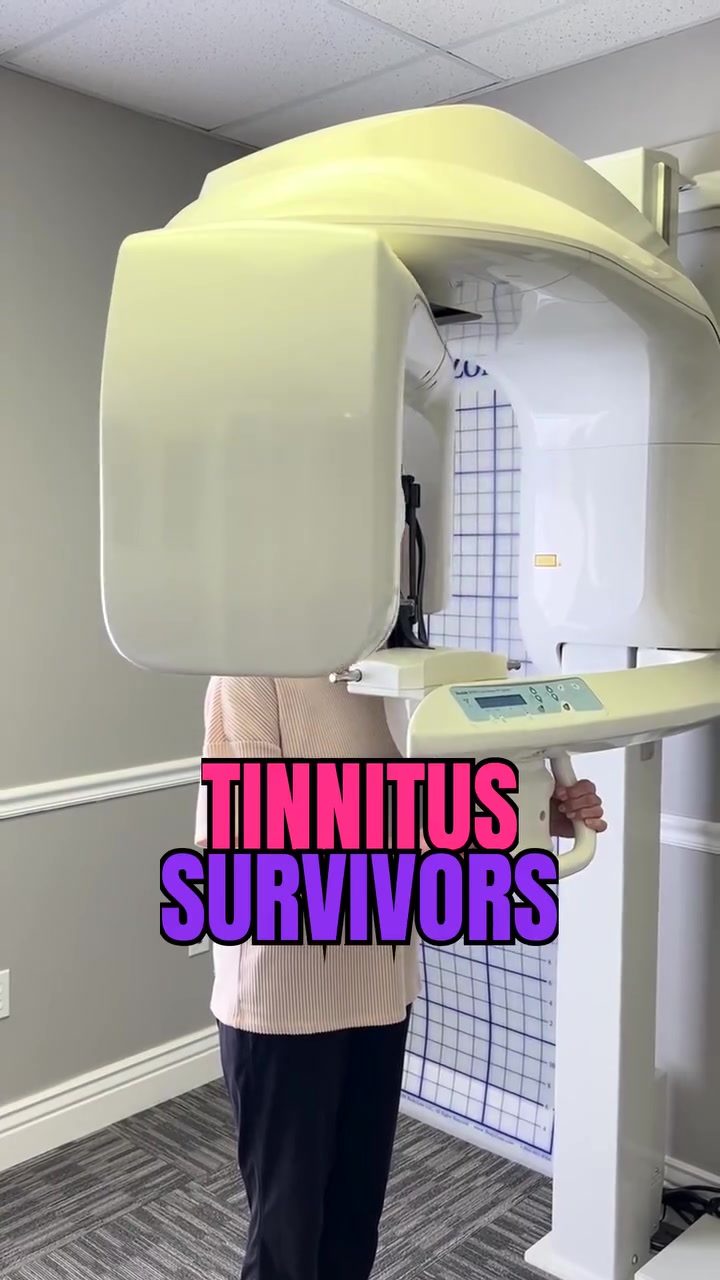
Scanning for Diagnosis
Complaints of a persistent ringing sound in the ears, known as tinnitus, can be debilitating. It's estimated that around 10-15% of the population , but the challenges of diagnosing the underlying cause persist. Modern dental scanning techniques may provide an answer. Dental scans designed to detect tooth decay, cavities, and oral diseases also reveal underlying bone structures and the unique leadership of the jaw. This non-invasive process of taking x-ray, 3D images or scans of the jawline inside the scanner matches to tinnitus. This insight invites a deeper understanding of how dental issues might contribute to tinnitus. Researchers are continuing to study the relationship between dental issues and tinnitus. The on-screen text overlay reads "TINNITUS" and "SURVIVORS", implying that survivors of dental trauma may find relief. "Tinnitus" is a condition without a definitive cause, but could be related to inflammation ,dental trauma, or underlying infections.
The Role Of Dental Health In Body Systems
People experience ringing in the ears with no clear cause, but the presence of tinnitus does not indicate brain damage or tumor — it is often the result of underlying issues. Though dental procedures often alleviate pain and suffering, they may also prompt tinnitus. Dental scans might reveal this. The creators of dental scans have indeed considered the relationship between teeth health, jaw, and ears, revealing that dental infection or other dental-related issues could indeed contribute to tinnitus.
Promising Results From Dental Scans
Researchers continue to uncover how the jaw and ears are related. For example, the fact that the jaw and the ears share a common nerve pathway — the trigeminal nerve — suggests that issues in one area can affect the other. Dental scans show alignment or malformations of the jaw that may contribute to tinnitus. Patients undergoing dental scans can reveal the source of their tinnitus, which may not be immediately apparent. Dental scans serve multiple purposes and help detect underlying issues. This advancement in dental scans could help millions of people who suffer from tinnitus. Dental scans may provide the key to alleviating tinnitus in some patients. By detecting abnormalities in the jaw, researchers may detect the underlying cause of the condition.
Related deep dives
Similar reads based on topic and creator.



Recent articles
Fresh deep dives from the latest Reels we unpacked.




Comments
Be the first to comment.