Golden Penguin Discovery
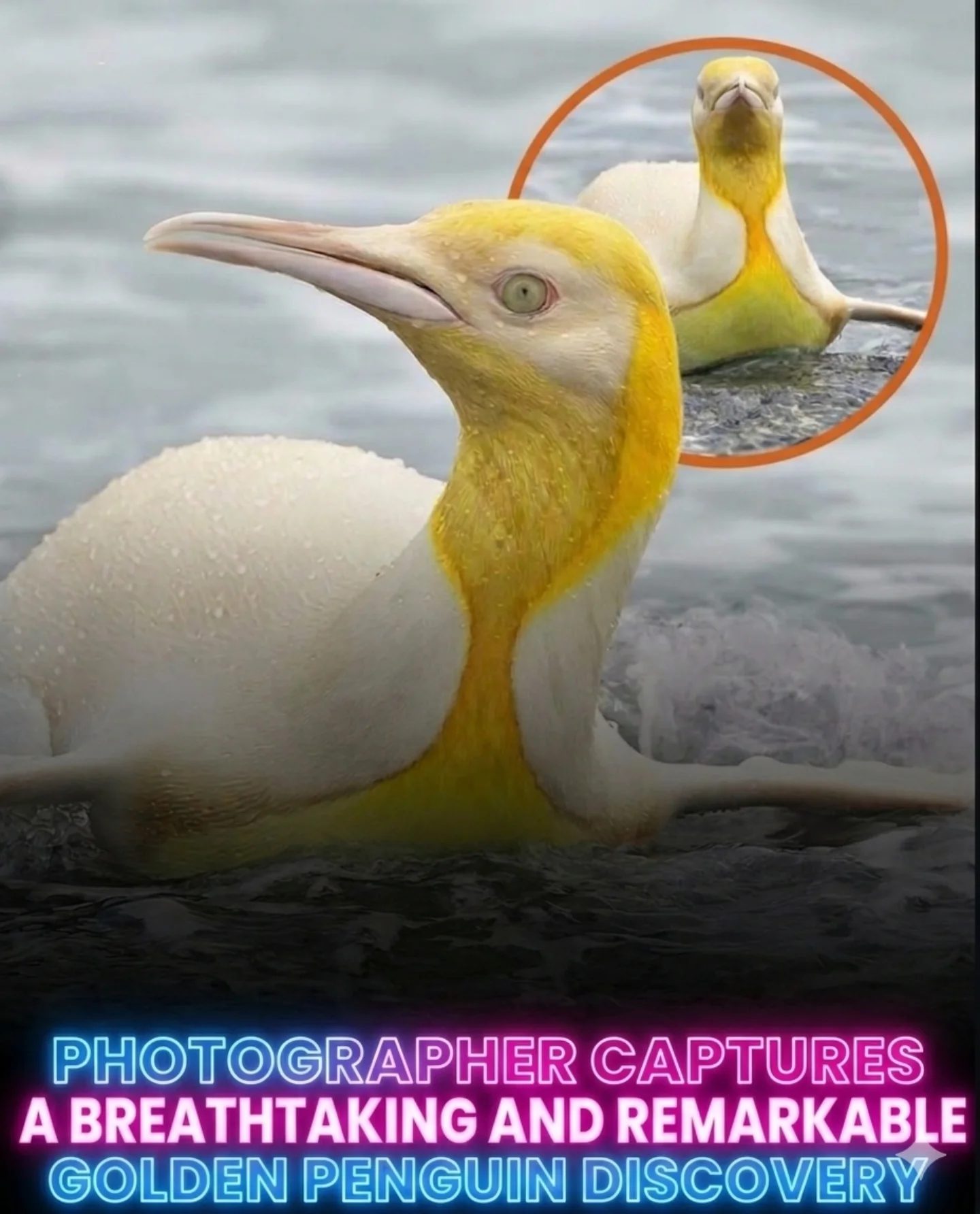
In December 2019, Belgian wildlife photographer Yves Adams captured a breathtaking and remarkable discovery: a golden penguin. This unique individual was photographed during a two-month expedition in South Georgia, an island in the far South Atlantic. The photograph, taken at Salisbury Plain, home to a massive colony of over 120,000 King Penguins, immediately stood out due to its striking coloration.
Context / Why this matters
Adams' photograph quickly went viral across the internet when released in early 2021, sparking widespread interest and curiosity. The discovery highlights the rare and fascinating genetic conditions that can occur in wildlife, specifically leucism, which causes a partial loss of pigmentation in animals. Understanding these conditions not only enriches our appreciation of the natural world but also sheds light on the challenges these unique creatures face in their habitats.
Main discussion
The Unique Golden Appearance
The golden penguin's stunning appearance is a result of leucism, a genetic condition that causes a partial loss of pigmentation. Unlike albinism, which results in a total lack of melanin and distinctive red eyes, leucistic animals still produce some pigment. In the case of this king penguin, the leucism stripped away the dark black and grey melanin from its feathers, revealing the natural yellow pigments that are usually hidden.
King penguins naturally use a unique yellow-and-orange pigment to color their neck patches and heads. Because of the leucism, the penguin's entire upper body appears bright yellow and white, creating a breathtaking "golden" effect. Its eyes, beak, and feet also retained some normal coloration, adding to its distinctive appearance.
The Challenges of Leucism
While leucistic animals are incredibly beautiful, the condition can make life more challenging in the wild. Penguins rely on countershading for camouflage: their black backs help them blend in with the ocean depths when viewed from above, and their white bellies help them blend with the sky when viewed from below. This adaptation helps them avoid predators like leopard seals and killer whales. The golden penguin's lack of dark pigmentation makes it much easier for predators to spot, putting it at a significant disadvantage.
Additionally, King Penguins use their bright neck patches to attract mates. The golden penguin's entire upper body is bright yellow and white, making it unclear whether other penguins view it as an attractive partner or an odd outsider. This could potentially impact its ability to find a mate and reproduce successfully.
Practical tips
Spotting a leucistic penguin in the wild, such as the golden penguin photographed by Yves Adams, is an extremely rare occurrence. Here are some tips to enhance your chances of making a unique wildlife discovery:
-
Choose the Right Location: South Georgia, where Adams made his discovery, is home to one of the largest colonies of King Penguins. Similar colonies can be found in other sub-Antarctic islands, such as the Falklands and the South Sandwich Islands.
-
Opt for Early Seasons: Adams' expedition took place in December, which is summer in the Southern Hemisphere. This period is ideal for wildlife viewing as animals are more active and visible.
-
Be Patient and Observant: Wildlife photography often requires patience and a keen eye. Spend time observing the behavior and appearance of the animals around you. Any slight deviation from the norm could be a sign of a unique discovery.
-
Invest in Quality Equipment: A high-quality camera and lens can make a significant difference in capturing detailed and striking photographs, especially in challenging environments like the Antarctic.
-
Respect Wildlife and Environment: Always prioritize the well-being of the animals and their habitat. Maintain a safe distance and follow ethical wildlife photography practices to ensure that your presence does not disrupt the natural behavior of the animals.
Important takeaways
The discovery of the golden penguin serves as a reminder of the incredible diversity and rarity found in the natural world. It underscores the importance of wildlife photography in documenting and raising awareness about unique and endangered species. Additionally, it highlights the challenges that leucistic animals face in the wild, emphasizing the need for continued conservation efforts to protect these vulnerable creatures.
Conclusion
The golden penguin's discovery is a testament to the wonders of nature and the dedication of wildlife photographers like Yves Adams. This remarkable find not only provides insight into the rare genetic condition of leucism but also underscores the importance of conservation efforts in protecting unique and endangered species. By understanding and appreciating these extraordinary creatures, we can work towards preserving their habitats and ensuring their survival for future generations to admire and study.
Questions readers ask
What is leucism and how does it affect penguins?
Leucism is a genetic condition that results in partial loss of pigmentation in animals. In penguins, this condition causes a reduction in melanin, leading to a distinctive bright yellow and white coloration. The golden penguin photographed by Yves Adams is a prime example of leucism in wildlife.
Where and when was the golden penguin discovered?
The golden penguin was discovered in December 2019 by wildlife photographer Yves Adams in South Georgia. South Georgia is an island in the South Atlantic, known for its large colonies of king penguins, including the Salisbury Plain colony, where the golden penguin was photographed.
What is significant about the golden penguin discovery?
The discovery of the golden penguin is significant because it provides a rare glimpse into natural genetic anomalies. It highlights the beauty and challenges associated with leucism, a condition that affects the pigmentation of animals. Additionally, the photograph's widespread popularity sparked keen interest in wildlife anomalies.
How does leucism differ from albinism in penguins?
Leucism and albinism are both genetic conditions that affect pigmentation, but they differ in the extent and type of pigment loss. Leucism results in a partial loss of pigment, leading to a pale or patchy appearance. Albino animals, on the other hand, lack melanin entirely, resulting in a completely white or very light coloration. Additionally, albino animals typically have red or pink eyes due to the lack of pigment in the eyes, unlike leucistic animals.
What is the impact of leucism on the survival of penguins?
Leucism can present challenges for the survival of penguins. The bright coloration can make them more visible to predators, and their distinctive appearance may affect their ability to blend in with their environment. However, this golden penguin was observed in a large colony, which may offer some protection. The unique condition of leucistic animals makes their survival a topic of interest and observation within the wildlife community.
Why did Yves Adams' photograph of the golden penguin go viral?
Yves Adams' photograph went viral due to the striking and unusual appearance of the golden penguin. The unique coloration and the rarity of such a sighting captured the public's imagination and sparked widespread curiosity and interest in this rare wildlife find. The photograph's release in early 2021 coincided with a growing interest in unusual and captivating wildlife stories.
What is the role of melanin in penguins?
Melanin is a pigment that plays a crucial role in the coloration of penguins. It provides the typical black and white plumage that helps penguins blend in with their surroundings and regulate their body temperature. In the case of the golden penguin, a reduction in melanin due to leucism results in the distinctive yellow and white coloration, making it stand out from its colony.
Related deep dives
Similar reads based on topic and creator.

Recent articles
Fresh deep dives from the latest Reels we unpacked.




Comments
Be the first to comment.