Pilot Training
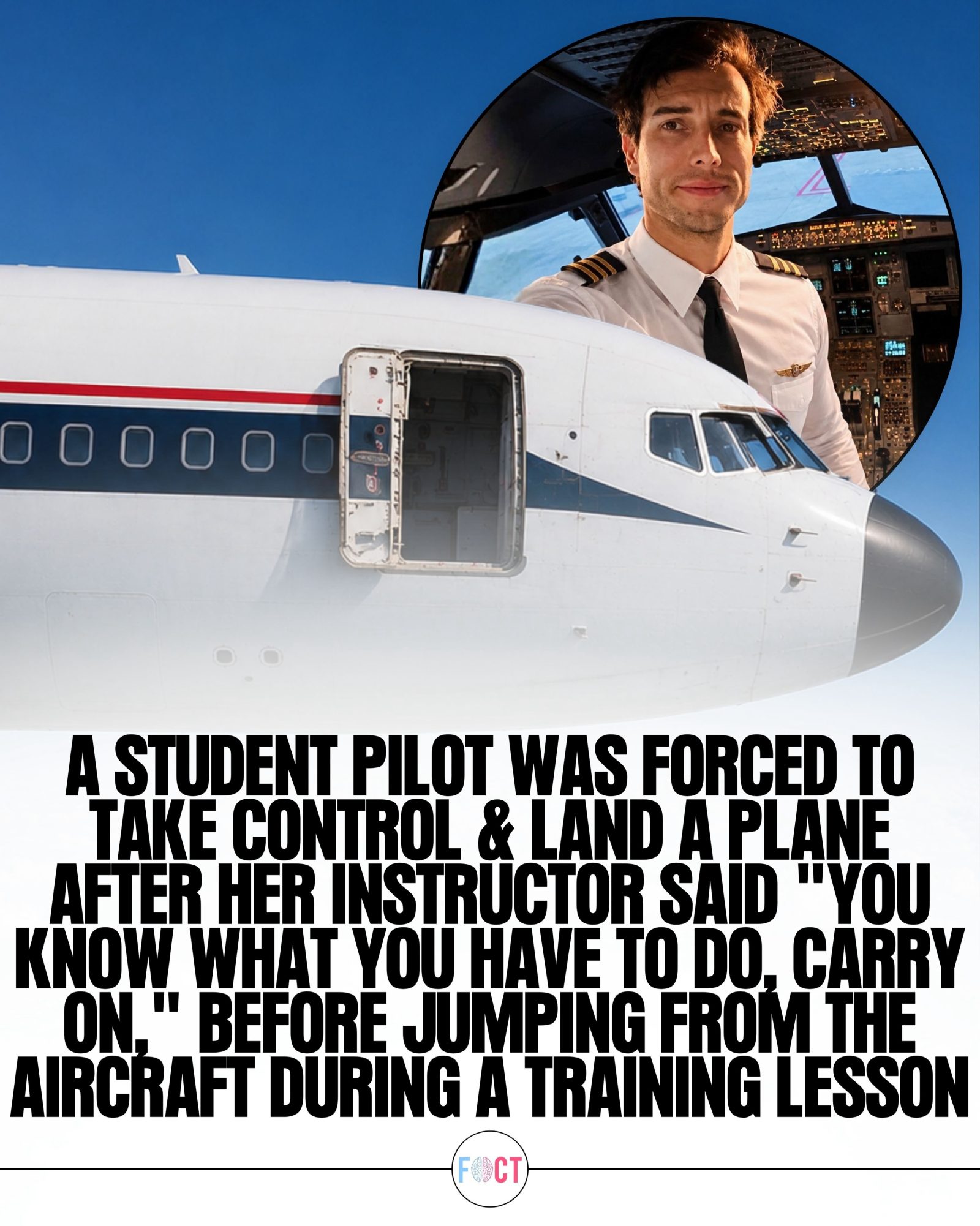
In the skies over rural Toledo, Argentina, a sudden and dramatic event unfolded during an aircraft training session. The pilot in training was Rosario, a 22-year-old student pilot, who found herself in an unexpected and terrifying situation. Mid-lesson, her flight instructor, Leandro Andrés Bertazzo, turned to her and said, “You know what you have to do, carry on.” Then, in a shocking act, Bertazzo took off his headset, unbuckled his seatbelt, and jumped from the Cessna 150 aircraft, leaving Rosario to control the plane entirely on her own.
Why This Matters
The dramatic situation faced by Rosario highlights the critical skills and mental fortitude required in pilot training. It underscores the importance of preparedness and the ability to handle unexpected emergencies during flight training. The event serves as a stark reminder of the potential risks and the need for rigorous training protocols in the aviation industry.
Context and Background
The Event in Detail
The incident occurred when Rosario was mid-lesson with her instructor, Leandro Andrés Bertazzo. The flight was over a rural stretch of Toledo, a location chosen for its relatively low risk and controlled environment. Bertazzo was a 42-year-old instructor at the Flying Parrot Córdoba flight school, known as FOCCT. His actions—taking off his headset, unbuckling his seatbelt, and jumping from the aircraft—left Rosario in a situation where she had to land the plane solo, despite not having the required flight hours to fly unsupervised.
The Aftermath
Eduardo Álvarez, the director of the Flying Parrot Córdoba flight school, described the gravity of the situation. The door of a small aircraft in flight functions similarly to the door of a car traveling at 124 miles per hour when opened, highlighting the extreme conditions under which Rosario had to operate. Álvarez also mentioned that Bertazzo had flown a separate training session with another student earlier that same day. There were no indications that Bertazzo was planning to take his own life, although it was later revealed that he had been receiving psychiatric care.
Main Discussion
The Psychological and Physical Demands of Pilot Training
Pilot training involves rigorous physical and psychological preparation. Pilots must be able to handle a variety of situations, from routine flights to emergency landings. The incident involving Rosario illustrates the critical importance of mental resilience and quick decision-making skills in the cockpit. Rosario’s ability to land the plane safely is a testament to the thorough training she had undergone, even though she hadn't logged enough hours to fly solo.
Emergency Procedures and Preparedness
Training for emergency situations is a core component of pilot training. Pilots are taught to handle a wide range of emergencies, including engine failure, bird strikes, and sudden changes in altitude. The incident underscores the need for comprehensive training that prepares pilots for the most unexpected and dangerous scenarios. Emergency protocol training often involves simulations and real-life drills to ensure that pilots are prepared for any situation.
The Role of Flight Instructors
Flight instructors play a crucial role in shaping the skills and confidence of student pilots. They are responsible for creating a safe and controlled environment for learning, as well as providing the necessary guidance to handle real-world scenarios. The actions of Bertazzo, while extreme and unexpected, highlight the importance of the instructor’s role in ensuring the safety and preparedness of their students. Instructors must be able to assess the readiness of their students and provide the appropriate level of support and challenge.
Psychological Support in Aviation
The aviation industry recognizes the importance of psychological well-being among its professionals. Regular psychological assessments and support systems are in place to ensure that pilots and instructors can handle the stressors of the job. The incident involving Bertazzo underscores the need for continuous monitoring and support for flight instructors, who often face significant stress and mental health challenges. Ensuring the well-being of instructors is crucial for maintaining the safety and efficiency of flight training programs.
Practical Tips
For Student Pilots
-
Stay Calm and Focused: Understand that emergency situations require a clear mind and focused approach. Training drills can help you develop the mental resilience needed to handle high-stress situations.
-
Know the Emergency Protocols: Familiarize yourself with all emergency procedures, including those for engine failure, loss of control, and landing in adverse conditions.
-
Regular Simulations: Engage in regular flight simulations and drills to build confidence and muscle memory for emergency maneuvers.
For Flight Instructors
-
Professional Development: Continuously update your skills and knowledge through professional development courses and workshops.
-
Regular Check-ins: Maintain regular check-ins with your students to assess their progress and provide the necessary guidance and support.
-
Support Systems: Utilize the available psychological support systems to manage your stress and maintain your well-being.
Important Takeaways
The incident involving Rosario is a stark reminder of the critical importance of preparedness and resilience in pilot training. It highlights the need for comprehensive training that equips pilots with the skills and confidence to handle unexpected and dangerous situations. The role of flight instructors and the psychological well-being of aviation professionals are also critical components of ensuring the safety and efficiency of flight training programs. While such dramatic events are rare, they underscore the importance of ongoing training, support, and preparation in the aviation industry.
Conclusion
Pilot training is a rigorous and demanding process that requires physical and psychological preparedness. The incident involving Rosario and her instructor, Leandro Andrés Bertazzo, illustrates the critical importance of emergency procedures, psychological support, and the role of flight instructors in ensuring the safety and efficiency of flight training. By understanding the demands and challenges of pilot training, aspiring pilots and instructors can better prepare for the responsibilities and risks associated with flying.
Questions readers ask
What were the circumstances surrounding the emergency landing by Rosario, the student pilot?
Rosario was participating in a routine training flight with her instructor, Leandro Andrés Bertazzo, over rural Toledo, Argentina. During the lesson, Bertazzo unexpectedly exited the aircraft, leaving Rosario to land the plane solo. This incident emphasizes the importance of mental composure and preparedness in pilot training.
What steps should a student pilot take if they find themselves alone in the cockpit during a training flight?
If a student pilot finds themselves alone in the cockpit, they should immediately follow the emergency protocols they have been trained on, maintain calm, and focus on controlling the aircraft. Radioing air traffic control for assistance is also a crucial step, as they can provide guidance and support.
What is the significance of mental composure in aviation training, as highlighted by this incident?
Mental composure is vital in aviation training as it enables pilots to make clear decisions under pressure. This incident with Rosario underscores how maintaining a calm and focused mindset is essential for handling unexpected situations, such as an instructor's abrupt exit, and ensuring a safe outcome.
What risks are associated with aviation training that this incident brings to light?
This incident highlights several risks in aviation training, including the unpredictability of situations and the need for constant vigilance. It also underscores the necessity for thorough training and preparedness to handle emergencies, as well as the importance of safety protocols and emergency procedures.
What procedures are typically in place to ensure safety during student pilot training flights?
During student pilot training, safety procedures typically involve thorough pre-flight checks, clear communication between the instructor and student, and adherence to emergency protocols. Regular training sessions and mock drills help students become familiar with handling unexpected situations, such as the one Rosario faced.
How can aviation instructors prepare students for unexpected emergencies during training flights?
Instructors can prepare students by conducting regular emergency drills and simulations. They should also emphasize the importance of staying calm under pressure, following established protocols, and communicating effectively with air traffic control. Additionally, instructors should ensure students are well-versed in handling various in-flight scenarios.
What role does preparedness play in the success of student pilots during emergency situations, as seen in Rosario’s case?
Preparedness is crucial for student pilots to navigate emergency situations successfully. In Rosario’s case, her ability to land the plane safely, despite the shocking circumstances, demonstrates the importance of thorough training and the capacity to remain calm and focused under pressure. Regular practice and adherence to safety protocols contribute significantly to a positive outcome in such scenarios.
Related deep dives
Similar reads based on topic and creator.


Recent articles
Fresh deep dives from the latest Reels we unpacked.




Comments
Be the first to comment.