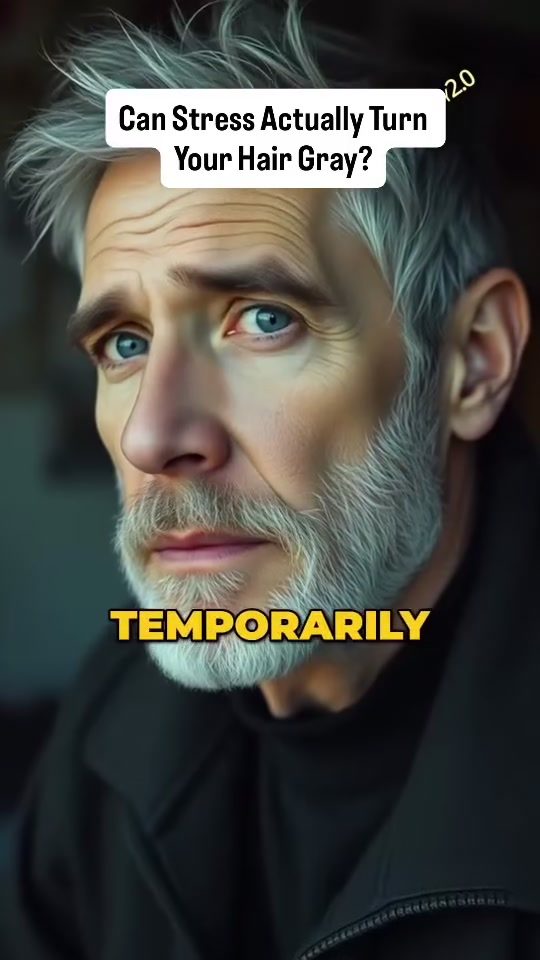
Can Stress Actually Turn Your Hair Gray?
Hair graying is a natural part of aging, but can stress accelerate the process? Recent research suggests that extreme stress can indeed cause hair to lose its color, and understanding this phenomenon might offer insights into reversing other aspects of aging.
Why this Matters
The connection between stress and hair graying is more than just a myth. Studies have shown that stress can induce temporary graying, and understanding this process could help us manage both hair health and overall well-being. This knowledge is particularly relevant in today's fast-paced world, where chronic stress is a common issue.
The Link Between Stress and Hair Graying
The Role of Stress
Stress can have profound effects on the body, including changes in hair pigmentation. When a person experiences extreme stress, the hair follicles may stop producing melanin, the pigment responsible for hair color. This results in gray or white hair.
Reversing Gray Hair
Interestingly, this graying can be temporary. If the stress is reduced, the hair can regrow with its original color. This phenomenon is often seen in individuals who undergo traumatic events and then recover. For example, a person might go on vacation and relax, allowing their hair to return to its natural color.
Understanding the Molecular Changes
Stress and Aging
Recent research by Dr. David Sinclair and his team has delved into the molecular changes that occur during stress-induced graying. By examining hair samples, they discovered that stress triggers specific molecular changes associated with aging. These changes can be reversed, providing hope for not only restoring hair color but also potentially slowing down other aging processes.
The Impact on the Body
The molecular changes observed in hair follicles are not isolated; they reflect broader aging processes in the body. This means that understanding and managing stress could have a wide-ranging impact on overall health. Stress management techniques, such as mindfulness and relaxation exercises, could play a crucial role in maintaining a youthful appearance and optimal health.
Practical Tips for Managing Stress and Hair Health
Stress Management Techniques
- Mindfulness and Meditation: Practicing mindfulness can help reduce stress levels. Even a few minutes of meditation each day can make a significant difference.
- Exercise Regularly: Physical activity releases endorphins, which are natural mood boosters and stress relievers.
- Healthy Diet: Eating a balanced diet rich in antioxidants, vitamins, and minerals supports overall health and can help manage stress.
- Adequate Sleep: Quality sleep is essential for stress management. Aim for 7-9 hours of sleep per night.
- Social Support: Building a strong social network can provide emotional support and help manage stress.
Professional Interventions
If stress becomes unmanageable, seeking professional help from a therapist or counselor can be beneficial. They can provide personalized strategies and techniques to cope with stress effectively. Additionally, certain medical interventions, such as cognitive-behavioral therapy (CBT), can help manage chronic stress.
Important Takeaways
- Stress and Gray Hair: Extreme stress can cause temporary hair graying, but reducing stress can reverse this effect.
- Molecular Changes: Research has identified molecular changes in hair follicles linked to aging and its potential reversal.
- Stress Management: Effective stress management techniques can help maintain hair health and overall well-being.
Understanding the link between stress and hair graying provides valuable insights into managing stress and slowing down the aging process. By adopting stress management techniques and seeking professional help when needed, individuals can maintain their hair health and overall vitality.
Conclusion
The connection between stress and hair graying highlights the profound impact of stress on the body. By understanding the molecular changes that occur during stress-induced graying, we can develop effective strategies to manage stress and potentially slow down the aging process. Incorporating stress management techniques into daily life can lead to healthier hair and a more youthful appearance, contributing to overall well-being and longevity.
Recent articles
Fresh deep dives from the latest Reels we unpacked.




Comments
Be the first to comment.