Akin to an Ancient Conflict: The Misak and Nasa Tribes' Modern Tribal War in Colombia
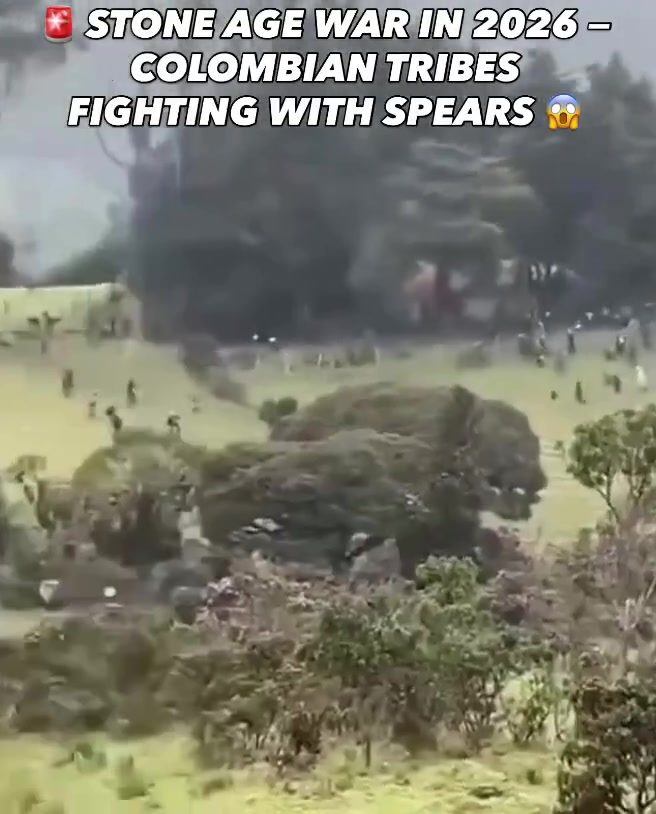
In 2026, an intense, raw, and violent tribal conflict is unfolding in Colombia, a country known for its diverse cultures and landscapes. The Misak and Nasa people, two indigenous groups, are currently engaged in a brutal war over land using traditional weapons such as spears, arrows, and blunt force. This isn't a scene from a distant past; it's a reality playing out in the present day.
Context: The Misak and Nasa People and Their Conflict
To understand the gravity of this situation, it's essential to delve into the background of the Misak and Nasa people. Both groups have deep historical roots in Colombia. The Misak people, also known as the Guanacas, have traditionally inhabited the regions surrounding the Sierra de los Coconucos, a range of mountains known for their lush forests and rugged terrain. The Nasa people, on the other hand, have historically lived in the Cauca Valley, a region characterized by its fertility and strategic locations.
Historically, both tribes have engaged in conflicts over resources, principally land. These disputes have often been resolved through traditional means, such as ritual combat or diplomatic negotiations. However, the current conflict is marked by a level of brutality and intensity that underscores the failure of modern governmental structures to maintain control over these territories.
The Current Conflict: Traditional Weapons and Raw Violence
The Misak and Nasa tribes are fighting over land using traditional weapons like spears, arrows, and blunt force. This method of conflict resolution is a stark reminder of how ancient tribal structures can resurface when modern governance fails. The battle scenes are raw and violent, a far cry from the media-hyped conflicts seen in other parts of the world. The lack of drone coverage and media hype adds to the authenticity of the conflict, making it seem as if it belongs in another century.
The scene of the conflict is a natural landscape, complete with hills, grass, trees, and rocks. This setting provides a realistic environment for the historical simulation, making the conflict even more poignant. The Misak and Nasa people are not fighting with advanced weaponry or high-tech gear. Instead, they rely on traditional tools and their combat skills — a testament to their resilience and survival instincts.
Why This Matters
This conflict is a sobering reminder of the ongoing struggle between indigenous groups and modern governance. While the rest of the world engages in debates about artificial intelligence, pronouns, and space travel, the Misak and Nasa tribes are fighting a war that feels like it belongs in another era. This situation highlights several critical issues:
The Failure of Modern Governance
The conflict underscores the failure of modern governments to maintain control over their territories and protect their citizens. In the absence of effective governance, ancient tribal structures take over, leading to raw, violent conflicts. This is a stark reminder of the need for governments to invest in effective governance and conflict resolution mechanisms.
The Resilience of Indigenous Groups
The Misak and Nasa tribes' determination to fight over land using traditional weapons is a testament to their resilience and survival instincts. Despite the challenges they face, these groups continue to fight for their rights and resources, showcasing their strength and determination.
The Need for Effective Conflict Resolution
The current conflict highlights the need for effective conflict resolution mechanisms. Traditional methods of conflict resolution, while effective in the past, are not enough to address the complexities of modern conflicts. There is a need for innovative approaches to conflict resolution that can address the root causes of conflicts and promote peace and stability.
Practical Tips for Understanding and Addressing Tribal Conflicts
Understanding and addressing tribal conflicts requires a multifaceted approach. Here are some practical tips:
Research and Awareness
Researching and understanding the historical context and cultural dynamics of tribal conflicts is crucial. This knowledge can help in developing effective conflict resolution strategies and promoting peace and stability.
Engage with Local Communities
Engaging with local communities and stakeholders is essential for addressing tribal conflicts. This engagement can help in identifying the root causes of conflicts and developing effective conflict resolution strategies that are culturally appropriate and sustainable.
Invest in Governance
Investing in effective governance and conflict resolution mechanisms is crucial for addressing tribal conflicts. Governments need to ensure that they have the capacity and resources to address conflicts effectively and promote peace and stability.
Promote Cultural Preservation
Promoting cultural preservation and respect for indigenous groups' traditions and ways of life is essential. This respect can help in addressing tribal conflicts and promoting peace and stability.
Encourage Dialogue and Mediation
Encouraging dialogue and mediation between conflicting parties is crucial. These mechanisms can help in identifying the root causes of conflicts and developing effective conflict resolution strategies.
Important Takeaways
The ongoing conflict between the Misak and Nasa tribes in Colombia serves as a poignant reminder of the challenges faced by indigenous groups and modern governance. The raw, violent nature of the conflict highlights the need for effective conflict resolution mechanisms and the importance of cultural preservation.
Understanding and addressing tribal conflicts requires a multifaceted approach that involves research, community engagement, governance investment, cultural preservation, and dialogue. By taking these steps, we can promote peace and stability and ensure that the rights and resources of indigenous groups are protected.
Conclusion
The Misak and Nasa tribes' conflict in Colombia is a stark reminder of the ongoing struggle between indigenous groups and modern governance. The raw, violent nature of the conflict highlights the need for effective conflict resolution mechanisms and the importance of cultural preservation. By taking a multifaceted approach to understanding and addressing tribal conflicts, we can promote peace and stability and ensure that the rights and resources of indigenous groups are protected.
Questions readers ask
Why are the Misak and Nasa tribes fighting in Colombia?
The Misak and Nasa tribes are engaged in a brutal land battle due to deep-rooted disputes over territory. These conflicts are not new but have intensified in recent years, with both sides employing traditional weapons such as spears and arrows. Since the government has been unsuccessful in mediating the conflict, this ancient rivalry has persisted into the modern era.
How are the Misak and Nasa tribes fighting this battle?
The Misak and Nasa tribes are fighting using traditional weapons reminiscent of ancient times. This includes spears, arrows, and blunt force instruments. The use of these weapons underscores the intense and raw nature of the conflict, making it a stark reminder of more primitive forms of warfare.
What role does the Colombian government play in this conflict?
The Colombian government has been ineffective in mediating the disputes between the Misak and Nasa tribes. The failure of contemporary governance to resolve these issues has allowed the ancient rivalry to escalate into a modern-day conflict, with both sides clashing violently over land.
What has been the media coverage of the Misak and Nasa tribe conflict in Colombia?
The media coverage of the Misak and Nasa tribe conflict has been limited. The intense and brutal nature of the warfare, along with the remote location of the tribes, makes it challenging for journalists to report on the situation. However, the conflict has garnered some international attention due to its unique and brutal characteristics.
What can be done to end the conflict between the Misak and Nasa tribes?
A possible solution to the conflict involves modern governmental strategies to properly address and resolve the tribal disputes. This could involve creating more effective communication channels, providing legal support, and ensuring secure boundaries. Additionally, international bodies could play a role in mediating or monitoring the dispute until a resolution is reached.
What are the possible implications of the Misak and Nasa conflict for Colombia?
The ongoing conflict between the Misak and Nasa tribes could have several implications for Colombia. These include potential destabilization in the region, displacement of people, and increased violence. Furthermore, it could lead to a renewed focus on the importance of indigenous rights and the need for effective governance in resolving such disputes.
What are the historical roots of the conflict between the Misak and Nasa tribes?
Both the Misak and Nasa tribes have deep historical roots in Colombia, with traditions and cultural practices that have been passed down for generations. The current conflict is a continuation of long-standing disputes over territory and resources. These disputes have been exacerbated by the lack of effective governance and the failure to address the underlying issues.
Related deep dives
Similar reads based on topic and creator.



Recent articles
Fresh deep dives from the latest Reels we unpacked.




Comments
Be the first to comment.