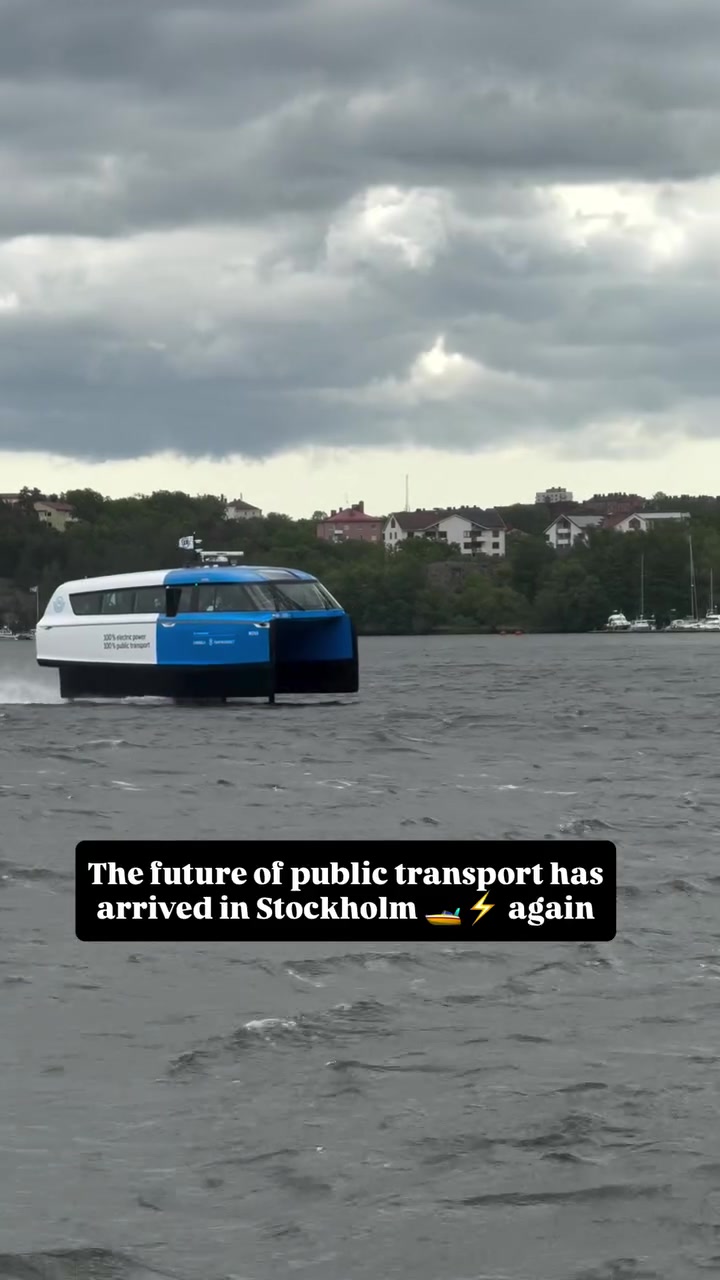
The Electric Ferry Revolution in Stockholm
The future of public transport is here and it's electric, especially in Stockholm. The Swedish capital has taken a bold step towards sustainable urban mobility by integrating electric ferries into its public transport system. This initiative is not just an environmentally friendly move; it represents a significant shift in how cities approach water-based transit.
Why This Matters
Electric ferries are more than just a trend; they are a crucial part of a sustainable future. With the global push towards reducing carbon emissions, electric transportation in urban areas plays a vital role. Stockholm's adoption of electric ferries underscores the city's commitment to cleaner air and quieter public transport. By leveraging this technology, Stockholm is paving the way for other cities to follow suit, promoting a greener and more sustainable future for all.
The Electric Ferry in Stockholm
Environmental Benefits
One of the most compelling reasons to use electric ferries is their environmental impact. Unlike diesel-powered ferries, electric ferries produce zero emissions, significantly reducing their carbon footprint. In a city like Stockholm, where waterways are a primary mode of transportation, this transition can have a substantial impact on air quality and environmental health. By eliminating exhaust fumes and noise pollution, electric ferries contribute to a more pleasant urban environment.
Technological Advancements
Electric ferries are not just about environmental benefits; they also represent a leap in technological advancements. The ferries operate on advanced battery systems that provide efficient power management. This technology ensures that the ferries can maintain their operational efficiency while minimizing energy consumption. The batteries are charged using renewable energy sources, further reducing the environmental impact.
Public Transport Integration
Electric ferries are seamlessly integrated into Stockholm's public transport system. This integration ensures that passengers can easily switch between different modes of transport, such as buses, trains, and ferries, without any disruption. The electric ferries are part of the broader SL network, which includes public transport options like this. Passengers can use the same tickets and passes for ferries as they do for other modes of transport, making it a convenient and eco-friendly choice for daily commuters.
Practical Tips for Your First Electric Ferry Ride
If you're planning to ride an electric ferry in Stockholm, here are a few tips to make your journey smooth and enjoyable:
Planning Your Route
Before you set off, plan your route using a reliable navigation app. Stockholm has an extensive public transport network, and there are several ferry routes available. Using a map or a navigation service can help you find the best stops and timings to suit your travel plans.
Charging Infrastructure
While the ferries themselves are powered by electricity, it’s worth noting that the charging infrastructure is designed to support sustainable operations. The batteries are charged using renewable energy, making the entire process eco-friendly. As a passenger, you don't need to worry about the charging process, but it's interesting to know that the infrastructure is designed with sustainability in mind.
Comfort and Amenities
Electric ferries offer a comfortable and pleasant journey. The ferries are designed with passenger comfort in mind, featuring ample seating and modern amenities. You can enjoy the scenic views of Stockholm's waterways while traveling to your destination. Many ferries also offer snack shops or comfortable seating areas, making your journey more enjoyable.
Important Takeaways
Swapping diesel for electricity is a smart move by any city. Electric ferries in Stockholm are not just a sustainable option; they represent a significant step towards a greener, cleaner future. The integration of electric ferries into the public transport system ensures convenience for passengers while promoting environmental sustainability.
The transition to electric ferries is more than just a technological advancement; it's a commitment to a cleaner, greener future. By leveraging renewable energy and advanced battery technology, Stockholm is setting a global example for other cities to follow. The electric ferry revolution in Stockholm is a testament to the city's dedication to sustainable urban mobility, making it a role model for other urban areas looking to embrace eco-friendly transportation solutions.
Conclusion
The electric ferry revolution in Stockholm marks a significant milestone in sustainable public transport. With zero emissions and a commitment to renewable energy, these ferries are setting a new standard for urban mobility. As more cities around the world look to reduce their carbon footprint, the example set by Stockholm provides a clear path forward. By embracing electric ferries, Stockholm is not just investing in a greener future; it's paving the way for a more sustainable world.
Questions readers ask
What are the primary benefits of Stockholm's electric ferries?
Stockholm's electric ferries offer multiple benefits, including zero emissions, reduced noise pollution, and improved energy efficiency. These factors contribute to a cleaner environment and a more pleasant experience for passengers and nearby residents.
How do electric ferries contribute to sustainable urban mobility?
Electric ferries in Stockholm promote sustainable urban mobility by minimizing carbon footprint and air pollution. They also support the city's broader goals of creating a more eco-friendly and less noisy public transport network.
Are electric ferries limited to Stockholm, or are they a part of a global trend?
While Stockholm is a leader in this area, the adoption of electric ferries is part of a global shift towards sustainable public transport. Other cities around the world are also exploring and implementing similar technologies to reduce their environmental impact.
What kind of technology makes electric ferries operate differently from traditional ferries?
Electric ferries operate using battery systems or hybrid technologies that eliminate the need for fossil fuels. This technology allows for quieter operations and significantly reduces greenhouse gas emissions, unlike traditional ferries that rely on diesel or other combustion engines.
How does Stockholm's integration of electric ferries set a global example?
By successfully integrating electric ferries into its public transport system, Stockholm demonstrates a practical and effective way to achieve cleaner, quieter, and more sustainable urban mobility. This serves as a model for other cities looking to modernize their public transport systems and reduce environmental impact.
Does the adoption of electric ferries in Stockholm affect passenger experience?
The shift to electric ferries enhances the passenger experience by providing a quieter and more comfortable ride. Additionally, the environmentally friendly nature of these ferries can give passengers a sense of contributing to a greener future by choosing public water transport.
What role do electric ferries play in Stockholm's efforts to reduce noise pollution?
Electric ferries are a key component in Stockholm's strategy to reduce noise pollution. By operating silently, they minimize noise disturbances, especially in densely populated urban areas, contributing to a more pleasant living and commuting environment.
Recent articles
Fresh deep dives from the latest Reels we unpacked.




Comments
Be the first to comment.