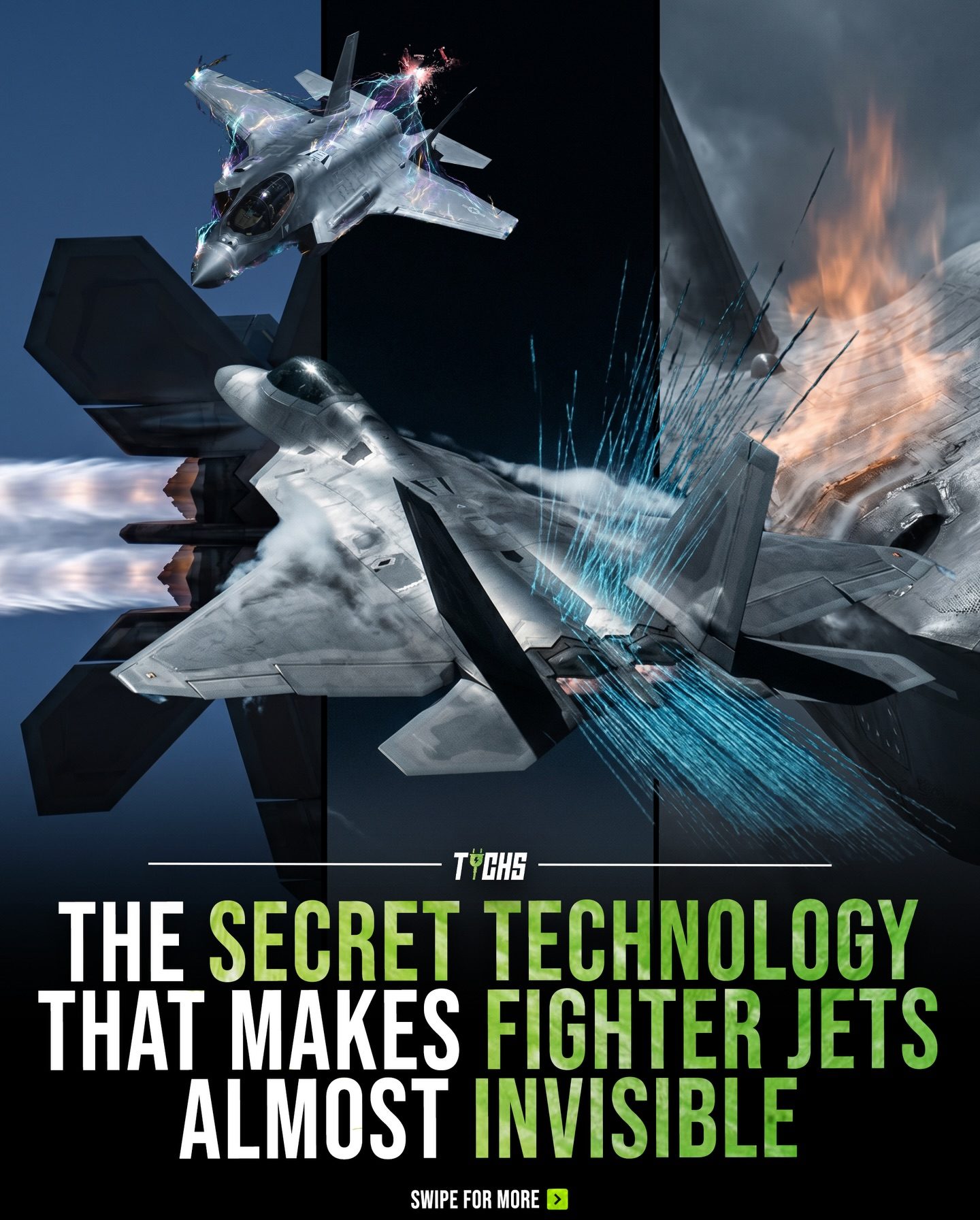
Stealth Fighter Jet Technology
Stealth fighter jets represent the pinnacle of modern military aviation, designed to evade detection in advanced combat environments. The technology behind these aircraft is a blend of cutting-edge engineering and sophisticated materials, all aimed at minimizing radar, heat, and electronic signatures.
Context / Why This Matters
In today’s fast-paced world of military technology, the ability to go undetected is more crucial than ever. Stealth fighter jets, like those produced by TCHS, are at the forefront of this technological revolution. Their design and capabilities make them nearly invisible to traditional detection methods, giving them a significant advantage in both offensive and defensive operations.
Main Discussion
Radar Signature Reduction
One of the primary ways stealth fighter jets achieve near invisibility is by reducing their radar signature. This is accomplished through a combination of carefully angled shapes and radar-absorbing coatings. These coatings are designed to turn incoming radar signals into heat, effectively making the aircraft less visible on radar screens. The carefully angled surfaces deflect radar waves away from the aircraft, further reducing its detectability.
Heat Signature Minimization
Another critical aspect of stealth technology is the minimization of heat signatures. Fighter jets produce significant heat, especially during flight and combat. To combat this, advanced engine designs are used that hide the blades and reduce infrared visibility. Cooling the exhaust gases further minimizes the heat signature, making it harder for infrared sensors to detect the aircraft.
Internal Weapons Bays
Internal weapons bays are another key feature of stealth fighter jets. Unlike traditional fighter jets, which carry weapons externally, stealth jets store their armaments internally. This keeps the aircraft's surface smooth, reducing the number of edges and angles that can reflect radar waves. The internal storage also helps in maintaining a consistent aerodynamic design, which is crucial for both stealth and performance.
Electronic Warfare Systems
In addition to physical design elements, stealth fighter jets are equipped with advanced electronic warfare (EW) systems. These systems actively confuse enemy radar, making it difficult for adversaries to detect, track, and target the aircraft. The EW systems can generate false targets, making the stealth jet appear as tiny objects like birds on radar screens, complicating the enemy's ability to react effectively.
Practical Tips
Understanding the Technology
For those interested in understanding the intricacies of stealth fighter jets, it’s essential to grasp the basics of radar and infrared technology. Knowing how these systems work can provide a better appreciation for the challenges that stealth jets must overcome. Understanding the principles behind radar-absorbing materials, infrared signature reduction, and electronic warfare can enhance one's comprehension of the technology.
Studying Aircraft Design
Another practical tip is to study the design principles of stealth fighter jets. Pay attention to the angles and shapes of the aircraft, as well as the materials used in their construction. This can provide insights into how designers achieve near invisibility and how these principles can be applied in other fields, such as aerospace engineering or materials science.
Exploring EW Systems
For those with a keen interest in electronic warfare, exploring the different types of EW systems used in stealth fighter jets can be enlightening. Understanding how these systems work and their impact on modern warfare can be valuable for anyone interested in electronic warfare and cybersecurity.
Career Paths in Military Technology
If you’re inspired by the technology behind stealth fighter jets, consider exploring career paths in military technology, aerospace engineering, or electronic warfare. These fields offer exciting opportunities to work on cutting-edge projects and contribute to the development of advanced military technology.
Important Takeaways
The Role of Advanced Engineering
The development of stealth fighter jets underscores the importance of advanced engineering in modern military technology. These aircraft are the result of years of research and development, combining multiple disciplines to achieve near invisibility.
The Importance of Stealth in Modern Warfare
Stealth technology is crucial for modern warfare, providing a significant tactical advantage in combat. The ability to avoid detection allows fighter jets to operate more effectively in hostile environments, enhancing their survivability and operational capabilities.
The Future of Stealth Technology
The technology behind stealth fighter jets continues to evolve, with advancements in materials, design, and electronic warfare. As new threats and challenges emerge, stealth technology will play an increasingly important role in military operations, driving innovation and development in the field.
Conclusion
Stealth fighter jets represent the epitome of modern military aviation, blending advanced engineering, sophisticated materials, and cutting-edge technology to achieve near invisibility. By reducing radar, heat, and electronic signatures, these aircraft gain a significant advantage in advanced combat environments. Understanding the technology behind stealth jets provides valuable insights into the future of military technology and the role of stealth in modern warfare.
Questions readers ask
How do stealth fighter jets minimize their radar signature?
Stealth fighter jets use a combination of radar-absorbing materials and unique designs to reduce their radar signature. The angled surfaces help scatter radar waves in different directions, while special coatings absorb and dissipate the energy of incoming radar signals, which makes the jet less visible to radar detection systems.
What role do internal weapons bays play in stealth technology?
Internal weapons bays are crucial for maintaining stealth because external weapons can create a significant radar reflection. By storing weapons internally, stealth fighter jets keep their radar signature low and retain their nearly invisible profile, which is essential for evading detection in combat environments.
How do stealth fighter jets reduce their heat signature?
Stealth fighter jets employ various techniques to reduce their heat signature. Some aircraft utilize advanced exhaust systems that cool and disperse the heat from their engines. Additionally, the engines themselves are designed to produce less heat and can be equipped with specialized coatings to further minimize the heat signature, making the jet less detectable by infrared sensors.
What is the purpose of angled surfaces in stealth fighter designs?
Angled surfaces, often seen in the distinctive shapes of stealth fighters, are designed to scatter and deflect radar waves away from the source. This technique, known as shaping, helps to minimize the radar reflection and makes the jet less visible to radar detection systems, which improves the jet's ability to avoid detection in combat scenarios.
How do stealth fighter jets handle electronic warfare threats?
Stealth fighter jets are equipped with advanced electronic warfare systems that can detect, identify, and counter electronic threats. These systems help the jets to evade or disrupt enemy radar and communication signals, enhancing their stealth capabilities and overall combat effectiveness. Specialized sensors and countermeasure systems are integrated to ensure the jet remains undetected and protected in hostile environments.
What are some common materials used in stealth fighter jet construction?
Stealth fighter jets are built with a variety of advanced materials that contribute to their near-invisibility. These include radar-absorbing coatings, such as iron ball paint, that can dissipate radar waves, as well as lightweight, durable composites that reduce the radar and heat signatures. These materials are specifically chosen for their ability to minimize detection and enhance the jet's stealth capabilities, giving it an edge in modern combat scenarios.
Why is the internal systems management important for stealth fighter jets?
Effective management of internal systems is vital for maintaining the stealth capabilities of a fighter jet. By ensuring that all internal systems, such as avionics and power systems, are designed to minimize electromagnetic interference (EMI) and heat generation, the jet can operate more discreetly. This internal optimization helps to maintain a low signature, keeping the jet undetected by enemy sensors and ensuring it remains a formidable asset in combat operations.
Recent articles
Fresh deep dives from the latest Reels we unpacked.




Comments
Be the first to comment.