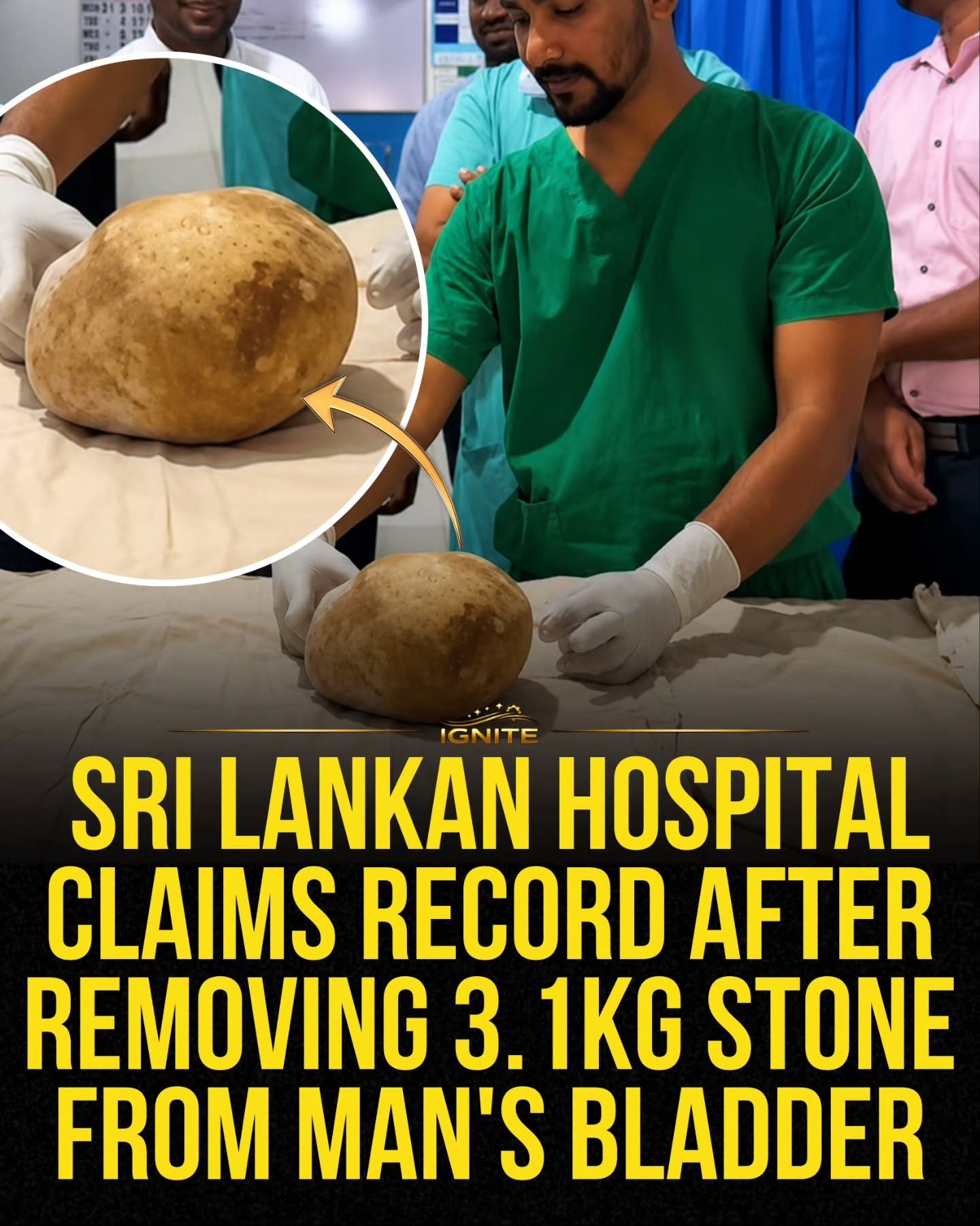
The Remarkable Removal of a 3.1kg Bladder Stone at Sri Lankan Hospital
In a groundbreaking medical feat, a team at Sri Lankan Hospital successfully removed a 3.1kg stone from a patient's bladder, setting a new record for the procedure. This achievement not only highlights the hospital's expertise but also underscores the advancements in medical technology and techniques.
Context / Why this matters
Bladder stones, also known as vesical calculi, are solid mineral masses that form in the bladder. They can cause significant discomfort, urinary tract infections, and even kidney damage if left untreated. Typically, bladder stones are much smaller, with an average size of around 3-4 grams. Removing a stone as large as 3.1kg presents a multitude of challenges, including the sheer physical size and the potential for complications.
Main discussion
Understanding Bladder Stones
Bladder stones can form due to various factors, including:
- Urinary tract infections: Infections can lead to the formation of stones.
- Chronic bladder outlet obstruction: Conditions like an enlarged prostate can cause urine to remain in the bladder, leading to stone formation.
- Foreign bodies: Objects left in the bladder, such as catheters or stitches, can act as a nidus for stone formation.
The Removal Procedure
The removal of a 3.1kg bladder stone is an extremely complex procedure. Typically, smaller bladder stones can be managed through non-invasive methods such as:
- Extracorporeal Shock Wave Lithotripsy (ESWL): This procedure uses shock waves to break up the stone into smaller pieces that can be passed naturally.
- Cystolitholapaxy: A minimally invasive procedure where a scope is inserted into the bladder to break up and remove the stone.
However, given the size of the stone in this case, a more invasive approach was likely necessary. This could have involved:
- Open Surgery: A surgical procedure where an incision is made in the lower abdomen to access and remove the stone.
- Percutaneous Cystolithotomy: A minimally invasive procedure where a small incision is made in the lower abdomen to access and remove the stone.
The Role of Medical Devices
Medical devices play a crucial role in such procedures. They include:
- Endoscopes: Used for visualization and access to the bladder.
- Lithotripsy Devices: Used to break up larger stones into smaller fragments.
- Forceps and Baskets: Used to grasp and remove stone fragments.
The Importance of a Skilled Medical Team
The success of such a procedure depends heavily on the expertise of the medical team. This includes:
- Urologists: Specialists in diseases of the urinary system.
- Anesthesiologists: Managing pain and sedation during the procedure.
- Nurses and Support Staff: Providing essential support and monitoring the patient's condition.
Post-Operative Care
Post-operative care is equally important to ensure a smooth recovery. This includes:
- Monitoring for Complications: Such as infection, bleeding, or obstruction.
- Pain Management: Ensuring the patient is comfortable.
- Follow-Up Visits: To check for any recurring issues.
Practical tips
If you or someone you know is experiencing symptoms related to bladder stones, it's important to seek medical advice promptly. Here are some practical tips to manage the situation:
- Stay Hydrated: Drinking plenty of water can help flush out smaller stones.
- Maintain a Balanced Diet: Foods rich in fiber can help prevent the formation of stones.
- Avoid Excessive Caffeine and Alcohol: These can increase the risk of stone formation.
- Regular Check-Ups: If you have a history of bladder stones, regular check-ups can help monitor your condition.
Important takeaways
The removal of a 3.1kg bladder stone at Sri Lankan Hospital is a testament to the advancements in medical technology and the expertise of the medical team. This achievement underscores the importance of regular check-ups, prompt medical intervention, and the role of medical devices in managing such complex conditions. It also highlights the need for ongoing research and development in the field of urology.
Conclusion
The successful removal of a 3.1kg bladder stone at Sri Lankan Hospital is a remarkable medical achievement. It serves as a reminder of the advancements in medical technology and the importance of regular check-ups and prompt medical intervention. As medical technology continues to evolve, we can expect to see more groundbreaking procedures in the future.
Questions readers ask
How common is a bladder stone of 3.1kg?
Bladder stones of this size are extremely rare. Typically, bladder stones are much smaller, usually around 3-4 grams. A 3.1kg bladder stone is unprecedented, making this case a unique medical phenomenon.
What challenges did the surgical team face during the 3.1kg bladder stone removal?
The sheer size of the bladder stone posed significant challenges, including limited space for surgical maneuvering and the potential for complications during the extraction. The surgical team had to employ advanced techniques to carefully remove the stone without damaging surrounding tissues.
What advancements in medical technology made this record-breaking procedure possible?
Recent advancements in surgical instruments, imaging technology, and surgical techniques enabled the successful removal of the 3.1kg bladder stone. These tools allowed for precise and minimally invasive procedures, reducing risks and enhancing the likelihood of a successful outcome.
What are the typical symptoms of bladder stones that would warrant a removal procedure?
Symptoms of bladder stones can include pain or discomfort in the lower abdomen, frequent urination, blood in the urine, and a persistent urge to urinate. If left untreated, bladder stones can cause urinary tract infections, kidney damage, and other serious health issues, necessitating a removal procedure.
What kind of team was involved in the removal of the 3.1kg bladder stone?
A multidisciplinary team, including highly skilled urologists, anesthesiologists, and supporting medical staff, was involved in the procedure. Their combined expertise and coordination were crucial for the successful removal of the exceptionally large bladder stone.
How did the Sri Lankan Hospital prepare for such a complex bladder stone removal surgery?
The hospital likely prepared for this complex surgery by reviewing similar cases, planning the surgical approach, and ensuring that all necessary advanced medical equipment was available. The team probably conducted detailed pre-operative assessments and developed a comprehensive surgical plan tailored to the unique challenges posed by the 3.1kg bladder stone.
What is the significance of this record-breaking bladder stone removal for the future of medical procedures?
The successful removal of a 3.1kg bladder stone sets a new benchmark for surgical capabilities. It demonstrates the potential of current medical technology and expertise in handling extremely complex cases, paving the way for future advancements in minimally invasive surgeries and improved patient outcomes.
Recent articles
Fresh deep dives from the latest Reels we unpacked.




Comments
Be the first to comment.