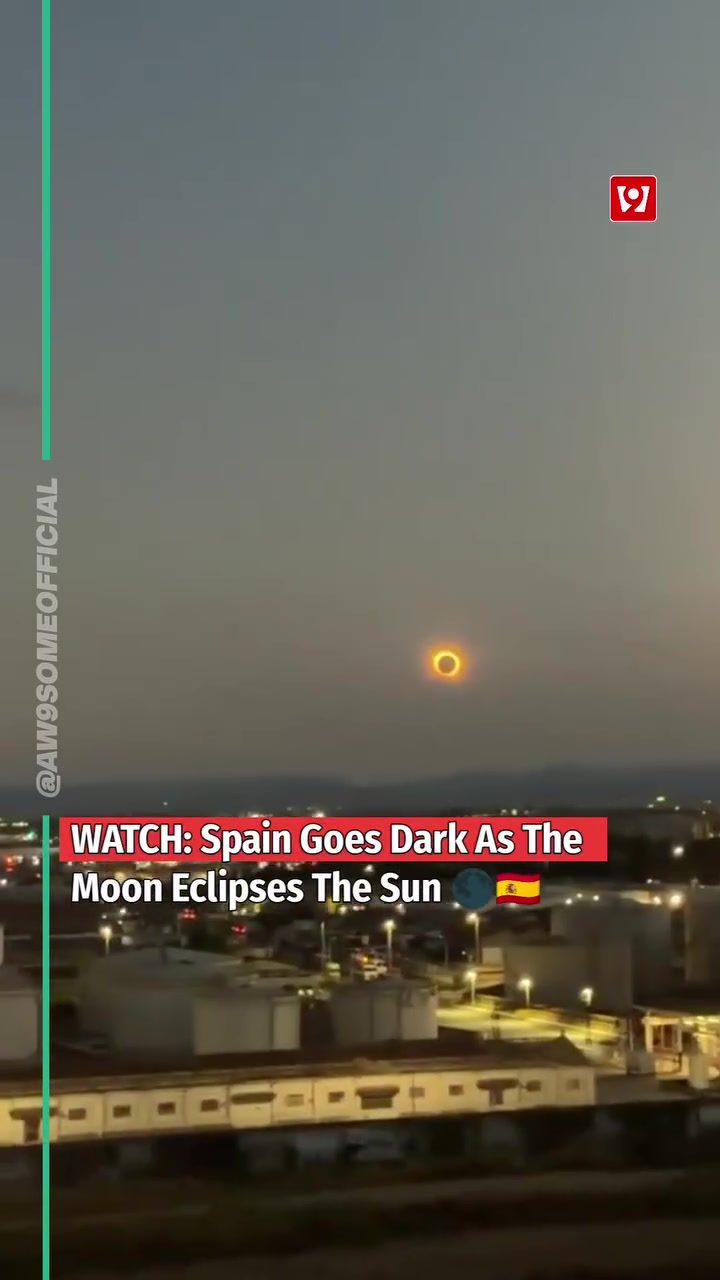
The solar eclipse of August 12, 2026, was an extraordinary celestial event that captivated viewers across Spain, particularly in the city of Tarragona. This rare total solar eclipse began as the moon gradually eclipsed the sun, gradually transforming day into night. The event reached its peak, or totality, at 8:29 p.m. local time, as the moon fully covered the sun, revealing the sun's corona in stunning detail.
Solar Eclipse in Spain – An Unforgettable Astronomy Spectacle
Context / Why this matters
The total solar eclipse of 2026 in Spain was more than just an astronomical phenomenon. It was a reminder of the incredible beauty and mystery of our universe. Viewing such an event in person can be a transformative experience, as the sudden darkness and the appearance of the sun's corona create a surreal and mesmerizing spectacle.
Main discussion
The Sequence of the Eclipse
The eclipse began with the partial phase, where the moon slowly moved in front of the sun. This gradual progression allowed for a dramatic shift in the environment, with the sky darkening as more of the sun's light was obscured. Spectators in Tarragona witnessed the moon's shadow slowly eclipsing the sun. The moment of totality was marked by a sudden darkness, where the sun's corona became visible.
The sun’s corona, the outermost part of the sun’s atmosphere is usually invisible to the naked eye. During a total solar eclipse, the inner corona appears as a bright white light, while the outer corona can look like a faint halo. This phenomenon is one of the most awe-inspiring sights in astronomy.
The Role of Location
Tarragona, Spain, was a prime location for viewing the eclipse. The city’s geography and clear skies made it an ideal spot for both amateur stargazers and professional astronomers. The totality phase lasted for a brief but unforgettable moment, providing a unique opportunity to observe the sun's corona and other celestial phenomena.
The Atmospheric Impact
During the eclipse, the sky darkened dramatically, creating an eerie and captivating atmosphere. The sudden drop in light levels can affect local wildlife, causing birds to stop singing and nocturnal creatures to emerge. This temporary transition from day to night can be both disorienting and awe-inspiring for those who witness it.
Practical tips
Safety Precautions
Viewing a solar eclipse requires special precautions to protect your eyes. Directly observing the sun, even during an eclipse, can cause permanent eye damage. It is essential to use certified solar eclipse glasses or a portable solar filter for safe viewing. Alternatively, a pinhole projector can be used to indirectly view the eclipse.
Photography Tips
Capturing the solar eclipse on camera can be a rewarding experience. Here are some tips to help you get the best shots:
- Use a Tripod: Stability is key for sharp images, especially during longer exposures.
- Solar Filters: Attach a solar filter to your camera lens to protect both your eyes and your equipment from the sun's harmful rays.
- Long Exposure: Experiment with longer exposure times to capture the sun’s corona and the darkened sky.
Capturing the Moment
Even if you don’t have specialized equipment, experiencing the eclipse through personal observation can be just as memorable. Finding a clear, open area away from city lights can enhance your viewing experience. Engaging with others, sharing the moment, or simply taking a moment of quiet reflection can deepen the experience.
Important takeaways
Why You Should Witness an Eclipse
Witnessing a total solar eclipse is a rare and powerful experience. It offers a unique perspective on the natural world and the celestial bodies that govern our skies. The dramatic shift from day to night, the appearance of the sun’s corona, and the temporary disruption of the natural order are all reminders of the vast and mysterious universe we inhabit.
The Scientific Value
For professional astronomers, solar eclipses provide an invaluable opportunity to study the sun's corona and other phenomena that are normally hidden by the sun's brightness. These events help scientists better understand solar activity and its impact on Earth.
Community and Connection
Experiencing a solar eclipse can be a communal event, bringing people together to marvel at the natural wonders of the universe. It offers a shared experience that can foster a sense of connection and awe, reminders of our place in the cosmos.
Conclusion
The total solar eclipse of August 12, 2026, in Tarragona, Spain, was a breathtaking celestial event that captivated viewers with its beauty and mystery. From the gradual darkening of the sky to the stunning appearance of the sun's corona, this eclipse offered a rare and unforgettable experience. Whether you're an astronomy enthusiast or simply curious about the wonders of the universe, witnessing a solar eclipse is an event that stays with you long after the moon moves on.
Questions readers ask
What makes the total solar eclipse in Tarragona, 2026, so special?
The total solar eclipse in Tarragona, 2026, is special because it offers the rare opportunity to witness a complete blackout of the sun in the midst of daytime. This dramatic event reveals the sun’s corona—a breathtaking halo of light around the sun, visible only during totality. The experience is enhanced by the transformation of the landscape into a surreal, otherworldly scene.
When and where can I see the total solar eclipse in 2026?
The total solar eclipse will occur on August 12, 2026, with the peak or totality happening at 8:29 p.m. local time. Tarragona, Spain, is one of the prime locations to witness this spectacular phenomenon, as it will be in the direct path of the umbra.
What exactly is the corona and why is it significant during a total solar eclipse?
The corona is the outer atmosphere of the sun, which is usually hidden by the bright light of the sun’s surface. During a total solar eclipse, the moon blocks the sun’s disk, allowing the corona to be visible. This reveals intricate details of the sun’s atmosphere, offering a unique and visually stunning celestial display.
How can I safely view the solar eclipse in Tarragona, 2026?
To safely view the solar eclipse, use certified eclipse glasses or solar filters specifically designed for this purpose. These glasses reduce the sun’s intensity to safe levels, protecting your eyes from harm. Regular sunglasses are not sufficient.
What happens during the totality phase of a solar eclipse?
During totality, the moon completely covers the sun, revealing the sun’s corona and creating a dramatic effect of sudden darkness. This phase lasts only a few minutes, during which you can witness the corona, see planets and stars in the sky, and experience a noticeable drop in temperature.
What should I expect if I visit Tarragona to see the eclipse?
If you visit Tarragona for the eclipse, expect a unique and memorable experience. The city will be host to a significant astronomical event, and while there will be a sense of excitement and wonder, be prepared for large crowds and potential travel disruptions. Secure your accommodations and viewing plans well in advance to ensure a smooth visit.
Related deep dives
Similar reads based on topic and creator.




Recent articles
Fresh deep dives from the latest Reels we unpacked.




Comments
Be the first to comment.