The Shift in Spanish Circuses: A Ban on Wild Animals
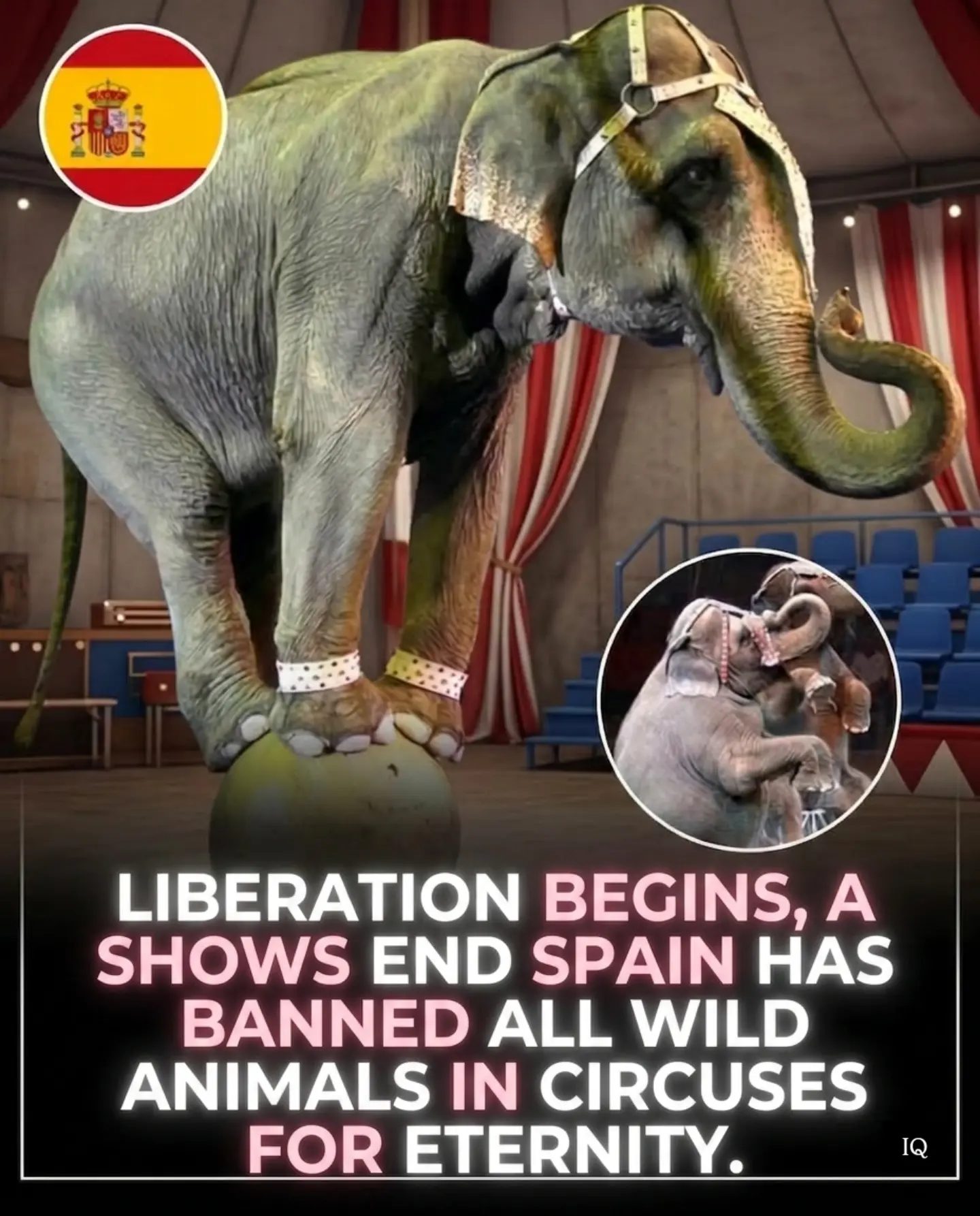
Spain has taken a monumental step towards animal welfare by officially banning the use of wild animals in circuses. This decision marks a significant turning point, not just for Spain, but for the global conversation around animal rights and ethical entertainment.
Context: Why This Matters
The ban on wild animals in circuses addresses several critical issues:
Animal Welfare Concerns
Circus animals, such as elephants, big cats, and other wild species, have long been subjected to forced tricks, confined living spaces, and constant transport. These practices often lead to stress, health issues, and a stark reduction in their natural behaviors. By banning wild animals, Spain is taking a stand against these welfare concerns and advocating for a more compassionate approach to entertainment.
Ethical Entertainment
The transition to human-only acts represents a broader shift in the entertainment industry. It signals a move towards performances that prioritize human creativity and skill, rather than the exploitation of wild animals. This shift encourages the development of innovative and ethical entertainment options that can captivate audiences without compromising animal welfare.
Main Discussion
The Impact on Circus Industry
Spain's ban on wild animals in circuses is not just a symbolic gesture; it has tangible implications for the industry. Circus operators are now tasked with reimagining their performances to exclude animal acts. While this transition may pose initial challenges, it opens new avenues for creativity and innovation.
Public and Animal Rights Groups
Public opinion and advocacy from animal rights groups have been pivotal in pushing for this ban. The widespread support for animal welfare has created a strong bargaining point for lawmakers to enact such changes. Public awareness campaigns and lobbying efforts have played a crucial role in shifting public sentiment and influencing policy decisions.
Historical Context
Spain's ban follows a growing trend among European countries that have enacted similar legislation. For example, countries like Bolivia, Greece, and Mexico have already implemented bans on the use of wild animals in circuses. This international movement highlights a global shift towards compassion and ethical treatment of animals.
Future Implications
The long-term impact of this ban could extend beyond Spain's borders, inspiring other countries to follow suit. As more nations adopt similar policies, the pressure on circus industries worldwide to reevaluate their practices will intensify. This could lead to a more ethical and humane approach to entertainment on a global scale.
How Spain Plans to Enforce the Ban
The Spanish government has outlined a plan to enforce the ban, including strict penalties for violations. Circus operators must adhere to the new regulations, ensuring a smooth transition to animal-free entertainment. The government is also working on educational programs to help circus performers adapt to the new standards and find alternative ways to entertain audiences.
Practical Tips
For anyone looking to support this movement or understand its implications, here are some practical tips:
Supporting Alternative Entertainment
Seek out and support circuses and entertainment venues that offer human-only acts. This can include acrobats, jugglers, magicians, and other performers who showcase human skill and creativity.
Advocating for Change
Engage with local and national animal rights organizations. By supporting their advocacy efforts, you can contribute to the broader movement for animal welfare and ethical entertainment. Participate in public consultations, sign petitions, and spread awareness through social media and community events.
Important Takeaways
- Spain's ban on wild animals in circuses is a significant step towards improving animal welfare and promoting ethical entertainment.
- The transition to human-only acts opens new avenues for creativity and innovation in the entertainment industry.
- Public support and advocacy from animal rights groups have been crucial in driving this change.
- The ban is part of a broader global movement towards compassionate treatment of animals in entertainment.
- Enforcement plans and educational programs are in place to ensure a smooth transition for circus operators.
Conclusion
The decision by Spain to ban wild animals in circuses is a landmark victory for animal welfare advocates worldwide. It represents a major shift towards compassionate and ethical entertainment, marking the beginning of a new era in the circus industry. As more countries follow Spain's lead, the future of entertainment looks brighter and more humane.
Questions readers ask
What types of animals are included in Spain's circus ban?
Spain's circus ban specifically targets wild animals, including elephants, big cats like lions and tigers, bears, and other exotic species. Domestic animals, such as horses and dogs, are not included in the ban, but the ban will not cover these domesticated animals.
Why did Spain decide to ban wild animals from circuses?
Spain's decision to ban wild animals from circuses is primarily driven by animal welfare concerns. Wild animals in circuses often face stress, health issues, and an inability to express natural behaviors due to confinement, constant travel, and forced performances.
What does this ban mean for the future of circuses in Spain?
The ban encourages the development of innovative and ethical entertainment options. Traditional circuses will need to adapt by focusing on human performances, such as acrobatics, comedy, and magic. This shift promotes human creativity and the development of new, compassionate entertainment concepts.
How does Spain's ban on wild animals in circuses impact global animal rights conversations?
Spain's nationwide ban sets a strong precedent for other countries considering similar legislation. It contributes to the global movement towards better animal welfare and ethical entertainment, encouraging other nations to reassess and improve their own animal welfare laws.
What happens to the wild animals currently in Spanish circuses?
The ban includes provisions for the welfare of animals currently in circuses. Circuses will need to find suitable alternative homes for these animals, such as sanctuaries and wildlife reserves, where they can live out their lives in more appropriate environments.
Are there any exceptions to Spain's circus ban on wild animals?
Spain's ban is comprehensive and does not include exceptions for specific circuses or types of performances. However, the law will not cover domestic animals, such as horses and dogs, used in circuses. All wild animals are included in this ban.
What are some ethical entertainment options that circuses can explore?
Ethical circus performances can include a wide range of human-centered acts, such as acrobatics, aerial silks, comedy, and magic shows. Additionally, circuses can incorporate performances that feature trained domestic animals, such as dogs and horses, that are free from the scrutiny that wild animals receive and are treated according to current animal welfare standards.
Recent articles
Fresh deep dives from the latest Reels we unpacked.




Comments
Be the first to comment.