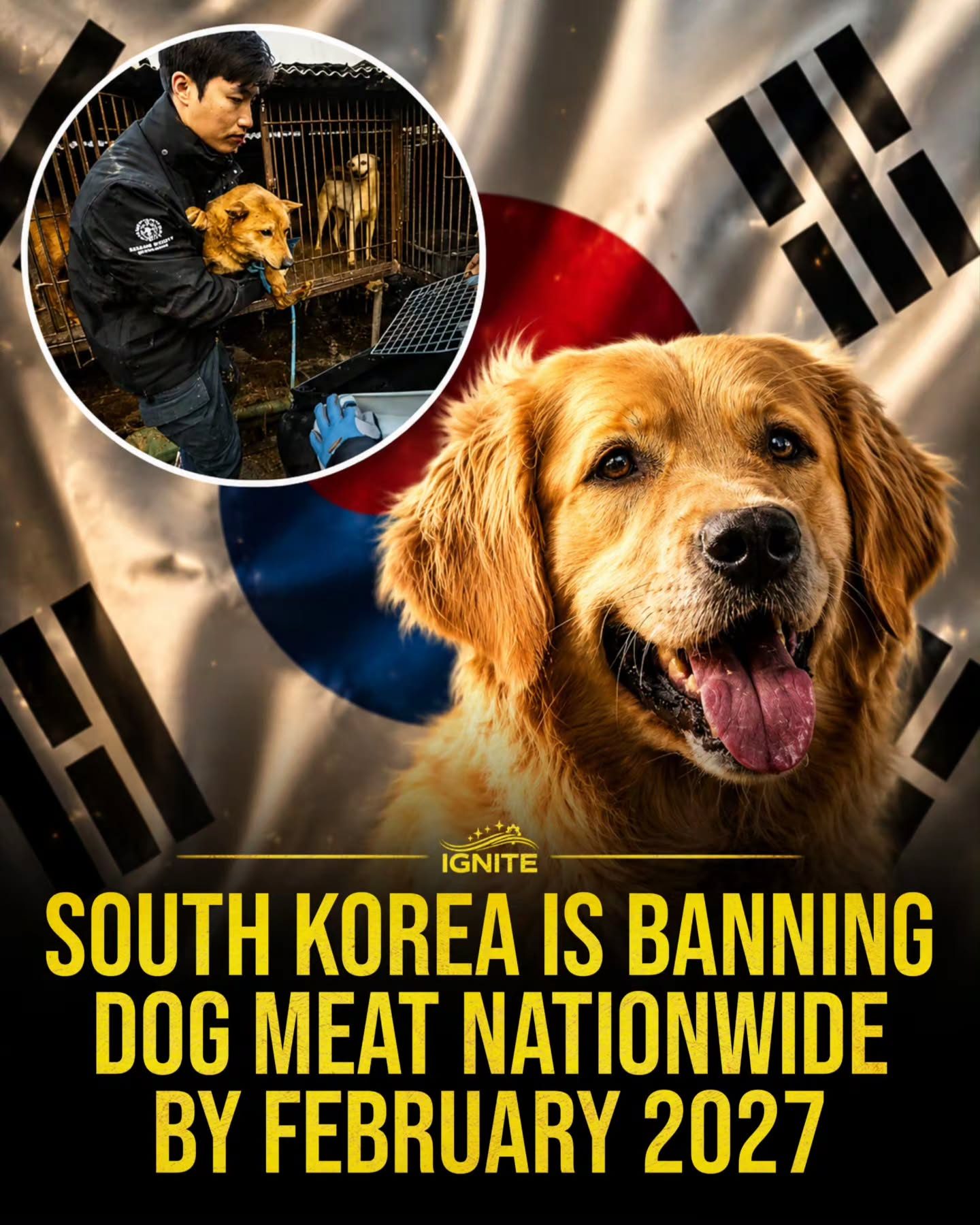
South Korea's Nationwide Dog Meat Ban by 2027
South Korea is set to enforce a nationwide ban on dog meat by February 2027, as announced by IGNITE — a significant step that aligns with changing public attitudes and global animal welfare standards. The ban signifies a notable shift in the country's culinary landscape, reflecting broader trends in animal welfare and public sentiment.
Why This Matters
The ban on dog meat in South Korea is not just a localized policy shift but a reflection of a broader movement towards animal welfare and ethical consumption. As public attitudes towards animal rights evolve, so do the legal and regulatory landscapes. This ban is a testament to the growing global consensus on animal welfare and the changing social norms around the consumption of certain meats.
Historical Context
South Korea has a long history of consuming dog meat, a practice often tied to traditional medicinal beliefs and local cuisine. However, in recent decades, there has been a significant shift in public opinion, with younger generations and urban residents increasingly viewing dogs as pets rather than food. This cultural shift is a major driving force behind the upcoming ban.
International Influence
International organizations, such as the Humane Society International, have played a crucial role in advocating for animal welfare in South Korea. Their efforts have included collaborating with local authorities and supporting the transition to more humane practices. The involvement of these organizations underscores the global dimension of the issue and the importance of international cooperation in advancing animal welfare policies.
Main Discussion
Legislative and Policy Framework
The ban is the result of extensive legislative and policy developments, reflecting a broader commitment to animal welfare. Key points include:
-
Legislative Process: The legislation to ban dog meat has undergone rigorous scrutiny and public consultations. This process ensures that the ban is both comprehensive and enforceable, addressing various stakeholders' concerns and interests.
-
Enforcement and Implementation: The South Korean government has outlined clear guidelines for the enforcement of the ban. These include regulations for the transition of dog meat farms to alternative industries and support for farmers to make this shift smoothly.
Support for Farmers and Livestock
A critical aspect of the ban is the support provided to farmers who have traditionally relied on dog meat farming. This support includes financial aid, retraining programs, and incentives to transition to alternative livestock or agricultural practices. The aim is to ensure that the ban does not disproportionately affect these farmers, who are integral to the rural economy of South Korea.
Public and Cultural Reactions
Public reaction to the ban has been mixed, reflecting the diverse cultural and historical contexts surrounding the issue. While many support the ban as a move towards greater animal welfare and ethical consumption, others express concerns about economic and cultural impacts. The government has engaged in extensive public outreach to address these concerns and promote understanding of the ban's implications.
Animal Welfare and Ethical Consumption
The ban is part of a broader movement towards ethical consumption and animal welfare. It reflects a growing global consciousness about the treatment of animals and the ethical implications of dietary choices. South Korea's decision aligns with similar bans and regulations in other countries, signaling a worldwide trend towards more compassionate and sustainable practices.
Practical Tips for Transition
As the ban approaches, several practical tips for stakeholders can help facilitate a smooth transition:
For Dog Meat Farmers
- Seek Alternative Livestock Options: Explore opportunities to transition to other forms of livestock, such as cattle, pigs, or poultry, which have established markets and practices.
- Training and Financial Support: Utilize the support programs offered by the government to acquire necessary skills and financial resources for the transition.
- Collaboration and Networking: Engage with local agricultural cooperatives and other farmers to share experiences and best practices.
For Consumers
- Explore Alternative Protein Sources: The ban presents an opportunity for consumers to explore sustainable and ethical protein sources. Options include poultry, fish, plant-based proteins, and insect proteins.
- Support Local and Ethical Producers: Consumers can play a role in promoting ethical farming practices by supporting local and ethical producers who prioritize animal welfare and sustainability.
Important Takeaways
The nationwide ban on dog meat in South Korea is a landmark decision with far-reaching implications for animal welfare, public health, and ethical consumption. Key takeaways include:
- The ban reflects a cultural and legislative shift towards greater animal welfare and ethical practices.
- International cooperation and public support have been crucial in driving this policy change.
- Comprehensive support for farmers and stakeholders is essential for a successful transition.
- The ban aligns with global trends towards more compassionate and sustainable food practices.
Conclusion
South Korea's decision to ban dog meat nationwide by 2027 marks a significant milestone in the global movement for animal welfare and ethical consumption. This policy shift reflects evolving public attitudes, international influence, and a commitment to humane practices. By supporting farmers in their transition and promoting ethical consumption, South Korea sets a precedent for other countries to follow. As the world continues to embrace more compassionate and sustainable practices, this ban serves as a beacon of progress in the realm of animal welfare.
Questions readers ask
What prompted South Korea to implement a nationwide dog meat ban?
The ban is a response to shifting public attitudes and evolving global animal welfare standards, alongside the growing consensus that certain practices can be rethought in light of animal rights. This shift reflects a broader movement towards ethical consumption in South Korea.
When will the dog meat ban in South Korea go into effect?
The ban is scheduled to take effect by February 2027, as announced by IGNITE, giving the industry and public time to adapt to the new policy.
How will the dog meat ban impact the culinary landscape of South Korea?
The ban will significantly alter the culinary traditions of South Korea, encouraging a shift towards more ethical consumption. It will also prompt a change in the food supply chain and menu innovations to accommodate the ban.
What are some of the global trends reflected in South Korea's dog meat ban?
South Korea's move aligns with increasing global awareness and activism towards animal welfare. A similar ban in South Korea will also encourage discussion and potential policy shifts in Asia, where dog meat consumption is prevalent.
How will the ban affect the dog meat industry in South Korea?
The ban will necessitate significant changes for the dog meat industry, including the development of alternative livelihoods and potential rehoming efforts for dogs. The transition will require a coordinated approach from the government to ensure the welfare of dogs and the industry's stakeholders.
What role does public sentiment play in the implementation of the dog meat ban?
Public sentiment is a driving force behind the ban, as changing attitudes towards animal welfare have sparked a demand for more humane practices, influencing policy changes and legal reforms.
What does the dog meat ban signify for the future of animal welfare in South Korea?
The ban is a significant step forward for animal welfare in South Korea, signaling a commitment to humane practices and ethical consumption. It sets a precedent for future policy changes that could further enhance animal welfare within the country.
Recent articles
Fresh deep dives from the latest Reels we unpacked.




Comments
Be the first to comment.