Ocean Water Purification
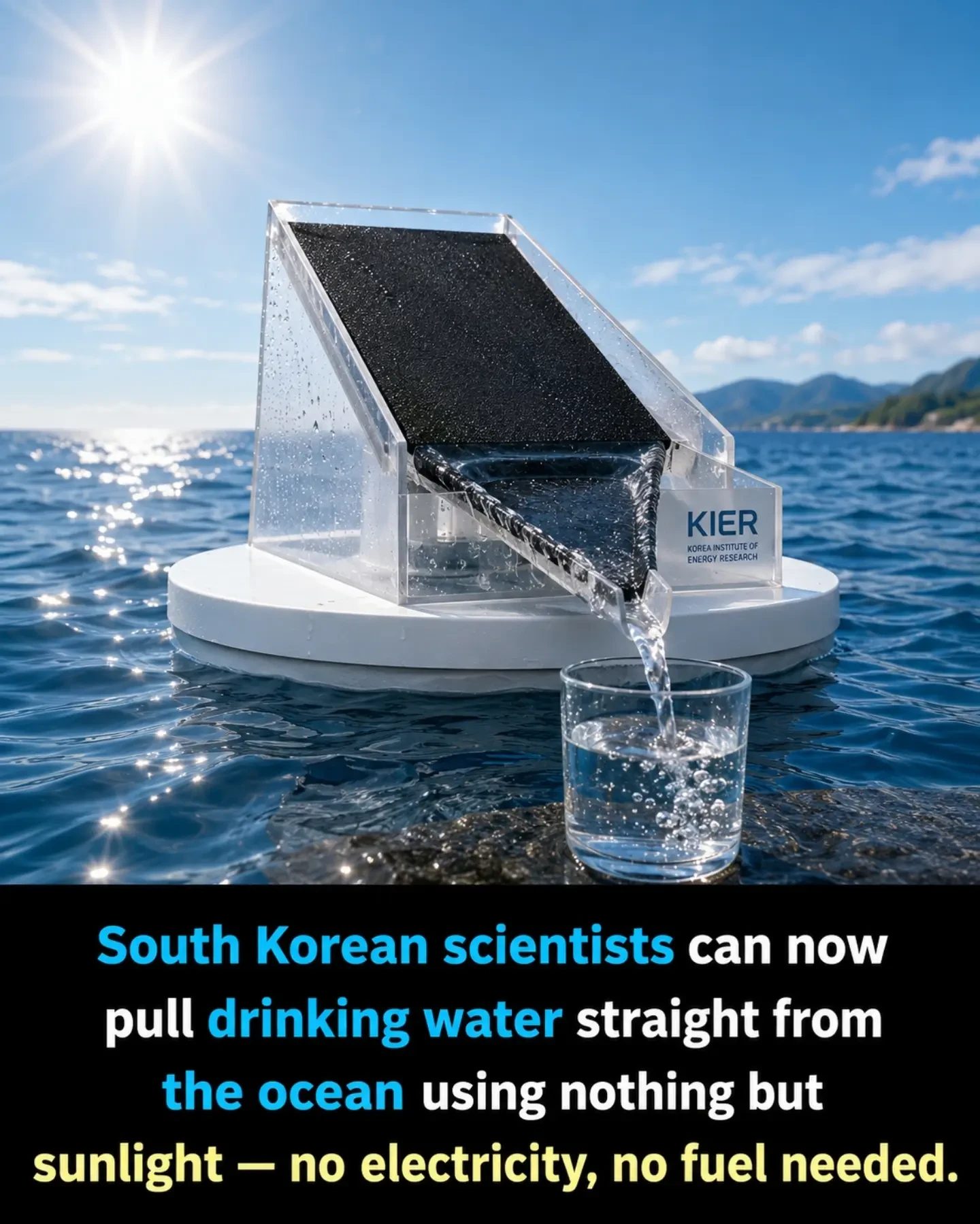
South Korean scientists have developed a groundbreaking water purification device that harnesses the power of sunlight to convert seawater into drinkable water. This innovation, spearheaded by the Korea Institute of Energy Research (KIER), holds significant promise for addressing global water scarcity issues.
Why This Matters
Clean water is essential for life, and with freshwater resources becoming increasingly scarce, finding sustainable methods to purify seawater is crucial. Traditional desalination methods often rely on electricity or fuel, which can be costly and environmentally damaging. The KIER device, on the other hand, operates solely on solar energy, making it a more sustainable and accessible solution.
The KIER Water Purification Device
Harnessing Solar Energy
The KIER device is designed to float on the ocean, making it an ideal solution for coastal communities. It uses sunlight to drive the purification process, eliminating the need for electricity or fuel. This makes it a cost-effective and environmentally friendly option. The device works by using solar energy to power a desalination process that removes salt and impurities from seawater, resulting in clean, drinkable water.
How It Works
The purification process involves several key steps. First, the device collects seawater and exposes it to sunlight. The solar energy heats the water, which then undergoes a process of evaporation and condensation. This process separates the water from the salt and other contaminants, leaving behind pure, drinkable water. The device is equipped with a system that collects the purified water and stores it for use.
Benefits of the KIER Device
There are several benefits to using the KIER water purification device:
- Sustainability: By relying solely on solar energy, the device has a minimal environmental impact.
- Cost-Effectiveness: Eliminating the need for electricity or fuel reduces operational costs, making it a more affordable solution.
- Accessibility: The device's design makes it suitable for use in coastal communities, providing a reliable source of clean water where it is needed most.
Practical Tips for Using the Device
While the KIER device is designed to be user-friendly, there are a few practical tips to keep in mind:
- Positioning: Ensure the device is positioned in an area with maximum sunlight exposure to optimize its performance. This could be a clear, open area on the ocean.
- Maintenance: Regularly clean the solar panels and other components to ensure they remain free of debris and operate efficiently.
- Storage: Properly store the purified water to maintain its quality and prevent contamination.
Maintenance and Upkeep
To ensure the device's longevity and effectiveness, regular maintenance is essential. This includes cleaning the solar panels to ensure maximum sunlight exposure and checking the purification system for any signs of wear or damage. Proper upkeep will help extend the device's lifespan and ensure it continues to provide clean water reliably.
Optimal Conditions
The device operates best in areas with consistent sunlight. In regions with variable weather conditions, it may be necessary to supplement the device with additional water sources during periods of low sunlight. Additionally, positioning the device in calm waters can help prevent damage and ensure more efficient operation.
Important Takeaways
The KIER water purification device represents a significant advancement in the field of environmental technology. By harnessing the power of sunlight, it offers a sustainable and cost-effective solution to the global water crisis. This innovation has the potential to revolutionize how we access clean water, particularly in coastal and remote communities.
Conclusion
The KIER water purification device is a game-changer in the quest for sustainable water solutions. Its reliance on solar energy makes it a cost-effective and environmentally friendly option, while its design ensures it can be used in various settings. By embracing this technology, we can take a significant step toward addressing the global water crisis and providing clean, drinkable water to communities in need.
Questions readers ask
How does the KIER water purification device work?
The KIER device uses sunlight to power the purification process. It harnesses solar energy to evaporate seawater, leaving behind salt and other impurities, and then condenses the vapor back into clean, drinkable water.
What makes this Korean water innovation different from traditional desalination methods?
Unlike traditional desalination methods that rely on electricity or fuel, the KIER device operates solely on solar power. This makes it more eco-friendly and cost-effective, as it doesn't require additional energy sources or produce harmful emissions.
Can this technology be used anywhere?
The KIER device is designed to float, making it suitable for use in various locations, including coastal areas and even remote islands. As long as there is access to seawater and sunlight, this technology can be utilized to produce drinking water.
How does this technology address global water scarcity?
By providing a sustainable and accessible way to convert seawater into drinkable water, this technology can help alleviate the strain on freshwater resources. It offers a practical solution for regions facing water shortages, particularly those with limited access to electricity or fuel.
Is the water produced by this device safe to drink?
Yes, the water produced by the KIER device is safe to drink. The purification process effectively removes salt and other impurities, ensuring the water meets drinking standards.
What are the benefits of using solar water desalination?
Solar water desalination offers several benefits, including reduced environmental impact, lower operating costs, and increased accessibility. It provides a sustainable solution for water purification, especially in areas where traditional desalination methods may not be feasible.
Related deep dives
Similar reads based on topic and creator.



Recent articles
Fresh deep dives from the latest Reels we unpacked.



Comments
Be the first to comment.