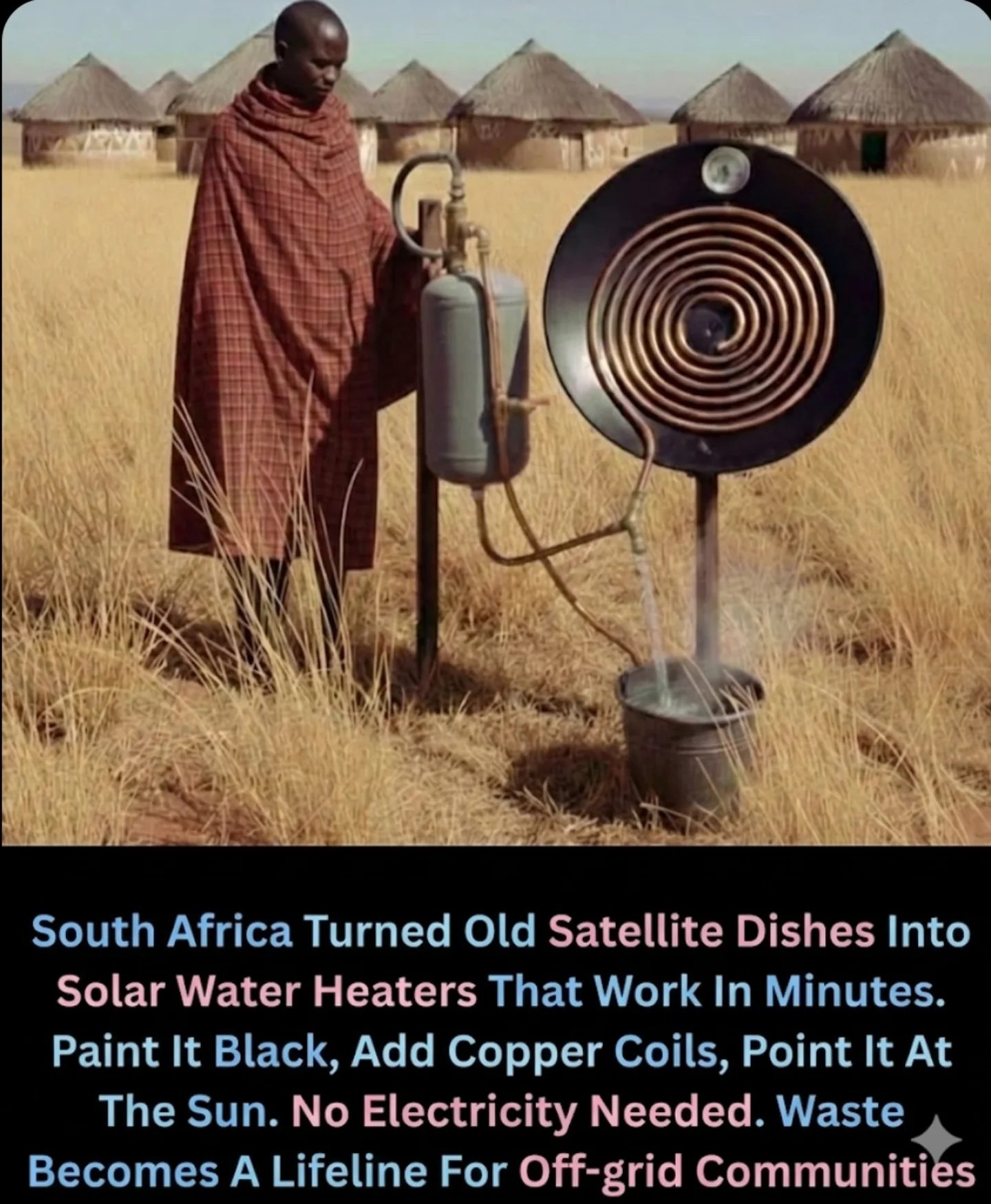
Solar Concentrators: A Lifeline for Off-Grid Communities
Solar concentrators are an innovative and sustainable solution for heating water in off-grid communities. This technology, known as a solar concentrator, leverages repurposed satellite dishes to create an effective and eco-friendly water heating system. Here’s how it works and why it matters.
Why This Matters
In off-grid communities, access to clean, hot water can be a significant challenge. Traditional methods of heating water, such as using electricity, gas, or wood, can be cost-prohibitive and environmentally damaging. Solar concentrators offer a sustainable and cost-effective alternative. These devices are not only environmentally friendly but also help in purifying water and reducing waste.
How Solar Concentrators Work
The Parabolic Dish
The heart of a solar concentrator is a parabolic dish, originally designed as a satellite dish. This dish is parabolic, meaning it has a curved surface that can focus sunlight to a single point, known as the focal point. To enhance its reflective properties, the dish is often covered with mirrors or reflective foil. This covering reflects all the sunlight to the focal point, where the temperature can rise dramatically.
Harnessing the Heat
At the focal point, the concentrated sunlight can heat objects and liquids to extremely high temperatures. This intense heat can be used to boil water, melt metal, or perform other high-temperature tasks. This makes the dish a highly efficient heat concentrator.
The Copper Coils
The effectiveness of a solar concentrator is further enhanced by the use of copper coils. Copper is an excellent conductor of heat, making it ideal for heating water. The copper coils are painted black to absorb the maximum amount of solar energy. When the coils are placed at the focal point, water running through them rapidly absorbs the concentrated heat, making the process highly efficient.
Practical Tips
Choosing the Right Dish
To maximize the effectiveness of your solar concentrator, choose a satellite dish with a large surface area. Larger dishes can capture more sunlight and generate more heat. Additionally, the dish should be in good condition with minimal dents or warping, as these can affect its reflective properties.
Covering the Dish
Covering the dish with reflective materials like mirrors or foil is crucial. These materials help to reflect sunlight to the focal point, increasing the concentrated heat. Ensure the covering is securely fastened and free from blemishes or scratches.
Positioning the Coils
The copper coils should be placed precisely at the focal point of the dish. This ensures they receive the maximum amount of concentrated heat. The coils should be securely attached to prevent movement or dislocation, which can reduce efficiency.
Ensuring Proper Flow
Ensure that the water flow through the coils is consistent and at the correct pressure. This will help in efficient heat transfer. Regularly check the coils for any blockages or leaks, as these can affect performance.
Regular Maintenance
Regular cleaning and maintenance of the reflective covering and the coils are essential. Dust, dirt, and other debris can reduce the efficiency of the solar concentrator. Regularly inspect the dish, mirrors, and coils for any signs of wear and tear, and clean them as needed.
Practical Tips
Positioning the Solar Concentrator
To get the most out of your solar concentrator, it's essential to position it correctly. Ensure the dish faces the sun directly for maximum sunlight absorption. This can be achieved by adjusting the angle of the dish to track the sun's movement throughout the day. In many cases, a simple mechanical tracker can be used to keep the dish aligned with the sun.
Maximizing Efficiency
Efficiency can be maximized by ensuring that the reflective surface is clean and free of debris. This will help in capturing as much sunlight as possible. Regular maintenance, including cleaning, is essential for maintaining optimal performance.
Important Takeaways
Environmental Benefits
One of the most significant benefits of using a solar concentrator is its environmental impact. By utilizing solar energy, these devices reduce the reliance on fossil fuels and other non-renewable energy sources. This makes them an eco-friendly solution for off-grid communities.
Economic Advantages
Solar concentrators offer economic benefits as well. By eliminating the need for electricity, gas, or wood, they can save users a significant amount of money. This makes them a cost-effective solution for heating water, especially in areas where traditional energy sources are expensive or unavailable.
DIY and Waste Management
Another notable advantage is the DIY aspect. Repurposing old satellite dishes and other waste materials to create these devices not only keeps them out of landfills but also turns them into a valuable resource. This upcycling of waste is a significant benefit for communities that struggle with waste management.
Conclusion
Solar concentrators are a practical, sustainable, and cost-effective solution for heating water in off-grid communities. This technology leverages the power of the sun to provide hot water, purify water, and reduce waste. By understanding how these devices work and following the practical tips outlined, you can harness the power of the sun to improve your daily life and contribute to a more sustainable future.
Questions readers ask
What are the main benefits of using solar concentrators for water heating in off-grid communities?
Solar concentrators provide several key benefits, including cost savings, reduced environmental impact, and improved access to clean, hot water. They help communities transition from traditional, often harmful, water heating methods to a more sustainable, waste-to-energy solution.
How does a DIY solar water heater using a repurposed satellite dish function?
A DIY solar water heater using a repurposed satellite dish functions by concentrating sunlight onto black metal coils. The dish focuses the sun's rays, heating the coils efficiently. This heated coil then transfers the heat to the water, providing a sustainable, off-grid water heating method.
Why are solar concentrators a suitable solution for off-grid water heating in South Africa?
South Africa's abundance of sunlight makes solar concentrators an ideal solution for off-grid communities. These devices leverage the power of concentrated solar power to heat water, making them a reliable and accessible solution for areas without traditional power sources.
Can solar water heaters made from repurposed satellite dishes be used in other countries?
Yes, the concept of repurposing satellite dishes into solar concentrators can be adapted to other countries, particularly those with similar off-grid challenges and ample sunlight. The technology is versatile and can be tailored to various environments and community needs.
What role do black metal coils play in solar water heating systems?
Black metal coils are crucial in solar water heating systems as they efficiently absorb and transfer heat from the sun. When sunlight is concentrated onto these coils, they heat up quickly and effectively, making them an essential component in converting solar energy into thermal energy for water heating.
How do solar concentrators contribute to waste reduction in off-grid communities?
Solar concentrators contribute to waste reduction by repurposing old satellite dishes, transforming them into functional solar water heating systems. This waste-to-energy approach not only reduces environmental waste but also provides an additional source of energy, making it a sustainable and cost-effective solution.
What are the advantages of concentrated solar power over other off-grid water heating methods?
Concentrated solar power offers focused heating, making it more efficient than other off-grid water heating methods. This technology reduces water heating time and cost, making it a more accessible and cost-effective solution. Additionally, it is eco-friendly, minimizing environmental impact.
Recent articles
Fresh deep dives from the latest Reels we unpacked.




Comments
Be the first to comment.