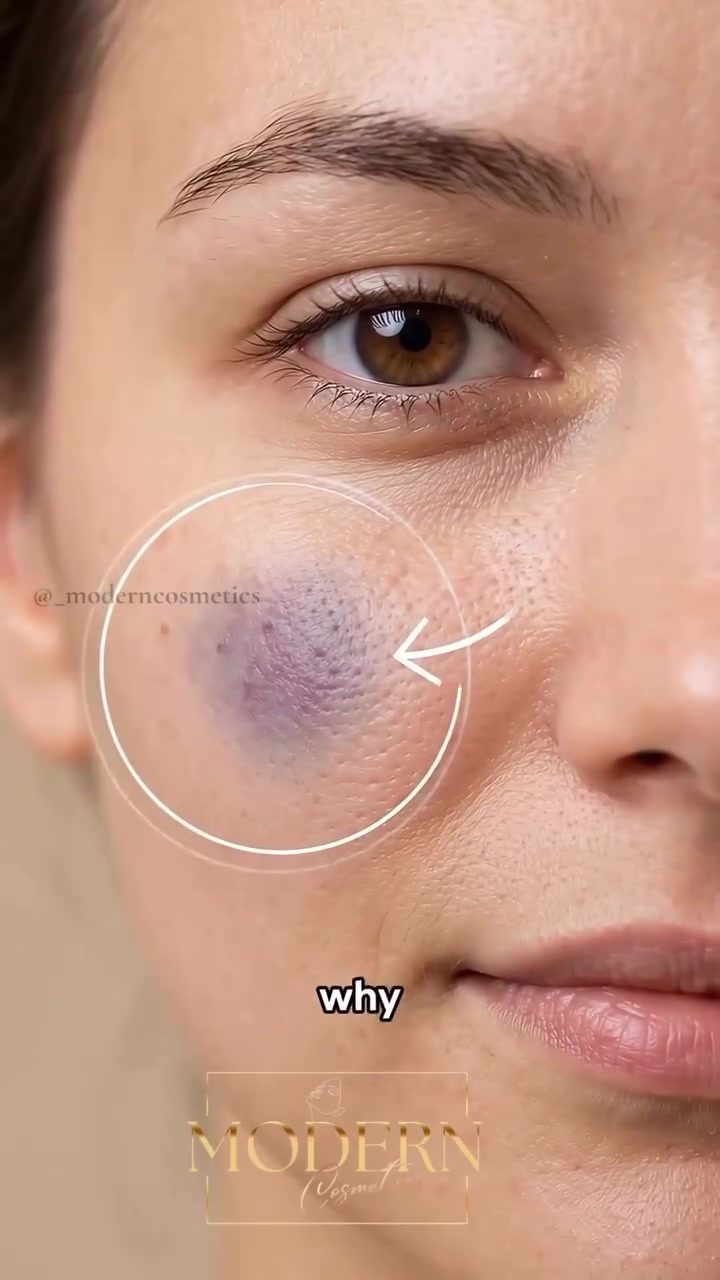
Bruising After Cosmetic Treatments
Bruising after cosmetic treatments is a common concern. It largely depends on the body's natural response to minor injuries, such as those caused by needles during treatments. Understanding the process can help manage expectations and alleviate worries.
Why This Matters
Cosmetic procedures often involve needles or other tools that penetrate the skin. This can affect tiny blood vessels called capillaries just beneath the surface, leading to bruising.
Understanding Bruising
The Role of Blood Vessels
Blood vessels, particularly capillaries, are delicate and sit just beneath the skin's surface. When a cosmetic treatment involves a needle, there's a chance that one of these small vessels could be affected.
When this happens, a small amount of blood can leak into the surrounding tissue, forming a bruise. This is a natural response and part of the body's healing process.
Individual Variations in Bruising
Not everyone bruises in the same way or to the same extent. Several factors influence how easily a person bruises, including:
- Anatomy and Skin Type: Some people have more delicate or thin skin, which can make them more prone to bruising.
- Medications and Supplements: Certain medications, like blood thinners, and some supplements can increase the likelihood of bruising.
- Healing Response: Everyone's body heals at a different pace. Some people may bruise more easily due to their body's natural healing response.
Bruising is generally part of the body's normal healing process. As the body works to repair the affected area, it reabsorbs the leaked blood, and the bruise gradually fades. Understanding this process can help explain why every person's healing journey is different.
Concealer Application for Covering Dark Circles
The Role of Concealer
Concealer is a popular beauty product designed to cover imperfections, including dark circles under the eyes. Modern Cosmetics offers a concealer that effectively covers these issues.
Application Techniques
When applying concealer, especially for under-eye circles, it's crucial to follow a few steps:
- Choose the Right Shade: Select a concealer that matches your skin tone or is slightly lighter to brighten the area.
- Apply in Triangle Shapes: Apply the concealer in a triangle shape beneath the eyes, with the base of the triangle along the cheekbone and the point near the inner corner of the eye.
- Blend Well: Use a small brush or your fingers to gently blend the concealer into the skin, ensuring there are no harsh lines or visible edges.
- Set with Powder: Lightly dust a translucent powder over the concealer to set it and prevent creasing.
Benefits of Using Concealer
Concealer can:
- Cover Dark Circles: Effectively hide dark circles and reduce the appearance of tiredness.
- Even Out Skin Tone: Conceal blemishes, scars, and other imperfections, creating a smoother, more uniform complexion.
- Enhance Makeup Application: Provide a base for other makeup products, helping them go on more smoothly and last longer.
Practical Tips
Before Your Cosmetic Treatment
- Avoid Blood Thinners: If possible, discontinue the use of blood thinners or consult your doctor about adjusting your medication.
- Stay Hydrated: Drink plenty of water to support your body's natural healing processes.
- Follow Pre-Treatment Instructions: Your practitioner will provide specific guidelines to follow before the treatment, which may include avoiding certain foods or activities.
After Your Cosmetic Treatment
- Apply Ice: Immediately after the treatment, apply an ice pack to the area to help constrict blood vessels and reduce swelling.
- Avoid Alcohol: Alcohol can thin the blood, making bruising more likely and more severe.
- Stay Upright: Keep your head elevated to reduce blood flow to the treatment area.
- Use Concealer: If bruising occurs, use concealer to cover it temporarily while your body heals.
Important Takeaways
- Bruising is a natural part of the body's healing process after cosmetic treatments.
- Individual factors like anatomy, skin type, medications, and healing response can influence bruising.
- Concealer can be an effective tool for covering bruises and other imperfections.
Conclusion
Understanding the natural processes behind bruising and how to manage it can significantly enhance your experience with cosmetic treatments. Utilizing products like concealer from Modern Cosmetics and following practical tips can help you navigate the healing process with confidence.
Questions readers ask
Why do some people bruise more easily after cosmetic treatments?
Some people may bruise more easily due to thinner skin, increased sensitivity, or a slower healing response. Medications, such as blood thinners, can also make a person more prone to bruising after cosmetic treatments, as they can affect blood clotting.
How long does it typically take for cosmetic bruises to heal?
The healing process for cosmetic bruises varies, but small ones usually fade within 2 to 3 weeks. Larger bruises may take up to 4 weeks, depending on the individual's healing response and the extent of the bruising.
Can certain cosmetic treatments cause more bruising than others?
Yes, treatments that involve deeper penetration or more extensive needle work, such as certain types of fillers or microneedling, may result in more bruising. Shallow treatments, like superficial chemical peels, typically have less risk.
What can be done to minimize bruising after a cosmetic treatment?
To minimize bruising, avoid blood-thinning medications and supplements, like aspirin and fish oil, before the treatment. Applying ice to the area and keeping the head elevated can help reduce swelling and bruising.
Is it normal to have small bruises after cosmetic treatments?
Yes, it is common to have small bruises after cosmetic treatments, especially those that involve needles or other tools that penetrate the skin. These bruises are typically a result of minor injuries to capillaries beneath the skin's surface.
Should I be concerned if I experience bruising after a cosmetic treatment?
Bruising after cosmetic treatments is usually nothing to worry about, as it is a normal part of the healing process. However, if you experience severe or persistent bruising, or if the bruise is accompanied by pain, swelling, or discomfort, consult a healthcare professional to rule out any complications.
How do cosmetic bruises form underneath the skin?
Cosmetic bruises form when tiny blood vessels called capillaries, which are located just beneath the skin's surface, are affected by the treatment. This causes blood to leak into the surrounding tissue, resulting in the characteristic discoloration of a bruise.
Recent articles
Fresh deep dives from the latest Reels we unpacked.




Comments
Be the first to comment.