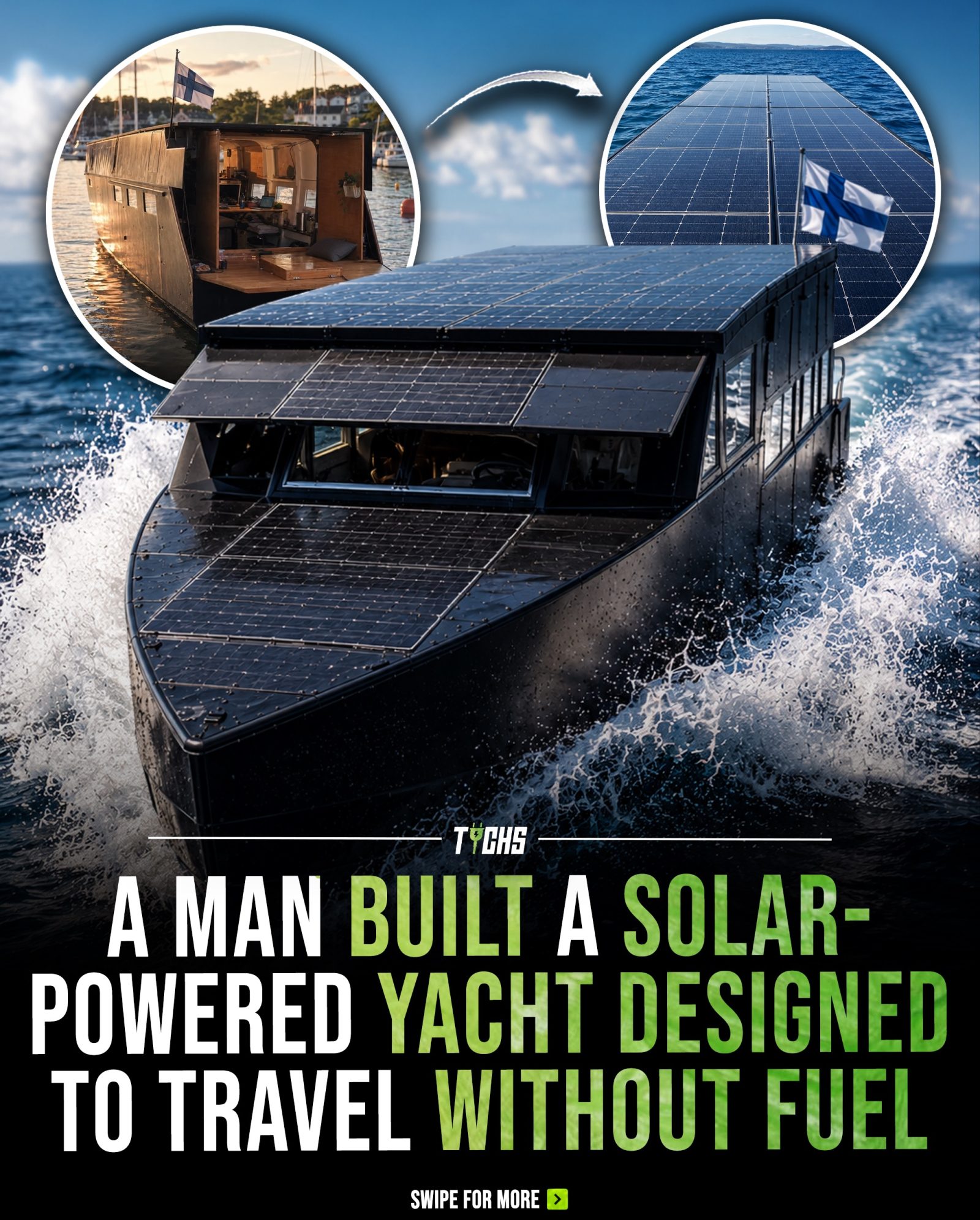
Solar-Powered Yachts: The Future of Sustainable Marine Travel
Helios 11, a solar-powered yacht built by a man named Lukas, represents a groundbreaking achievement in sustainable marine travel. This yacht, developed by Tychs, not only showcases the power of renewable energy but also offers a practical demonstration of how solar energy can be harnessed for long-distance ocean travel without relying on traditional fuel sources. Lukas spent approximately 200 days constructing the yacht, which traveled 3,106 miles from Finland to Spain using zero fuel, highlighting the potential for a cleaner, more sustainable future in marine transportation.
The Concept Behind Solar-Powered Yachts
Solar-powered yachts are designed to harness the sun's energy to power their electric motors and onboard systems. By using solar panels, these yachts can generate electricity that is stored in onboard batteries. This energy is then used to propel the yacht and power its various systems, including navigation, communication, and life support. The concept of solar-powered yachts offers a glimpse into how renewable energy can revolutionize marine travel, making it more sustainable and reducing its environmental impact.
How the Helios 11 Works
The Helios 11, a notable example of a solar-powered yacht, demonstrates the practical application of this concept. The yacht's design incorporates solar panels that generate electricity to support its electric motors and onboard systems. This setup eliminates the need for traditional fuels, such as gasoline or diesel. The recent journey from Finland to Spain, covering 3,106 miles without any fuel, showcases the yacht's capability and the potential of solar energy in long-distance marine travel.
The Journey of Helios 11
The journey of Helios 11 from Finland to Spain is a testament to the yacht's efficiency and reliability. Lukas' voyage covered a significant distance, demonstrating that solar-powered yachts can undertake extended travels without the need for refueling stops. This achievement not only reduces the dependency on traditional fuel infrastructure but also highlights the potential for a more sustainable future in marine transportation.
Why This Matters
The significance of solar-powered yachts lies in their ability to provide a practical and sustainable alternative to conventional marine travel. By harnessing solar energy, these yachts reduce greenhouse gas emissions and mitigate the environmental impact of marine transportation. Additionally, solar-powered yachts offer a more cost-effective solution in the long run, as they eliminate the cost of fuel and reduce the need for frequent refueling stops.
Environmental Impact
One of the most compelling reasons to embrace solar-powered yachts is their positive environmental impact. Traditional marine travel relies heavily on fossil fuels, which contribute significantly to greenhouse gas emissions. In contrast, solar-powered yachts use a clean, renewable energy source, reducing their carbon footprint and promoting a more sustainable future.
Cost-Effectiveness
Another critical aspect of solar-powered yachts is their cost-effectiveness. While the initial investment in building or purchasing a solar-powered yacht may be higher, the long-term savings are substantial. Solar-powered yachts do not require frequent refueling, which reduces operational costs. Additionally, the maintenance costs are lower, as there are no engines or fuel systems to maintain. This makes solar-powered yachts an attractive option for environmentally conscious and budget-savvy sailors.
Maintaining and Operating a Solar-Powered Yacht
Operating a solar-powered yacht involves a different set of considerations compared to traditional yachts. Understanding the key aspects of maintenance and operation can help ensure a smooth and enjoyable sailing experience.
Solar Panel Maintenance
Solar panels are the lifeline of a solar-powered yacht. Regular maintenance is essential to ensure they remain in optimal condition. This includes cleaning the solar panels to remove any dirt, debris, or salt residue that could reduce their efficiency. Additionally, it is important to check for any physical damage, such as cracks or scratches, which could impact their performance.
Battery Management
Efficient battery management is crucial for the operation of a solar-powered yacht. The batteries store the energy generated by the solar panels and provide power to the yacht's systems. Proper charging and maintenance of the batteries are essential to ensure they remain functional and have a long lifespan. This includes monitoring the battery levels, ensuring they are fully charged during the day, and avoiding deep discharges to prevent damage.
Navigation and Communication Systems
Solar-powered yachts rely on efficient navigation and communication systems to ensure safe and reliable travel. These systems require regular monitoring and maintenance to ensure they remain functional. This includes checking the GPS systems, radar, communication devices, and other onboard systems to ensure they are working correctly and are up to date.
Practical Tips for Sailing a Solar-Powered Yacht
Sailing a solar-powered yacht involves some unique considerations and practical tips to ensure a safe and enjoyable experience.
Planning Your Route
When planning a route on a solar-powered yacht, it is essential to consider factors such as weather conditions, solar exposure, and battery charging requirements. By planning your route carefully, you can ensure that you have sufficient solar energy to power your yacht and complete your journey without any issues.
Monitoring Power Consumption
Monitoring your power consumption is crucial when sailing a solar-powered yacht. Keeping track of your energy usage and ensuring that you are not exceeding your available power can help prevent unexpected power shortages. This includes checking the battery levels, monitoring the energy consumption of your onboard systems, and adjusting your usage as needed.
Emergency Preparedness
Emergency preparedness is an essential aspect of sailing any yacht, and it is especially important when sailing a solar-powered yacht. This includes having backup power sources, emergency communication devices, and a well-stocked emergency kit on board. Additionally, it is important to stay informed about weather conditions and adjust your plans accordingly to ensure a safe and enjoyable sailing experience.
Important Takeaways
Solar-powered yachts represent a significant advancement in marine transportation, offering a more sustainable and cost-effective solution. There are several key takeaways to consider when exploring the potential of solar-powered yachts.
Environmental Benefits
The environmental benefits of solar-powered yachts are clear. By harnessing solar energy, these yachts reduce greenhouse gas emissions and promote a more sustainable future. This makes them an attractive option for environmentally conscious sailors and a viable alternative to traditional marine travel.
Economic Advantages
In addition to their environmental benefits, solar-powered yachts offer significant economic advantages. The elimination of fuel costs and reduced maintenance requirements make them a cost-effective solution in the long run. This makes them an attractive option for budget-savvy sailors who want to reduce their overall sailing costs.
Long-Term Sustainability
Solar-powered yachts offer a long-term sustainable solution for marine travel. By relying on a renewable energy source, these yachts can remain at sea for extended periods without the need for refueling. This makes them an ideal choice for sailors who want to explore the ocean while minimizing their environmental impact.
Conclusion
Solar-powered yachts, as exemplified by the Helios 11, offer a compelling vision of a more sustainable and cost-effective future for marine travel. By harnessing the power of the sun, these yachts reduce greenhouse gas emissions, lower operational costs, and promote a cleaner, more sustainable future. As the technology continues to evolve, solar-powered yachts are poised to revolutionize marine transportation, offering a practical and sustainable alternative to traditional yachts. Exploring the potential of solar-powered yachts and embracing this innovative technology can pave the way for a more sustainable and enjoyable sailing experience.
Questions readers ask
What inspired the creation of the Helios 11 solar-powered yacht?
The Helios 11 was inspired by the desire to demonstrate the potential of solar energy in long-distance marine travel, aiming to reduce dependence on conventional fuels and promote a cleaner, more sustainable approach to ocean voyages.
How long did the journey from Finland to Spain take on the Helios 11?
The article does not provide the exact duration of the journey, but it mentions that the yacht traveled 3,106 miles using only solar power, showcasing the feasibility of sustainable long-distance travel.
What are the main benefits of using solar-powered yachts for marine travel?
Solar-powered yachts offer several advantages, including reduced reliance on traditional fuels, lower environmental impact, and a practical demonstration of renewable energy travel. They also highlight the potential for a more sustainable future in marine transportation.
Who built the Helios 11 yacht and how long did it take?
The Helios 11 was built by a man named Lukas. Lukas spent approximately 200 days constructing the yacht, demonstrating his commitment to sustainable marine travel and renewable energy.
How does a solar-powered yacht harness solar energy for travel?
Solar-powered yachts are equipped with solar panels that convert sunlight into electrical energy. This energy is then used to power the yacht's electric motors, enabling it to navigate through the water without the need for traditional fuels.
What is the significance of the 3,106-mile journey from Finland to Spain?
The 3,106-mile journey from Finland to Spain is significant because it showcases the viability of solar-powered yachts for long-distance marine travel. This voyage proves that renewable energy travel can be practical and effective, marking a milestone in sustainable ocean travel.
What company developed the Helios 11 yacht?
The Helios 11 yacht was developed by Tychs, a company focused on innovative and sustainable marine travel solutions. The yacht's successful journey highlights Tychs' commitment to renewable energy travel and sustainable ocean travel.
Related deep dives
Similar reads based on topic and creator.




Recent articles
Fresh deep dives from the latest Reels we unpacked.




Comments
Be the first to comment.