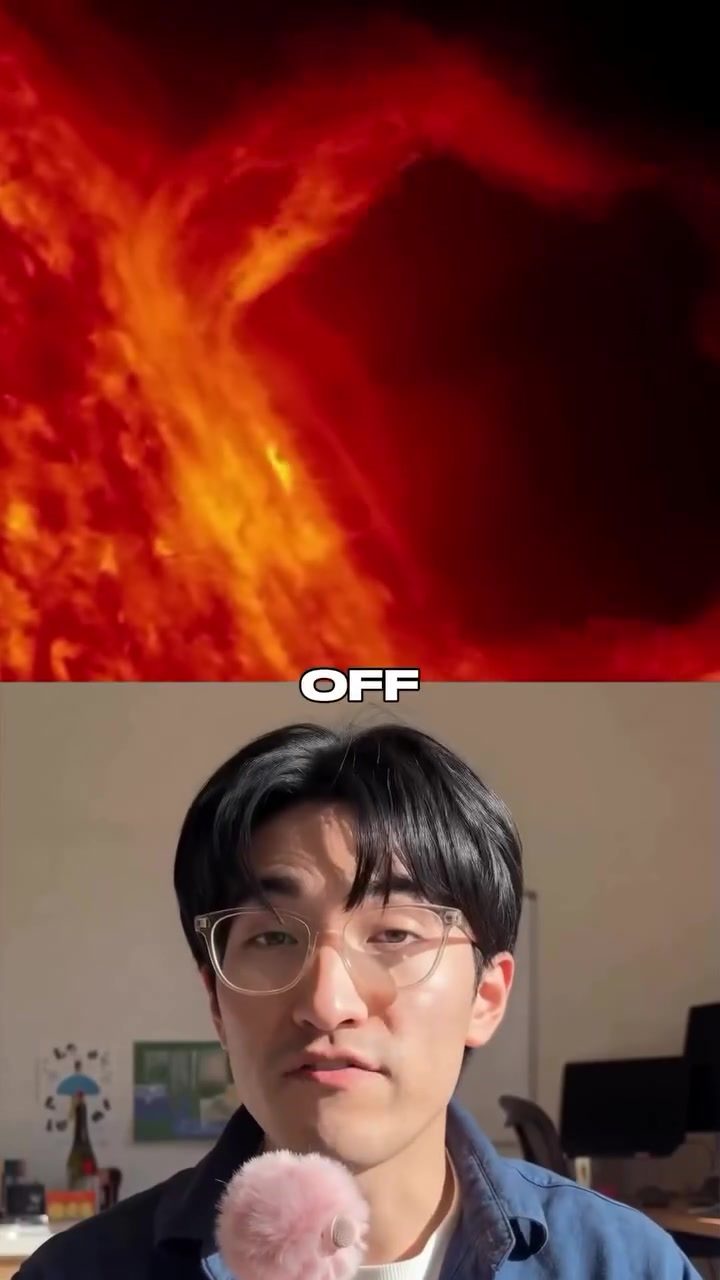
Solar Flares and the Northern Lights: A Celestial Show on the 4th of July
The Sun recently unleashed an impressive display of power, firing off 10 solar flares in a single day. This extraordinary event, reported by NOAA, has sparked excitement and anticipation, especially as it coincides with the 4th of July weekend. The solar flares have triggered a geomagnetic storm watch, which could push the northern lights far south across America, providing a rare and spectacular sky show alongside the Independence Day fireworks.
Why This Matters
Solar flares are powerful bursts of radiation that can have significant impacts on Earth. Understanding these events and their potential effects is crucial for various aspects of modern life, from communication systems to power grids.
The Science Behind Solar Flares
What Are Solar Flares?
Solar flares are intense bursts of radiation that originate from the Sun's surface. They release a massive amount of energy in the form of electromagnetic radiation and charged particles. These flares can be classified based on their intensity and the wavelength of the radiation they emit. The most powerful flares are classified as X-class, which can cause significant disruptions on Earth.
The Impact on Earth
When a solar flare occurs, it can release plasma, a hot ionized gas, that travels towards Earth. This plasma can interact with Earth's magnetic field, causing a geomagnetic storm. The effects of these storms can be far-reaching:
- Radio Blackouts: Solar flares can disrupt radio communications, especially in the higher frequency bands used for aviation and maritime communications. A recent flare knocked out radio across North America in just about 8 minutes, highlighting the immediate impact these events can have.
- GPS Disruptions: The charged particles from solar flares can interfere with GPS signals, making navigation systems less reliable. This can affect various industries, including aviation, shipping, and even everyday activities that rely on GPS for location services.
- Satellite Operations: Satellites are particularly vulnerable to solar flares. The intense radiation can damage electronic components and disrupt satellite operations, which can impact everything from television broadcasts to internet connectivity.
- Power Grids: Geomagnetic storms can induce currents in power lines, leading to voltage fluctuations and even blackouts. Power grids are designed to handle some level of interference, but intense solar events can push them to their limits.
The Northern Lights: A Spectacular Side Effect
While the potential disruptions are concerning, the bright side of solar flares is the stunning display of the Northern Lights, or Aurora Borealis. The interaction between the solar particles and Earth's magnetic field creates a beautiful light show in the sky. This phenomenon is typically visible in high-latitude regions, but during intense geomagnetic storms, the Northern Lights can be seen as far south as New York and Idaho.
Practical Tips for Viewing the Northern Lights
If you find yourself in the path of the Northern Lights this 4th of July weekend, here are some tips to enhance your viewing experience:
- Find a Dark Sky: Light pollution can obscure the Northern Lights, so head to a dark, clear area away from city lights.
- Check the Weather: Clear skies are essential for viewing the aurora. Check your local weather forecast to ensure you have a good chance of seeing the lights.
- Use a Camera: For the best photos, use a tripod and a camera with manual settings. Set your ISO to 800 or 1600, use a wide aperture (f/2.8 or lower), and set a long exposure time (e.g., 15-20 seconds).
- Stay Patient: Sometimes it can take a while for the aurora to become visible, but patience is key. The show can be intermittent, so give yourself time to enjoy the experience.
Important Takeaways
- Be Prepared for Disruptions: While the Northern Lights are a beautiful sight, be aware that solar flares can cause temporary disruptions in communication and satellite services.
- Stay Informed: Keep an eye on NOAA's space weather alerts for updates on geomagnetic storms and their potential impacts.
- Document the Phenomenon: Share your photos and experiences with others. Capturing this rare event can create lasting memories and contribute to a broader understanding of solar activity.
Conclusion
The recent solar flares and the ensuing geomagnetic storm watch offer a unique opportunity to witness the Northern Lights in parts of the country where they are rarely seen. While these events can cause temporary disruptions, they also provide a breathtaking celestial show that is not to be missed. Whether you're an avid stargazer or simply curious about the wonders of the universe, taking the time to observe the Northern Lights this 4th of July weekend is an experience you won't want to miss.
Questions readers ask
What are solar flares and why are they significant in July 2024?
Solar flares are intense bursts of radiation emitted by the Sun. In July 2024, a series of powerful solar flares have drawn attention due to their potential to induce a geomagnetic storm, which could make the Northern Lights visible in the continental US, especially over the 4th of July weekend.
How do solar flares affect Earth's atmosphere?
Solar flares can impact Earth's atmosphere by triggering geomagnetic storms. These storms can distort the Earth's magnetic field, potentially disrupting communication systems, power grids, and satellite operations, as well as creating stunning auroras in the sky.
What is a geomagnetic storm watch and why is one in place for July 2024?
A geomagnetic storm watch is an alert issued by NOAA indicating a high probability of a geomagnetic storm. For July 2024, one has been issued due to the recent intense solar activity, which could push the Northern Lights further south, potentially visible in the skies of the continental US.
What causes the Northern Lights and how does solar activity influence them?
The Northern Lights, or auroras, are caused by the interaction of solar particles with Earth's magnetic field. Increased solar activity, such as solar flares, can enhance this interaction, leading to more vibrant and widespread auroras, which may be visible at lower latitudes.
How are solar flares measured and reported?
Solar flares are measured by their intensity and classification, ranging from A to X, with X-class flares being the most intense. NOAA's Space Weather Prediction Center monitors and reports on these events, providing updates on potential impacts on Earth, such as geomagnetic storms and auroras.
What precautions should be taken during a geomagnetic storm?
During a geomagnetic storm, it's important to be aware of potential disruptions to power grids, communication systems, and GPS signals. While most people do not need to take specific actions, critical infrastructure operators should be prepared for possible fluctuations and outages. Additionally, enjoying the enhanced auroras can be a safe recreational activity.
Related deep dives
Similar reads based on topic and creator.


Recent articles
Fresh deep dives from the latest Reels we unpacked.




Comments
Be the first to comment.