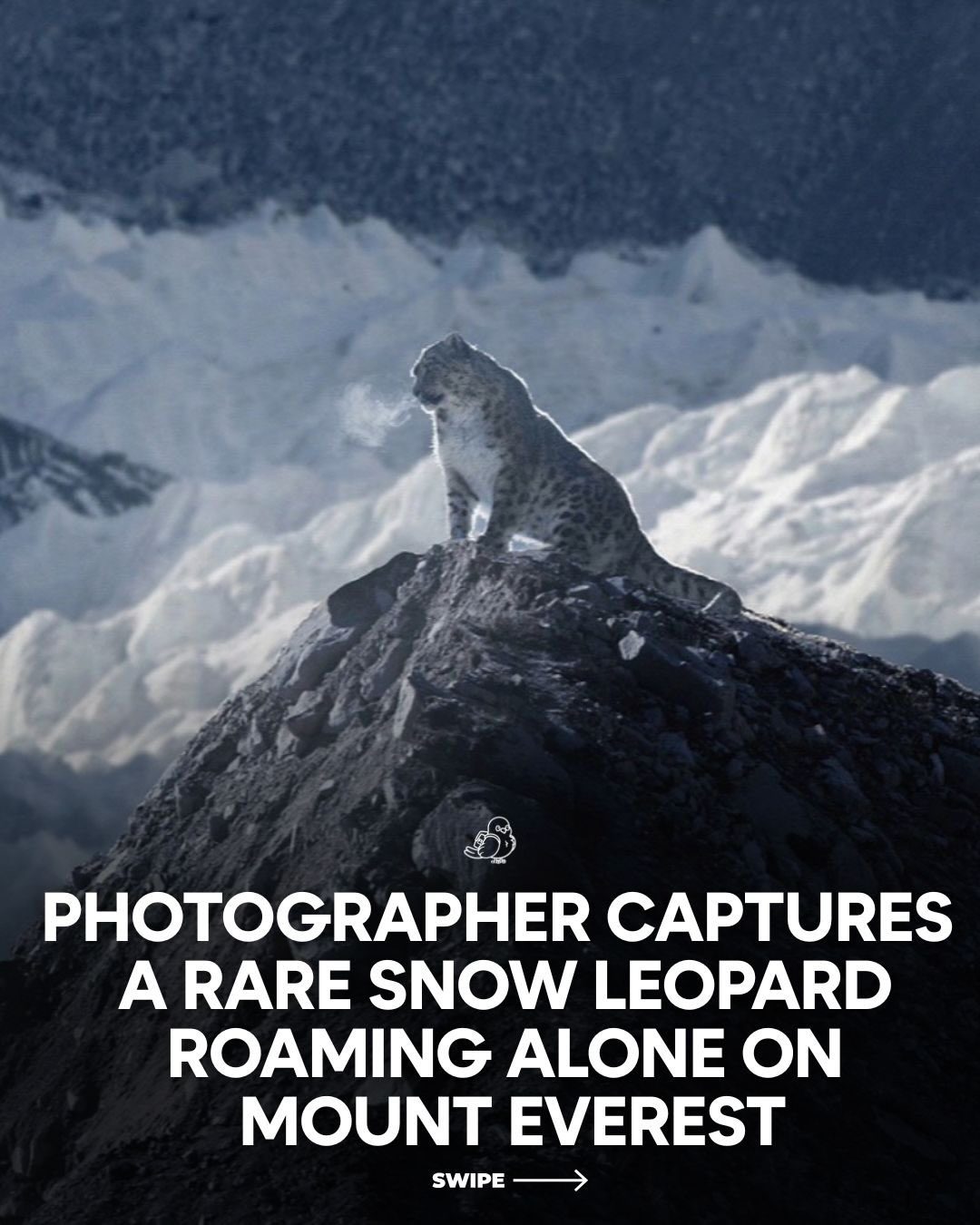
Encountering the Ghost of the Mountains: Snow Leopards on Mount Everest
Snow leopards, known as the "ghosts of the mountains," are elusive and rare creatures that inhabit the high-altitude regions of the Himalayas. These big cats are renowned for their ability to blend seamlessly into their rocky, icy environments, making sightings and photographic captures extraordinarily uncommon, especially at altitudes as high as 5,486 meters on Mount Everest.
Why This Matters
Mount Everest, the world's highest peak, is one of the most extreme and inhospitable environments on Earth. The harsh conditions—including thin air, freezing temperatures, and treacherous terrain—make survival a constant challenge. Snow leopards have adapted to these conditions, thriving in steep, rocky landscapes and icy terrain. Capturing a snow leopard on camera at such an altitude is a rare and significant event, offering valuable insights into their habitat and behavior.
The Mountain and the Leopard
Mount Everest: A Harsh and Beautiful Landscape
Mount Everest, located in the Himalayan range, is a symbol of the majesty and cruelty of nature. The mountain's peak is a world of extreme cold, thin air, and relentless winds. Yet, it is also home to some of the most breathtaking landscapes on the planet. The stark beauty of the rocky outcrops, glaciers, and snow-covered peaks provides a stark contrast to the vibrant, lush valleys below.
Snow Leopards: Masters of Camouflage and Survival
Snow leopards are perfectly adapted to their harsh environment. Their thick, white-gray fur with dark rosettes and spots helps them blend into the rocky terrain, making them almost invisible to both prey and potential threats. Their large, padded paws act like snowshoes, allowing them to move silently and stealthily across the snowy landscape. Snow leopards are solitary animals, and males are particularly territorial, marking their territory with urine and feces.
Unveiling the Rarity: Photographing a Snow Leopard
Capturing a snow leopard on camera, especially at such a high altitude, is a momentous event. Photographers and wildlife watchers often spend years in the field without ever seeing one. This is due in part to the leopards' elusive nature and the challenges of navigating the treacherous terrain. Such a sighting offers not only a rare glimpse into the life of these majestic creatures but also a unique opportunity to document the conditions they face.
Practical Tips for Wildlife Photography
Preparation and Patience
Wildlife photography, particularly in extreme environments like Mount Everest, requires meticulous preparation and unwavering patience. Research the habitat and behavior of the animals you aim to photograph. Understanding their patterns and preferred locations can significantly increase your chances of a successful encounter. Bring the right gear, including highly specialized cameras and lenses, and be prepared for challenging conditions.
Respect for the Environment and Wildlife
Always prioritize the well-being of the animals and the environment. Observe from a distance to avoid disturbing the leopards, and adhere to ethical guidelines. Minimize your impact on the landscape and ensure that your presence does not alter the natural behavior of the wildlife.
Important Takeaways
Conservation Efforts
Snow leopards are endangered, with population estimates ranging from 4,000 to 6,500 individuals worldwide. Conservation efforts are crucial to their survival. Organizations and researchers focus on reducing human-wildlife conflict, promoting sustainable practices, and protecting their natural habitats. Capturing such rare and beautiful moments on camera can serve as a powerful reminder of the importance of these conservation efforts.
The Science of Survival
The high-altitude environment of Mount Everest provides a unique laboratory for studying how snow leopards have adapted to such extreme conditions. Understanding their physiology and behavior can offer valuable insights into human and animal survival in harsh environments. This knowledge can be applied to other conservation efforts and scientific studies.
Conclusion
Mount Everest and snow leopards represent the extremes of nature. The snow leopard, elusive and majestic, is a testament to the resilience and adaptability of wildlife. Encounters with these "ghosts of the mountains" are rare and precious, offering a glimpse into the beauty and harshness of one of the world's most formidable environments. These moments not only inspire awe but also underscore the importance of conservation and the delicate balance of nature.
Questions readers ask
What makes snow leopard sightings on Mount Everest so rare?
Snow leopards are naturally elusive and their ability to blend into rocky, icy environments makes them incredibly hard to spot. Additionally, the extreme altitude and harsh conditions of Mount Everest make sightings even more unusual, as these factors make it challenging for both the leopards and observers.
How have snow leopards adapted to the extreme conditions of Mount Everest?
Snow leopards have several adaptations that help them thrive in extreme altitudes. These include thick fur that provides insulation, wide paws that act like snowshoes, and a long tail for balance and warmth. Their ability to survive in such harsh environments is a testament to their remarkable resilience.
What should I do if I encounter a snow leopard while backpacking or traveling around Mount Everest?
If you encounter a snow leopard, maintain a safe distance and observe quietly. Do not attempt to approach or feed the animal. Remember to follow guidelines for wildlife encounters, such as not making loud noises or sudden movements. Use a camera with a good zoom lens to capture photographs from afar.
What are the best times and places to spot snow leopards in the Mount Everest region?
Snow leopards can be spotted throughout the year, but the best times are during the warmer months of April to June and September to November, when the weather is relatively mild. Look for them in rocky areas, near cliffs, and in high-altitude valleys where they hunt for prey like blue sheep and Himalayan tahr.
Why is it important to document and report snow leopard sightings on Mount Everest?
Documenting and reporting snow leopard sightings can provide valuable data for researchers and conservationists. This information helps monitor population trends, understand behavior, and develop strategies to protect these elusive cats. Apps and platforms dedicated to wildlife sightings can make this process easy and impactful.
What equipment do I need for wildlife photography of snow leopards on Mount Everest?
For wildlife photography of snow leopards, a telephoto lens with a good zoom range (at least 400mm) is essential. A sturdy tripod and a camera with excellent low-light capabilities will also help capture clear images in the challenging conditions. Patience and a good pair of binoculars are also crucial for spotting these elusive animals.
What other rare animals might I encounter while exploring Mount Everest's wildlife?
Mount Everest is home to a variety of rare and remarkable animals, including Himalayan tahr, blue sheep, and musk deer. There is also a chance to spot birds like the Himalayan snowcock and the blood pheasant. Be prepared for these unique sightings and always maintain a respectful distance from all wildlife.
Related deep dives
Similar reads based on topic and creator.




Recent articles
Fresh deep dives from the latest Reels we unpacked.




Comments
Be the first to comment.