Astronomy Photography
Solar photography, especially capturing the precise moment when a skydiver's silhouette crosses the face of the Sun, is a captivating blend of skill, timing, and astronomical knowledge. This unique endeavor showcases the intricate planning and coordination required to achieve such an extraordinary shot.
Context / Why this matters
Astronomy photography, particularly involving the Sun, is a specialized field that requires careful planning and precise equipment. Capturing the moment when a skydiver appears to cross the face of the Sun is not only visually stunning but also scientifically significant. This alignment is a fascinating example of how celestial bodies and human activity can intersect in a fleeting, yet perfectly timed moment. Understanding the science and logistics behind this shot provides a deeper appreciation for the complexities of both astronomy and human achievement.
Main discussion
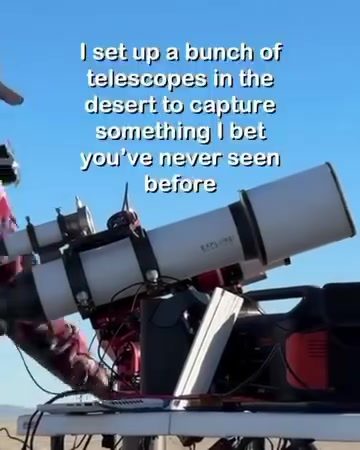
The Equipment
A solar telescope is essential for capturing detailed images of the Sun. These telescopes are equipped with protective filters that allow safe observation and photography of the Sun's surface, revealing features like sunspots and prominences. The use of a solar telescope ensures that the photographer can capture the Sun's details without risking eye damage or equipment damage from the Sun's intense light.
The Planning
Planning such a shot involves meticulous coordination between the photographer and the skydiver. The dive schedule and the Sun’s position must be synchronized to capture the exact moment when the skydiver's silhouette aligns with the solar disc. This alignment is from Earth's perspective and lasts only fractions of a second, making the timing crucial. The photographer must also consider the position of the Sun, the trajectory of the jumper, and the dive window to ensure everything lines up perfectly.
The Execution
The execution of this shot requires a high level of skill and precision. The skydiver, Gabe, had to jump from a light aircraft at the precise moment to align with the Sun's position. The photographer, holding a phone, captured the audio of Gabe right after the jump, adding an authentic element to the documentation. This real-time capture, not a composite, showcases the raw beauty and excitement of the moment when everything aligns perfectly. The use of a solar telescope with protective filters ensures that the shot is both safe and detailed, revealing the Sun's surface features.
Practical tips
Equipment Selection
When engaging in solar photography, choosing the right equipment is crucial. A solar telescope with high-quality protective filters is essential for safe and detailed observations. These filters allow you to see sunspots and prominences without risking damage to your eyes or equipment. Additionally, a stable platform for mounting the telescope can enhance the clarity of your images.
Timing and Coordination
Timing is everything in solar photography, especially when capturing a skydiver's silhouette. Coordinate closely with the skydiver to ensure the jump aligns perfectly with the Sun's position. Use accurate dive schedules and Solar positioning tools to plan the exact moment of the jump. Precision in timing and coordination can make the difference between a mundane shot and a breathtaking capture.
Safety Measures
Safety should always be a priority when engaging in solar photography. Use appropriate protective filters for your telescope and wear protective eyewear. Avoid looking directly at the Sun without proper protection. Additionally, ensure that the skydiver is experienced and follows all safety protocols during the jump.
Important takeaways
Solar photography, especially capturing a skydiver's silhouette crossing the face of the Sun, is a unique and thrilling endeavor. It requires a combination of specialized equipment, meticulous planning, and precise execution. The use of a solar telescope with protective filters ensures safe and detailed observations, while the coordination between the photographer and the skydiver is crucial for capturing the perfect moment. This alignment, though fleeting, offers a glimpse into the fascinating world of astronomy and human achievement. By understanding the science and logistics behind this shot, one can appreciate the beauty and complexity of solar photography.
Conclusion
Capturing a skydiver's silhouette crossing the face of the Sun is a remarkable achievement that combines astronomy, photography, and human skill. The use of a solar telescope, precise planning, and meticulous execution are essential for achieving this extraordinary shot. This alignment, though brief, highlights the beauty and complexity of solar photography, showcasing the intersection of celestial bodies and human activity in a perfectly timed moment.
Questions readers ask
What kind of equipment is typically used for solar photography involving a skydiver's silhouette?
Solar photography, especially capturing a skydiver crossing the Sun, involves specialized equipment such as solar telescopes or solar filters for regular telescopes. These tools help protect the camera and the photographer's eyes from the Sun's intense light. Additionally, a camera with high shutter speed and precise timing capabilities is crucial for capturing the fleeting moment.
How is the perfect timing for capturing a skydiver's silhouette across the Sun achieved?
Achieving the perfect timing for capturing a skydiver's silhouette across the Sun requires meticulous planning and coordination. This includes calculating the skydiver's jump trajectory, the Sun's position in the sky, and synchronizing the descent with the camera's shutter speed. Often, multiple attempts are needed to get the precise alignment.
What safety measures should be considered when attempting this type of photography?
Safety is paramount in solar photography. Directly viewing the Sun through an unfiltered telescope can cause permanent eye damage. Always use proper solar filters and ensure they are properly secured. Additionally, be mindful of the skydiver's safety, coordinating with the skydiving team to ensure they are aware of the photographic attempt and avoid any potential hazards.
Can a smartphone be used for solar photography, specifically for capturing a skydiver's silhouette?
While smartphones are versatile, they are not typically suited for high-precision solar photography due to their limitations in shutter speed and optical capabilities. However, with the right solar filters and a stable mount, smartphones can be part of a broader setup using a solar telescope for capturing the Sun's image, with the phone used to trigger the shot.
What are the scientific significances of capturing a skydiver's silhouette across the Sun?
Capturing a skydiver's silhouette across the Sun is not only a visually stunning feat but also scientifically significant. It demonstrates the precise alignment of celestial bodies and human activity, offering insights into solar photography techniques and the dynamic interplay between astronomical events and human achievement.
How do weather conditions impact solar photography involving a skydiver?
Weather conditions play a critical role in solar photography. Clear skies are essential for capturing a sharp image of the Sun and the skydiver's silhouette. Cloud cover, haze, or other atmospheric conditions can obscure the view, making it challenging to achieve the desired shot. It's important to monitor weather forecasts and choose a day with optimal conditions for the best results.
What are the key challenges in capturing a skydiver's silhouette crossing the Sun?
The key challenges include precise timing, precise equipment setup, and coordination with the skydiver. The skydiver must jump at the exact moment when the sun is in the optimal position, and the camera must be perfectly aligned and focused. Any slight deviation can result in a missed opportunity, making this a highly demanding and rewarding endeavor.
Related deep dives
Similar reads based on topic and creator.

Recent articles
Fresh deep dives from the latest Reels we unpacked.




Comments
Be the first to comment.