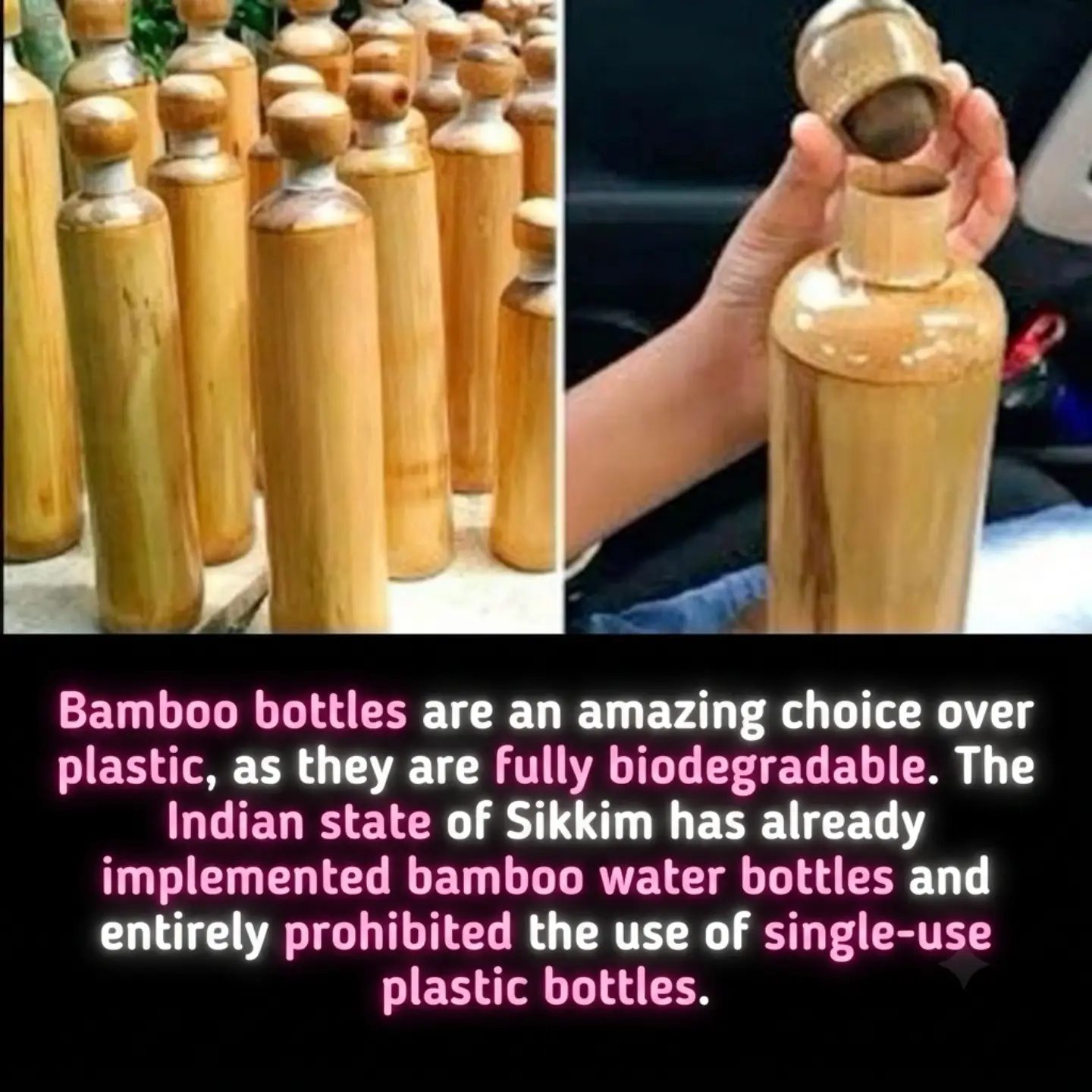
Bamboo Water Bottles: A Sustainable Alternative
Bamboo water bottles offer a sustainable and stylish alternative to traditional plastic bottles. These eco-friendly products are not only 100% biodegradable but also represent a significant step towards reducing our environmental footprint.
Context / Why This Matters
The environmental impact of single-use plastic bottles is well-documented. They contribute to landfill waste, pollute oceans, and take centuries to decompose. Switching to biodegradable alternatives like bamboo water bottles can help mitigate these issues. The Indian state of Sikkim has already taken a bold step by banning single-use plastic bottles and promoting handcrafted bamboo alternatives. This initiative serves as a model for other regions looking to adopt more sustainable practices.
Main Discussion
The Benefits of Bamboo Bottles
Bamboo water bottles are an excellent choice for those looking to reduce their environmental impact. Here are some key benefits:
- Biodegradable: Unlike plastic, bamboo bottles are fully biodegradable. This means they can decompose naturally over time, reducing waste in landfills and oceans.
- Stylish Design: Bamboo bottles are not only eco-friendly but also aesthetically pleasing. Their natural design adds a touch of elegance to everyday use.
- Zero-Waste: Bamboo bottles are part of the zero-waste movement, which aims to eliminate waste by reusing and recycling materials. By choosing a bamboo bottle, you contribute to this sustainable lifestyle.
Sikkim's Pioneering Effort
In 2020, the Indian state of Sikkim banned single-use plastic bottles and encouraged the use of bamboo water bottles. This move aligns with the state's broader commitment to environmental conservation. By adopting bamboo as an alternative, Sikkim has not only reduced plastic waste but also supported local artisans and businesses.
The state's success story highlights the feasibility of sustainable living. It shows that with the right policies and public support, significant environmental changes can be achieved. Sikkim's approach can serve as a blueprint for other regions aiming to reduce plastic waste and promote eco-friendly products.
Bamboo: The Ideal Material
Bamboo is an ideal material for water bottles due to several reasons:
- Renewable Resource: Bamboo is one of the fastest-growing plants on Earth, making it a highly renewable resource. It can grow up to 36 inches in a single day, which means it can be harvested sustainably without depleting natural resources.
- Durable and Lightweight: Bamboo is strong and durable, making it perfect for water bottles. Its lightweight nature makes it easy to carry around, ideal for outdoor activities and daily commutes.
- Natural Antibacterial Properties: Bamboo has natural antibacterial properties that help prevent the growth of bacteria and mold, ensuring the water stays fresh and clean.
Practical Tips
Switching to a bamboo water bottle is a straightforward process. Here are some tips to make the transition smooth:
- Choose the Right Bottle: Ensure the bamboo bottle you select is certified biodegradable and free from harmful chemicals. Look for products that are handcrafted and locally sourced.
- Maintain Proper Hygiene: While bamboo has natural antibacterial properties, regular cleaning is still essential. Use mild soap and water to clean your bottle after each use. Drying it thoroughly helps prevent mold growth.
- Refill Regularly: Refill your bamboo water bottle with filtered water to avoid contaminants and maintain water quality. Opt for reusable water filters if you live in an area with poor water quality.
Important Takeaways
Supporting Sustainable Living
Bamboo water bottles are more than just a stylish accessory; they are a statement of commitment to sustainable living. By choosing to use and promote these bottles, you contribute to a larger movement towards a greener future.
Community and Beyond
The transition to bamboo water bottles is not just an individual effort. Community support and government initiatives, like those in Sikkim, play a crucial role in making sustainable living a reality. Encourage friends, family, and local businesses to adopt bamboo products.
Conclusion
Bamboo water bottles represent a practical and stylish solution to reducing plastic waste. Their biodegradable nature, coupled with the natural beauty and durability of bamboo, makes them an excellent alternative to traditional plastic bottles. By adopting bamboo water bottles, we can take a significant step towards a more sustainable future.
Questions readers ask
How are bamboo water bottles more sustainable than plastic bottles?
Bamboo water bottles are 100% biodegradable, which means they can decompose naturally without leaving harmful residues. In contrast, plastic bottles take centuries to decompose and contribute to landfill waste and ocean pollution, making bamboo a more environmentally friendly choice.
What is the significance of Sikkim's ban on single-use plastic bottles?
Sikkim's ban on single-use plastic bottles is significant because it encourages a shift towards more sustainable alternatives, such as bamboo water bottles. This initiative demonstrates that policy changes can promote eco-friendly practices and reduce plastic waste, serving as a model for other regions to follow.
How do bamboo water bottles support local artisans?
Bamboo water bottles often support local artisans by providing them with opportunities to create handcrafted products. This not only helps in preserving traditional craftsmanship but also boosts local economies, making bamboo water bottles a socially responsible choice.
Are bamboo water bottles durable for daily use?
Yes, bamboo water bottles are designed to be durable and suitable for daily use. They are typically coated with a food-grade sealant to prevent liquid leakage and ensure the longevity of the bottle. This makes them a practical and sustainable choice for everyday hydration.
What are the environmental benefits of using bamboo water bottles?
Using bamboo water bottles helps reduce the amount of plastic waste that ends up in landfills and oceans. Since bamboo is a rapidly renewable resource, its use promotes sustainability and helps lower carbon emissions associated with the production and disposal of plastic bottles.
Can bamboo water bottles be used for other beverages besides water?
Yes, bamboo water bottles can be used for a variety of beverages, including juice, smoothies, and tea. However, it's important to check the specific product details, as some bamboo water bottles may not be suitable for hot beverages due to the materials used in their construction and to ensure food safety.
Related deep dives
Similar reads based on topic and creator.




Recent articles
Fresh deep dives from the latest Reels we unpacked.




Comments
Be the first to comment.