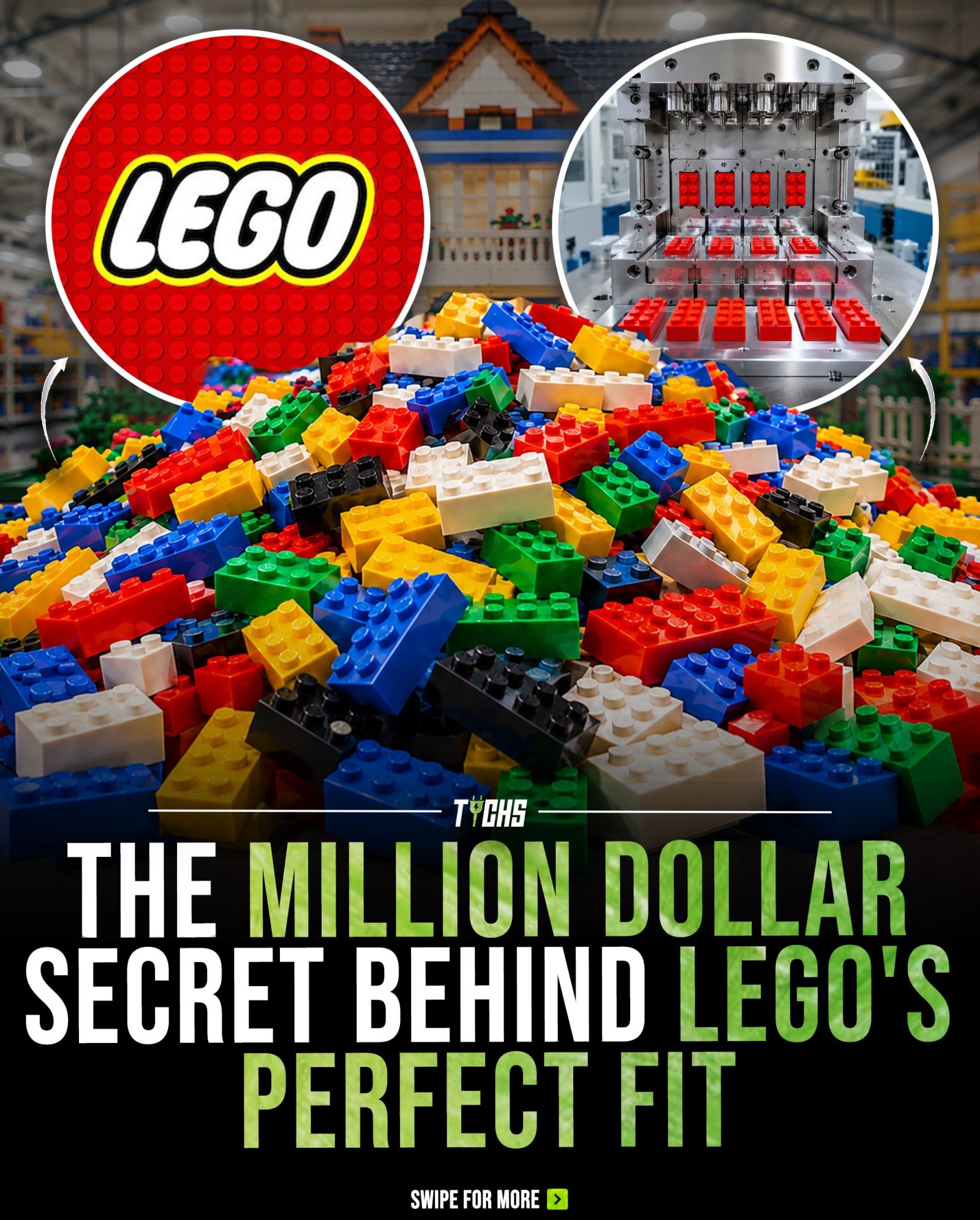
The Intricate Engineering Behind LEGO's Perfect Fit
LEGO's toy bricks are renowned for their precision and consistency, a feat that results from decades of engineering and manufacturing excellence. This meticulous process ensures that every LEGO brick clicks together perfectly, creating a seamless and satisfying building experience. Understanding the behind-the-scenes workings of LEGO's manufacturing reveals the intricacies that make these iconic bricks so reliable.
Why This Matters
The ability of LEGO bricks to interconnect flawlessly, regardless of their age, is a testament to LEGO's commitment to quality and innovation. This consistency is not just a matter of convenience for builders but also a key factor in the enduring popularity of LEGO toys. The brand's dedication to maintaining a high level of precision in production has solidified its place in the toy industry.
The LEGO Manufacturing Process
The Iconic Design
One of the most remarkable aspects of LEGO bricks is their enduring design. Introduced in 1958, this design has remained unchanged, allowing modern bricks to connect perfectly with those made over six decades ago. This consistency is a result of LEGO's unwavering commitment to quality and precision.
Precision Molding
LEGO invests in ultra-precise steel molds, which can cost more than $100,000 each. These molds are crucial for producing over 100 million bricks that maintain identical dimensions. The manufacturing tolerance for these bricks is just 0.002 mm, ensuring that every brick fits perfectly with any other.
The Injection Molding Process
The manufacturing process begins with the injection molding of molten ABS plastic, which is carefully controlled above 230°C. This meticulous control is essential for maintaining the exact dimensions and quality of each brick. The molten plastic is injected into the precision steel molds, where it cools and hardens into the iconic LEGO shape.
Quality Control
Quality checks are a critical part of LEGO's manufacturing process. Each of the 35 million bricks produced every day undergoes rigorous inspections to ensure they meet the same strict quality standards. This attention to detail guarantees that every brick, regardless of its production batch, fits perfectly with any other LEGO brick.
Practical Tips for Understanding LEGO's Precision
Recognizing the Importance of Consistent Design
Legacy bricks can fit perfectly with new ones because of the enduring design. This consistency not only enhances the building experience but also ensures that older sets can be incorporated into new creations.
Appreciating the Cost of Quality
Understanding the cost and precision behind manufacturing LEGO bricks can change the way people value these toys. The investment in ultra-precise molds and the meticulous quality control processes highlight LEGO's commitment to excellence.
Seeing the Engineering Behind the Satisfying “Click”
The satisfying “click” when LEGO bricks snap together is the result of millions of microscopic details working together perfectly. This engineering marvel is something to appreciate and understand, as it underpins the entire LEGO building experience.
Important Takeaways
- Precision Engineering: LEGO's manufacturing process involves ultra-precise steel molds and a manufacturing tolerance of just 0.002 mm, ensuring consistent dimensions across all bricks.
- Enduring Design: The 1958 brick design has remained unchanged, allowing for seamless integration of new and old bricks.
- Quality Control: Rigorous quality checks ensure that every brick meets high standards, regardless of production volume.
Conclusion
The precision and consistency of LEGO bricks are the result of meticulous engineering and manufacturing processes. From the ultra-precise steel molds to the rigorous quality control, every step of the production process is designed to ensure that each brick fits perfectly with any other. This commitment to excellence has created a product that is not only beloved by children and adults alike but also a marvel of modern engineering.
Questions readers ask
What makes LEGO bricks fit together so perfectly?
LEGO bricks fit together seamlessly due to precise engineering and meticulous manufacturing. Each brick is designed with specific dimensions and tolerances, and LEGO's ultra-precise molds ensure that every brick adheres to these exacting standards, guaranteeing a perfect fit every time.
Has the design of LEGO bricks changed over the years?
The iconic design of LEGO bricks has remained largely unchanged since their inception in 1958. This consistency ensures compatibility across generations, allowing bricks from different decades to interlock perfectly with one another.
What role do molds play in LEGO's manufacturing process?
Molds are crucial in LEGO's manufacturing process. They are designed with extreme precision to ensure that every brick produced adheres to LEGO's exacting standards. This precision is what allows LEGO bricks to fit together so consistently, creating a satisfying building experience.
Why is the consistency of LEGO bricks important?
The consistency of LEGO bricks is important because it ensures that every brick will interconnect perfectly, regardless of when it was produced. This consistency is key to the enduring popularity of LEGO toys, as it allows for seamless and satisfying building experiences across generations.
How does LEGO maintain such precise engineering in their bricks?
LEGO maintains precise engineering through a combination of advanced design and meticulous manufacturing processes. Their molds are crafted with ultra-high precision, and quality control measures are in place to ensure that each brick meets the exacting standards required for a perfect fit.
Can LEGO bricks from different sets and years work together?
Yes, LEGO bricks from different sets and even different years are designed to work together seamlessly. This is due to LEGO's commitment to maintaining a consistent design and precise manufacturing process, ensuring that all their bricks are compatible across the board.
Recent articles
Fresh deep dives from the latest Reels we unpacked.




Comments
Be the first to comment.