Nonstick Pan Concerns: What You Need to Know
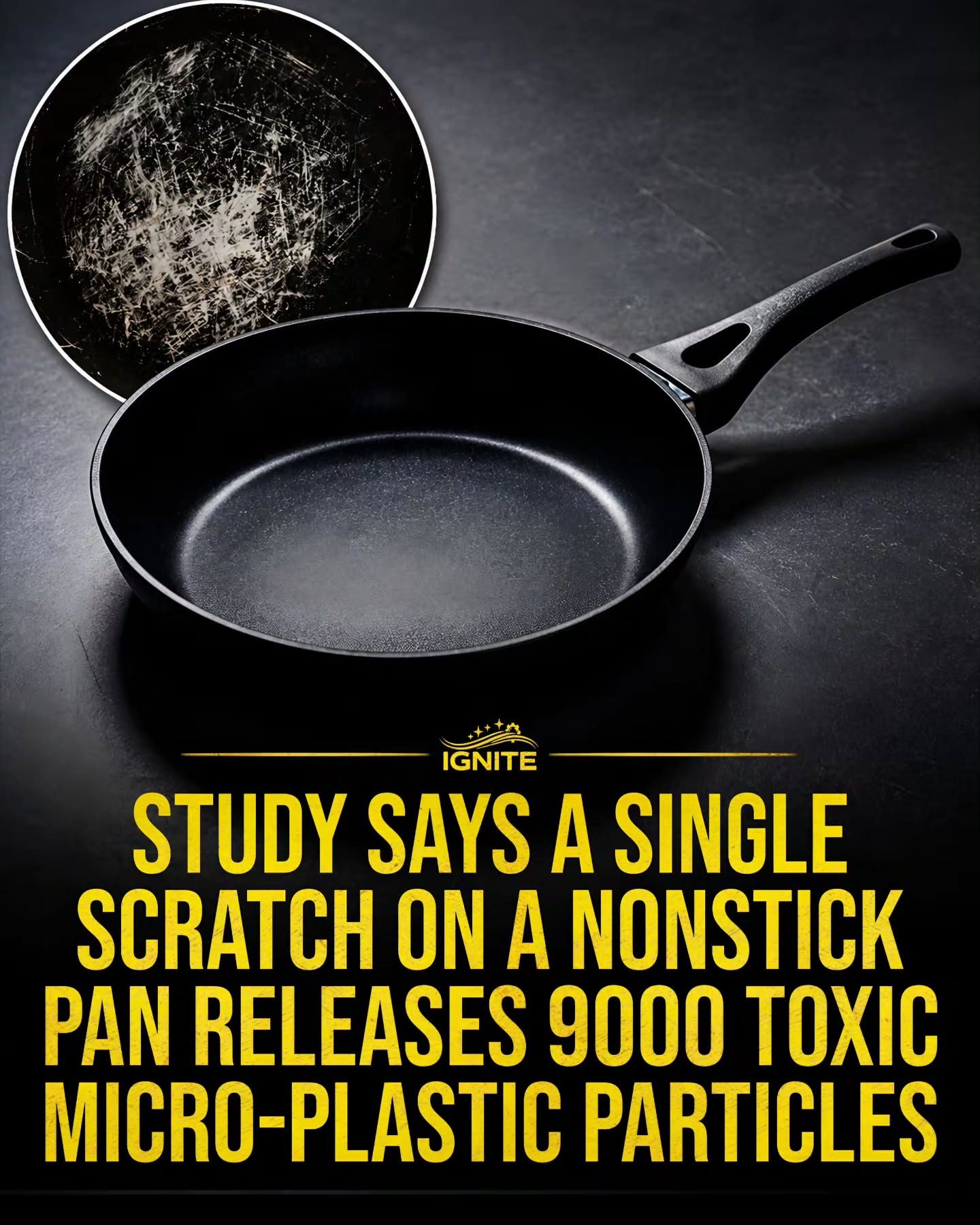
Nonstick pans are a staple in many kitchens, prized for their ease of use and cleaning. However, recent studies have raised concerns about the potential risks associated with scratched nonstick cookware. A study highlighted by IGNITE reveals that a single scratch on a nonstick pan can release up to 9,000 toxic microplastic particles.
Why This Matters
Understanding the implications of these findings is crucial for anyone who uses nonstick cookware. While nonstick pans offer convenience, the potential health risks associated with microplastic particles warrant careful consideration. This article delves into the specifics of the study, the types of nonstick pans and their coatings, and practical tips for safer use.
Understanding Nonstick Cookware
Types of Nonstick Coatings
Nonstick cookware typically features a coating that prevents food from sticking. The most common types of nonstick coatings include:
- PTFE (Polytetrafluoroethylene): Also known as Teflon, PTFE is a synthetic fluoropolymer of tetrafluoroethylene. It is highly resistant to heat and corrosion, making it ideal for cookware.
- Ceramic: Ceramic coatings are made from inorganic, non-metallic materials derived from naturally occurring minerals. They are free from PTFE and PFOA (Perfluorooctanoic acid), making them a popular choice for those concerned about chemical exposure.
- Anodized Aluminum: This type of coating involves an electrochemical process that thickens the natural oxide layer on the aluminum, creating a hard, nonstick surface.
The Impact of Scratches
Scratches on nonstick pans can compromise the integrity of the coating, leading to the release of microplastic particles. These particles can potentially contaminate food, raising concerns about health risks. The study by IGNITE underscores this issue, highlighting that even a minor scratch can release a significant number of toxic particles.
Health Concerns
The release of microplastic particles from scratched nonstick cookware is a growing concern. These particles can enter the food chain and potentially pose health risks. While more research is needed to fully understand the long-term effects, it's clear that minimizing exposure to these particles is advisable.
Practical Tips for Safer Use
Choosing the Right Pan
When selecting a nonstick pan, opt for cookware with a durable, high-quality coating. Ceramic and anodized aluminum options are generally safer and more resistant to scratches. Always choose pans with a reputation for durability and reliability.
Proper Care and Maintenance
To extend the lifespan of your nonstick pan and minimize the risk of scratches, follow these tips:
- Avoid Metal Utensils: Use wooden, silicone, or plastic utensils to prevent scratching the nonstick surface.
- Gentle Cleaning: Hand-wash your nonstick pans with warm, soapy water and a soft sponge. Avoid abrasive cleaners and scouring pads.
- Gradual Heating: Heat your pan gradually to avoid sudden temperature changes that can warp the coating.
- Cool Before Cleaning: Allow the pan to cool before washing to prevent thermal shock, which can damage the coating.
When to Replace Your Pan
Even with careful use, nonstick pans will eventually show signs of wear. Keep an eye out for these indicators that it's time to replace your pan:
- Visible Scratches or Pitting: Deep scratches or pits in the nonstick surface can release more microplastic particles.
- Worn Coating: If the nonstick coating is flaking or peeling, it's time for a new pan.
- Disfigured Surface: If the surface becomes discolored, warped, or uneven, it may be compromising your food's safety.
Important Takeaways
- Scratches Matter: Even a single scratch on a nonstick pan can release a significant number of microplastic particles.
- Choose Wisely: Opt for durable, high-quality cookware with coatings that are less likely to scratch.
- Maintain Properly: Careful use and maintenance can extend the lifespan of your nonstick pan and reduce the risk of scratches.
Conclusion
Nonstick pans offer convenience and ease of use, but the potential risks associated with scratched cookware are worth considering. By choosing the right pan, maintaining it properly, and knowing when to replace it, you can minimize exposure to microplastic particles and enjoy safer, more sustainable cooking. Stay informed and make choices that prioritize both convenience and health.
Questions readers ask
What are the immediate health risks from using a scratched nonstick pan?
A scratched nonstick pan, especially those with PTFE coatings, can release thousands of toxic microplastic particles into food. Ingesting these particles may pose health risks, though more research is needed to fully understand the short and long-term effects.
What should I do if my nonstick pan becomes scratched?
If your nonstick pan becomes scratched, it is recommended to replace it promptly to avoid further release of microplastic particles. If replacing is not an option, the pan should be used with caution and only for cooking foods that require lower heat.
What are the long-term effects of consuming microplastics from nonstick pans?
The long-term effects of consuming microplastics from nonstick pans are not yet fully understood. Some studies suggest potential links to various health issues, but more research is needed to establish clear correlations and risks.
What types of nonstick coatings are available, and which are the safest?
Common nonstick coatings include PTFE (Teflon), ceramic, and hard-anodized aluminum. Ceramic coatings are generally considered safer than PTFE, as they are less likely to release toxic particles when scratched. Hard-anodized aluminum pans are also a safer alternative, as they do not contain PTFE.
How can I extend the lifespan of my nonstick pan to minimize the risk of scratches?
To extend the lifespan of your nonstick pan, avoid using metal utensils, sharp objects, or abrasive cleaners, which can cause scratches. Always allow the pan to cool before washing, and avoid stacking pans without protection to prevent surface damage.
Are there any reliable resources or videos explaining nonstick pan health risks?
Yes, look for reputable health and science websites or channels that provide informative content. IGNITE, for instance, published a study on the health risks of nonstick pans and has a video explaining these risks, along with practical tips for safer use.
What are some healthier nonstick pan alternatives to PTFE-coated pans?
Consider using pans with ceramic or hard-anodized aluminum coatings, which are less likely to release toxic particles. Cast iron and stainless steel pans are also good alternatives, though they may require more maintenance and are not truly nonstick.
Recent articles
Fresh deep dives from the latest Reels we unpacked.




Comments
Be the first to comment.