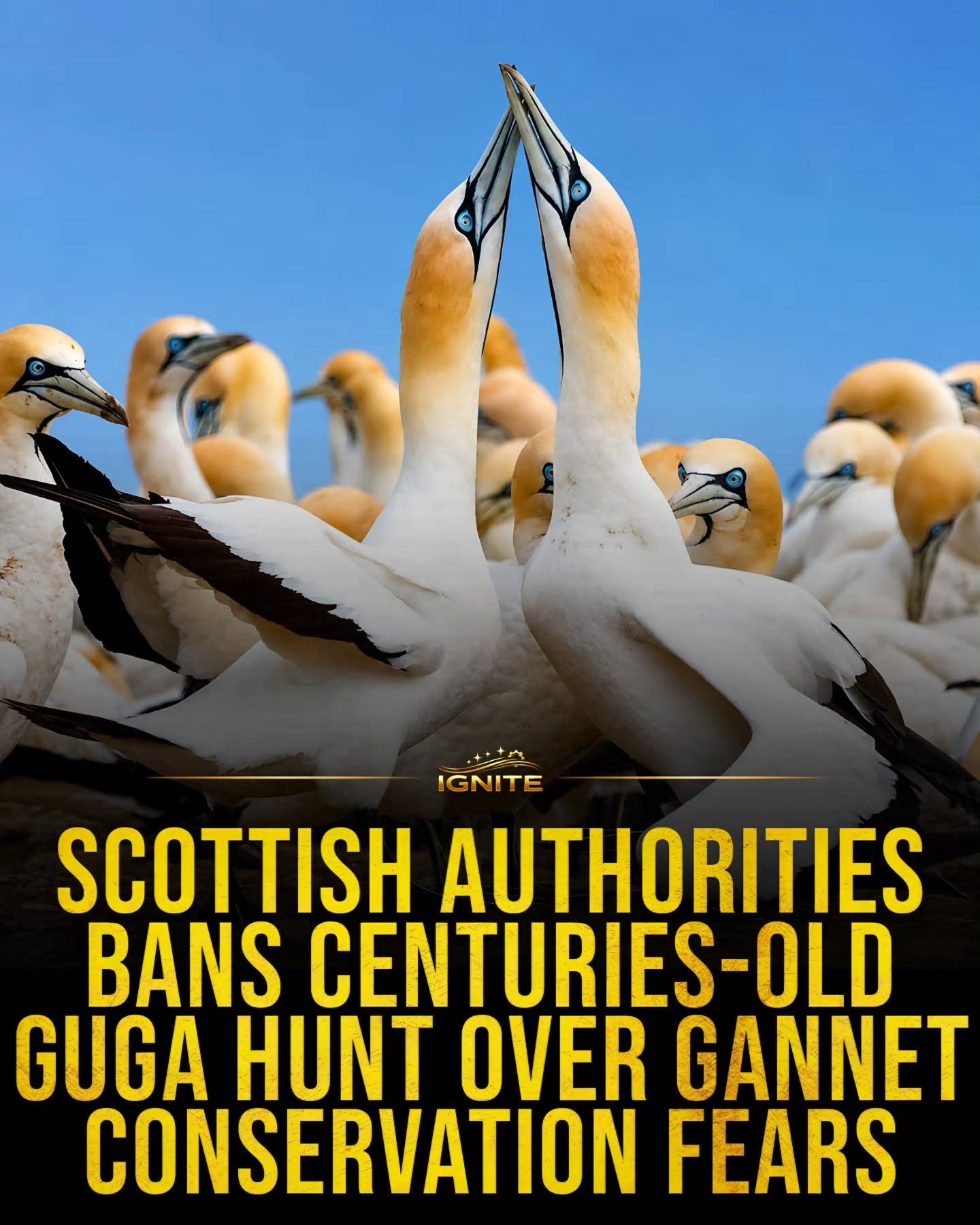
The Gannet Conservation and the Pause of the Guga Hunt
The centuries-old Guga Hunt in the UK has been a staple of local heritage for nearly 500 years. However, recent conservation concerns have led to a significant change. Scottish authorities have banned the hunt, which has sparked debate between tradition and wildlife preservation.
Why this matters
The Guga Hunt is more than just a hunt; it is a cultural tradition that has been passed down through generations. For many locals, the hunt is a vital part of their cultural heritage, representing strength, resilience, and a deep connection to the land and sea. However, the recent pause of the hunt due to conservation concerns highlights a critical intersection between tradition and the natural world.
The Guga Hunt and its significance
A centuries-old tradition
The Guga Hunt is a yearly event where hunters travel 64km across rough seas to the remote island of Sula Sgeir to hunt young gannets for food. This tradition has been a part of local heritage for nearly 500 years, and it's deeply rooted in the cultural fabric of the region.
The hunt is not just about securing food; it's about preserving a way of life. The journey to Sula Sgeir is fraught with danger, and the hunt itself requires skill, courage, and endurance. The tradition has been passed down through generations, with each year's hunt serving as a rite of passage for the local community.
The impact of bird flu
This year, however, the centuries-old tradition has been halted. Bird flu has devastated the gannet population, and Scottish authorities have refused to issue a hunting licence due to conservation concerns. The ban has been met with mixed reactions, with animal rights groups welcoming the decision and many locals expressing sadness at the pause of their cherished tradition.
Scottish authorities' decision
The decision by Scottish authorities to ban the hunt is a significant step in conserving the gannet population. The gannets of Sula Sgeir are vital to the ecosystem, and their conservation is essential for maintaining biodiversity. The ban on the hunt demonstrates a commitment to preserving the natural world, even if it means pausing a long-standing tradition.
Local reactions
For many locals, the pause of the hunt is a blow to their cultural heritage. The Guga Hunt is more than just a hunt; it's a connection to their ancestors and a sense of identity. Many locals feel that their way of life is being threatened, and they are concerned that this pause could lead to the fading away of their cultural heritage.
Conservation concerns and the future of the Guga Hunt
Balancing tradition and conservation
The future of the Guga Hunt is uncertain, but it's clear that a balance must be struck between tradition and conservation. The hunt has been a vital part of local heritage for centuries, but it's equally important to preserve the natural world. Some locals suggest that the hunt could be temporarily suspended while the gannet population recovers, while others advocate for finding a way to continue the tradition in a way that is sustainable for the gannet population.
The role of animal rights groups
Animal rights groups have welcomed the decision to ban the hunt, but they also recognize the cultural significance of the tradition. Some groups suggest that a compromise could be reached, such as implementing stricter regulations on the hunt or finding alternative ways for locals to maintain their connection to the tradition.
The potential for sustainable practices
The pause of the Guga Hunt presents an opportunity to explore sustainable practices. Locals could work with conservationists to develop a plan that allows the hunt to continue in a way that doesn't harm the gannet population. This could involve implementing stricter regulations, limiting the number of birds that can be hunted, or finding alternative ways to preserve the tradition.
Practical tips for supporting conservation efforts
Engage with local communities
One of the best ways to support conservation efforts is to engage with local communities. This could involve listening to their concerns, understanding their cultural heritage, and working together to find solutions that work for both the community and the natural world.
Support sustainable practices
Supporting sustainable practices is crucial for preserving the natural world. This could involve advocating for policies that promote sustainable hunting, agriculture, and fishing, as well as supporting local initiatives that prioritize conservation.
Raise awareness
Raising awareness about the importance of conservation is another key way to support efforts. This could involve sharing information about the Guga Hunt and the importance of gannet conservation, as well as encouraging others to take action.
Important takeaways
The pause of the Guga Hunt due to conservation concerns is a complex issue that involves balancing tradition and the natural world. While many locals are saddened to see the centuries-old tradition paused, it's essential to recognize the importance of preserving the gannet population.
The future of the Guga Hunt is uncertain, but it's clear that a balance must be struck between tradition and conservation. This could involve exploring sustainable practices, engaging with local communities, and supporting policies that promote conservation.
Conclusion
The Guga Hunt is a cherished tradition that has been a part of local heritage for nearly 500 years. However, recent conservation concerns have led to a significant change, with Scottish authorities banning the hunt due to the devastating impact of bird flu on the gannet population.
While many locals are saddened to see the tradition paused, it's essential to recognize the importance of preserving the natural world. The future of the Guga Hunt is uncertain, but it's clear that a balance must be struck between tradition and conservation.
Questions readers ask
What is the Scottish Guga Hunt and why is it significant?
The Scottish Guga Hunt is an annual tradition where locals harvest young gannets from remote Scottish islands. It is significant because it has been a part of local heritage for nearly 500 years, symbolizing cultural resilience and connection to the land and sea.
Why have Scottish authorities temporarily halted the Guga Hunt?
Scottish authorities have imposed a ban on the Guga Hunt due to concerns about bird flu and the need for gannet conservation. The ban aims to protect both the gannet population and public health.
How has the local community reacted to the ban on the Guga Hunt?
The ban has sparked debate within the local community. Some view it as a necessary step for protecting wildlife, while others see it as a threat to their cultural heritage and traditional way of life.
What are the conservation concerns surrounding the Guga Hunt?
Conservation concerns include the potential impact on the gannet population, which is at risk due to factors such as bird flu. The hunt may disrupt the birds' breeding cycles, further threatening their numbers.
Are there alternative methods to the Guga Hunt for preserving Scottish traditions?
While the Guga Hunt is a unique tradition, there are other ways to preserve Scottish cultural heritage. Some alternatives could include promoting other local customs, encouraging sustainable fishing practices, and fostering a deeper understanding of the natural world among future generations.
How does the ban on the Guga Hunt align with broader Scottish wildlife protection efforts?
The ban on the Guga Hunt aligns with broader efforts in Scotland to protect wildlife and promote sustainable practices. It reflects a growing recognition of the need to balance cultural practices with the preservation of the natural environment.
What steps are being taken to address the concerns of the local community regarding the Guga Hunt ban?
While specific steps may vary, addressing the concerns of the local community often involves open dialogue, seeking alternative traditions, and exploring ways to integrate conservation efforts with cultural practices. This can help ensure that both the natural world and local heritage are respected and preserved.
Recent articles
Fresh deep dives from the latest Reels we unpacked.




Comments
Be the first to comment.