Scotland's 'Treenis' Forest
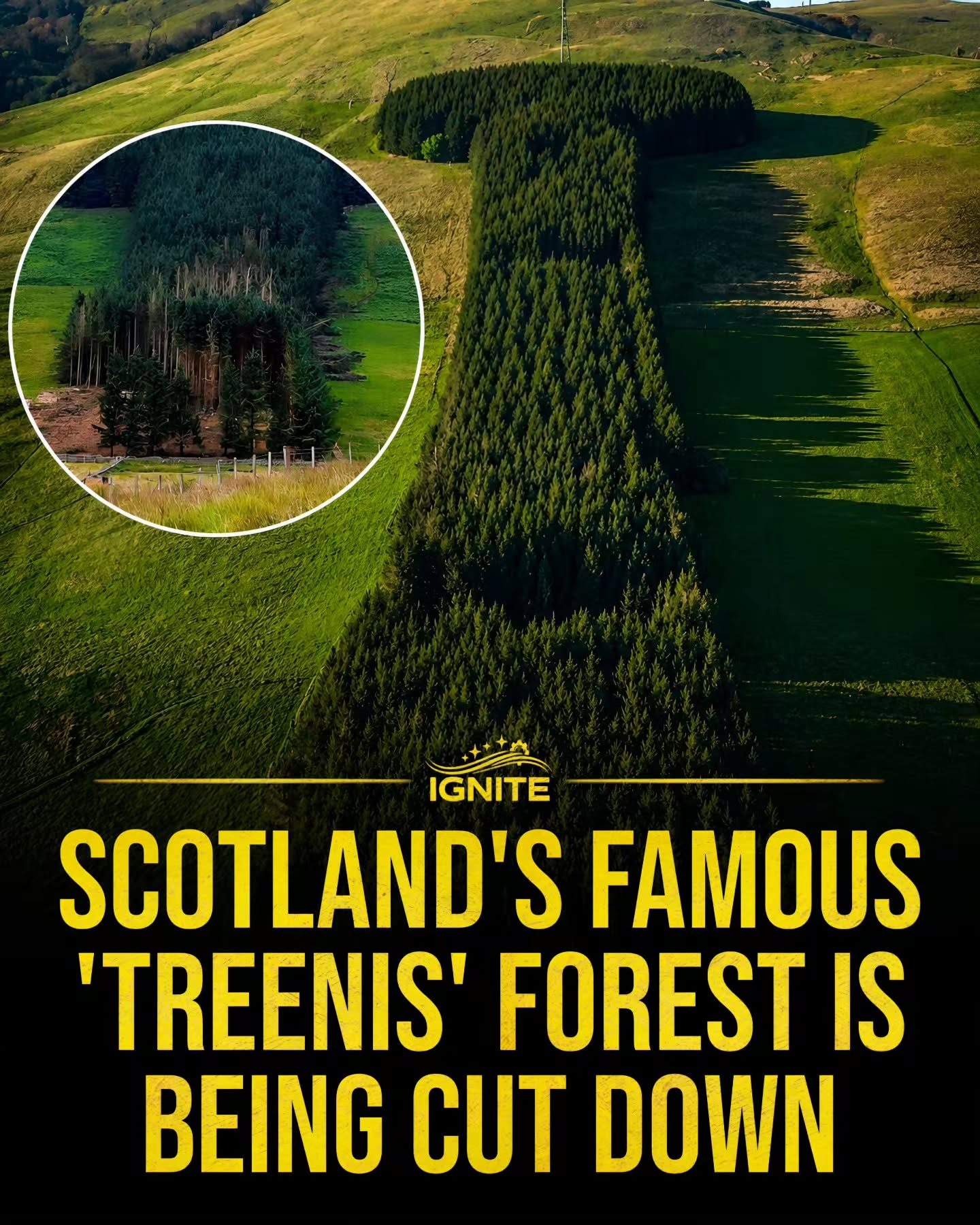
Scotland’s distinctive 'Treenis' forest, a unique woodland located near Crawford, is currently facing a significant change. This forest, known for its unusual phallic shape, has stood for approximately 150 years. However, despite its status as a beloved and iconic landmark, it is now being cleared after reaching the end of its forestry cycle.
Context
The Forest's Fate
The clearing of the 'Treenis' forest has sparked considerable controversy and public outcry. More than 2,500 people signed a petition to save the forest, highlighting its cultural and environmental significance. The forest's distinctive shape has made it a subject of interest and admiration for many, and its impending demise has left many wondering whether it will ever regrow in the same form.
Why This Matters
The fate of the 'Treenis' forest raises important questions about forest management, environmental conservation, and the impact of human intervention on natural landscapes. The forest's unique shape and longstanding presence have made it a symbol of natural curiosity and a local landmark that holds considerable sentimental value for many.
The Forest's Unique Features
Shape and Size
The 'Treenis' forest is renowned for its phallic shape, which has become a defining feature of the woodland. This unique formation has made it a popular subject for photographers and visitors alike. The forest's distinctive shape has not only made it a regional curiosity but has also contributed to its popularity as a tourist destination.
Historical Context
The 'Treenis' forest has been a part of the local landscape for around 150 years. Its longstanding presence has made it an integral part of the area's natural heritage. The forest's unique shape and age have contributed to its cultural significance, making it a beloved landmark for locals and visitors.
Environmental and Cultural Implications
Forestry Cycles and Management
The clearing of the 'Treenis' forest is part of its forestry cycle, which involves the periodic harvesting of trees to manage the forest's health and sustainability. This process is essential for maintaining the forest's ecosystem, but it also means that the forest's distinctive shape may not be preserved.
Public Reaction and Petitions
The announcement of the forest's clearing sparked a public outcry, leading to the launch of a petition to save the 'Treenis' forest. The petition, which garnered over 2,500 signatures, highlighted the forest's cultural and environmental significance and called for its preservation. However, despite the public's efforts, the felling has begun.
Practical Tips for Conservation Efforts
Supporting Local Initiatives
Supporting local conservation efforts is a practical way to contribute to the preservation of unique natural landscapes. Engaging with local initiatives, such as petitions and conservation groups, can help raise awareness and mobilize action towards protecting natural heritage sites.
Raising Awareness
Raising awareness about the significance of natural landmarks can help garner support for their preservation. Sharing information about the 'Treenis' forest and similar sites on social media and through community events can help build a broader understanding of their importance.
Engaging with Authorities
Engaging with local authorities and forestry management teams can provide a platform for discussing the importance of preserving unique natural landscapes. Sharing petitions and other forms of public support can influence decision-making processes and potentially lead to the preservation of sites like the 'Treenis' forest.
Important Takeaways
- The 'Treenis' forest's unique shape has made it a beloved landmark and cultural symbol.
- The clearing of the forest, part of its forestry cycle, has sparked controversy and public outcry.
- More than 2,500 people signed a petition to save the forest, highlighting its cultural and environmental significance.
- The forest's distinctive shape may not regrow in the same form, raising questions about its future.
The debate surrounding the 'Treenis' forest serves as a reminder of the importance of balancing environmental conservation with forestry management practices.
Conclusion
The clearing of the 'Treenis' forest near Crawford, Scotland, represents a significant loss to the region's natural and cultural heritage. While the forest's unique shape and longstanding presence have made it a beloved landmark, its impending demise underscores the challenges of preserving natural landscapes in the face of forestry cycles and management practices. The public outcry and the petition to save the forest highlight the importance of community engagement and awareness in conservation efforts. As the 'Treenis' forest faces its fate, it serves as a poignant reminder of the delicate balance between nature and human intervention.
Questions readers ask
What makes the 'Treenis' forest unique and notable?
The 'Treenis' forest is renowned for its distinctive phallic shape, which has made it a recognizable landmark in Scotland. Its unusual form, combined with a history spanning over 150 years, has contributed to its cultural significance and public recognition, making it one of Scotland's famous landmarks.
Why is the 'Treenis' forest being cleared?
The 'Treenis' forest is being cleared because it has reached the end of its forestry cycle. This process involves removing trees that have reached maturity, which is a common practice in forest management to promote new growth and maintain the health of the forest.
What has been the public response to the clearing of the 'Treenis' forest?
The decision to clear the 'Treenis' forest has sparked controversy and public outcry, with over 2,500 people signing a petition to save it. The petition highlights the forest's cultural and environmental significance, reflecting the public's desire to preserve this iconic Scottish landmark.
What is the significance of the petition to save the 'Treenis' forest?
The petition to save the 'Treenis' forest demonstrates the public's attachment to this iconic landmark and their concern about its destruction. By signing the petition, individuals are expressing their desire to preserve the forest's distinctive shape and rich history, as well as to promote environmental conservation in Scotland.
What are the implications of the forest felling controversy surrounding the 'Treenis' forest?
The controversy surrounding the felling of the 'Treenis' forest raises important questions about forest management practices and the balance between economic interests and environmental preservation. It also highlights the need for public engagement in decisions that affect Scotland's natural heritage and iconic landmarks.
What is the history of the 'Treenis' forest, and why is it considered a cultural treasure?
The 'Treenis' forest has a rich history, standing for approximately 150 years. Its unique shape and cultural significance have made it a beloved landmark in Scotland. The forest's impending destruction has sparked discussions about the importance of preserving Scotland’s natural and cultural treasures.
Related deep dives
Similar reads based on topic and creator.




Recent articles
Fresh deep dives from the latest Reels we unpacked.



Comments
Be the first to comment.