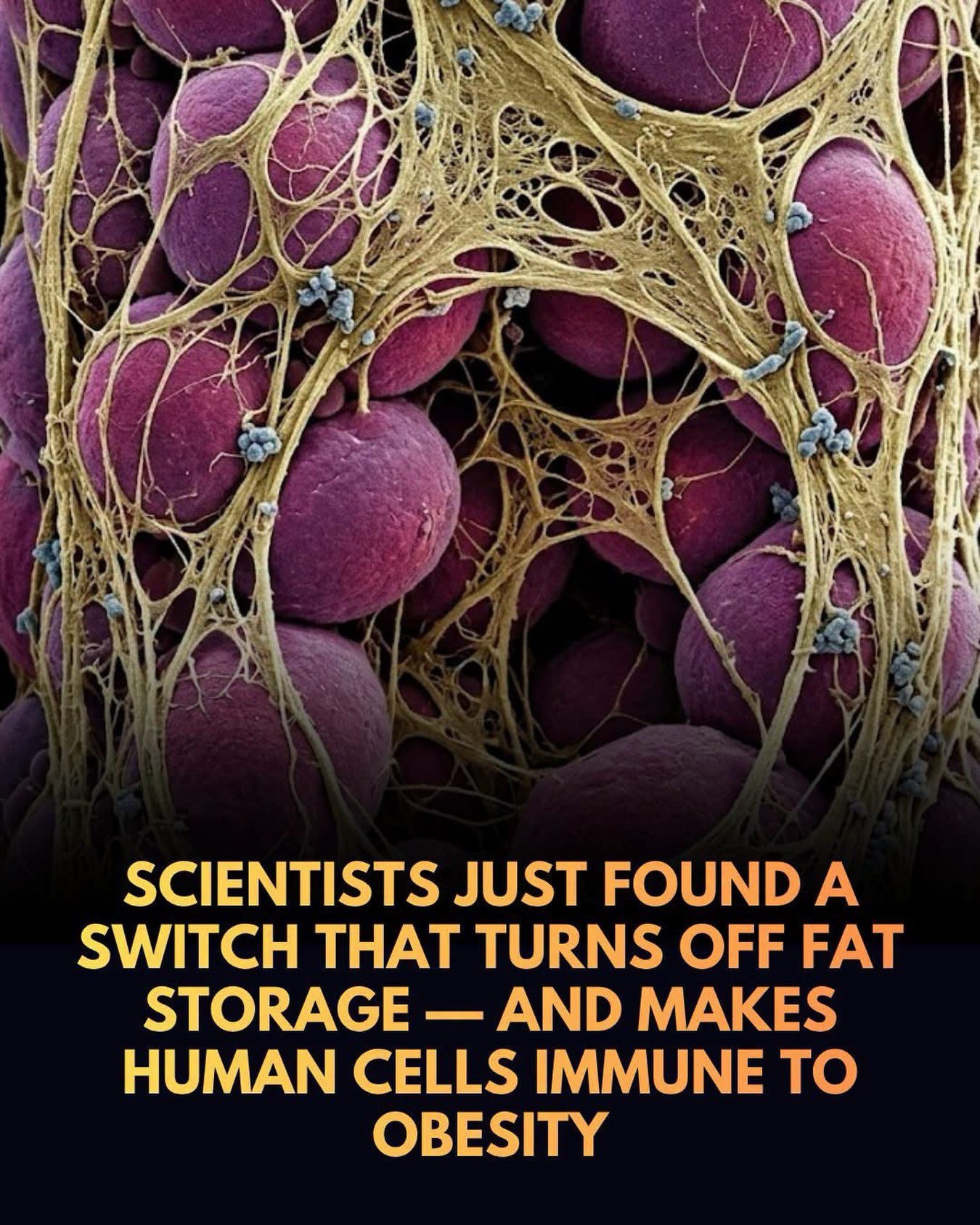
The Discovery of MTCH2: A New Approach to Combat Obesity
The discovery of the MTCH2 protein, nicknamed ‘Mitch,’ at the Weizmann Institute of Science presents a groundbreaking approach to obesity treatment. Unlike traditional weight-loss medications, this protein holds the potential to prevent weight gain while preserving muscle mass.
Context: Why This Matters
Obesity is a global health crisis, affecting millions of people worldwide. Traditional weight-loss methods, such as GLP-1 agonists, often lead to the loss of lean muscle mass, which is crucial for overall health and metabolism. The discovery of MTCH2 offers a novel solution that targets fat storage directly, potentially providing a more effective and sustainable way to manage obesity.
The Science Behind MTCH2
What is MTCH2?
MTCH2, or ‘Mitch,’ is a protein that acts as a metabolic gatekeeper within our cells. Its primary function is to regulate the balance between energy production and storage. When activated, it helps cells efficiently convert energy from food, but it also contributes to fat deposition.
The Role of Mitochondria
Mitochondria are often referred to as the "powerhouses" of the cell because they generate energy in the form of adenosine triphosphate (ATP). Normally, mitochondria fuse together to maximize energy production. However, when MTCH2 is silenced, this fusion process is disrupted, causing the mitochondrial network to separate. This separation forces the cells to seek more fuel, leading to an accelerated burning of fats and carbohydrates.
How Silencing MTCH2 Works
Researchers at the Weizmann Institute of Science conducted groundbreaking studies on mice that lacked the MTCH2 protein. These mice showed remarkable resistance to obesity and were exceptionally athletic. Building on these insights, the researchers used genetic engineering to silence the MTCH2 protein in human cells. By doing so, they triggered a state of heightened cellular energy demand, leading to the rapid and permanent burning of fats and carbohydrates. This metabolic shift not only aids in weight loss but also prevents the development of new fat cells, effectively making the human cells immune to obesity.
Practical Implications
The discovery of MTCH2's role in obesity holds significant practical implications for future weight management strategies:
Next-Generation Obesity Therapies
The research suggests a promising pathway for developing next-generation obesity therapies. By targeting the MTCH2 protein, it may be possible to create treatments that directly address fat storage while sparing or even strengthening muscle tissue. This dual approach could offer a more holistic solution to obesity, improving both metabolic health and overall well-being.
Potential Medical Applications
Beyond weight management, the findings could have broader medical applications. For instance, understanding the role of MTCH2 in cellular energy metabolism could pave the way for new treatments for metabolic disorders, including diabetes and cardiovascular diseases. By fine-tuning the protein's activity, researchers might be able to develop therapies that enhance metabolic efficiency and reduce the risk of chronic diseases associated with metabolic dysfunction.
Important Takeaways
The discovery of the MTCH2 protein offers a promising new direction in the fight against obesity. Key takeaways include:
- Metabolic Gatekeeper: MTCH2 regulates the balance between energy production and storage, making it a critical player in fat storage.
- Mitochondrial Disruption: Silencing MTCH2 disrupts mitochondrial fusion, leading to a heightened demand for energy and accelerated fat burning.
- Muscle Preservation: Unlike traditional weight-loss methods, targeting MTCH2 spares muscle mass while promoting fat loss.
- Immune to Obesity: By inhibiting the development of new fat cells, MTCH2 silencing can make cells resistant to obesity.
Conclusion
The discovery of the MTCH2 protein represents a significant advancement in our understanding of obesity and metabolic health. By targeting this protein, researchers have opened a new avenue for developing treatments that address the root causes of obesity, potentially leading to more effective and sustainable weight management strategies. As this research progresses, it holds the promise of transforming the way we approach obesity and related metabolic disorders, offering hope for a healthier future.
Questions readers ask
What is the MTCH2 protein and why is it significant for obesity treatment?
The MTCH2 protein, also known as ‘Mitch,’ is a recently identified protein that plays a crucial role in how cells handle and store energy. Its significance lies in its potential to prevent weight gain by specifically targeting fat storage, making it a promising candidate for obesity treatment.
How does MTCH2 differ from traditional weight-loss medications?
Unlike traditional weight-loss medications, which often result in the loss of lean muscle mass, MTCH2 aims to prevent weight gain while preserving muscle. This approach could offer a more comprehensive and sustainable solution to managing obesity by focusing on fat storage without compromising muscle.
What role does MTCH2 play in the body's energy storage and metabolism?
MTCH2 is believed to control how cells convert and store energy. By regulating this process, it can potentially direct the body to store less fat, which is beneficial for those struggling with weight management. This mechanism makes MTCH2 a key player in metabolic energy control.
Why is preserving muscle mass important in obesity treatment?
Preserving muscle mass is vital because muscle plays a crucial role in overall health and metabolism. Traditional weight-loss methods often lead to muscle loss, which can slow down metabolism and make it harder to maintain a healthy weight. MTCH2’s ability to prevent weight gain without losing muscle makes it a promising new obesity treatment.
What are the potential benefits of targeting fat storage directly, as MTCH2 does?
By targeting fat storage directly, MTCH2 offers a more precise approach to weight management. This could lead to more effective and sustainable results, as it addresses the root cause of obesity without the side effects associated with losing lean muscle mass. This targeted approach could revolutionize obesity research and treatment methods.
What does the discovery of MTCH2 mean for the future of obesity research?
The discovery of MTCH2 opens new avenues for obesity research. It provides a novel pathway to explore in the development of new treatments, focusing on how the body manages and stores energy. This breakthrough could lead to innovative therapies that offer a more balanced and effective approach to obesity management.
What makes the discovery of MTCH2 at the Weizmann Institute of Science notable?
The discovery of MTCH2 at the Weizmann Institute of Science is notable because it offers a new direction in obesity treatment. By identifying a protein that can control fat storage and prevent weight gain without muscle loss, researchers have uncovered a potential game-changer in the field. This discovery could lead to better, more targeted solutions for those affected by obesity.
Related deep dives
Similar reads based on topic and creator.


Recent articles
Fresh deep dives from the latest Reels we unpacked.




Comments
Be the first to comment.