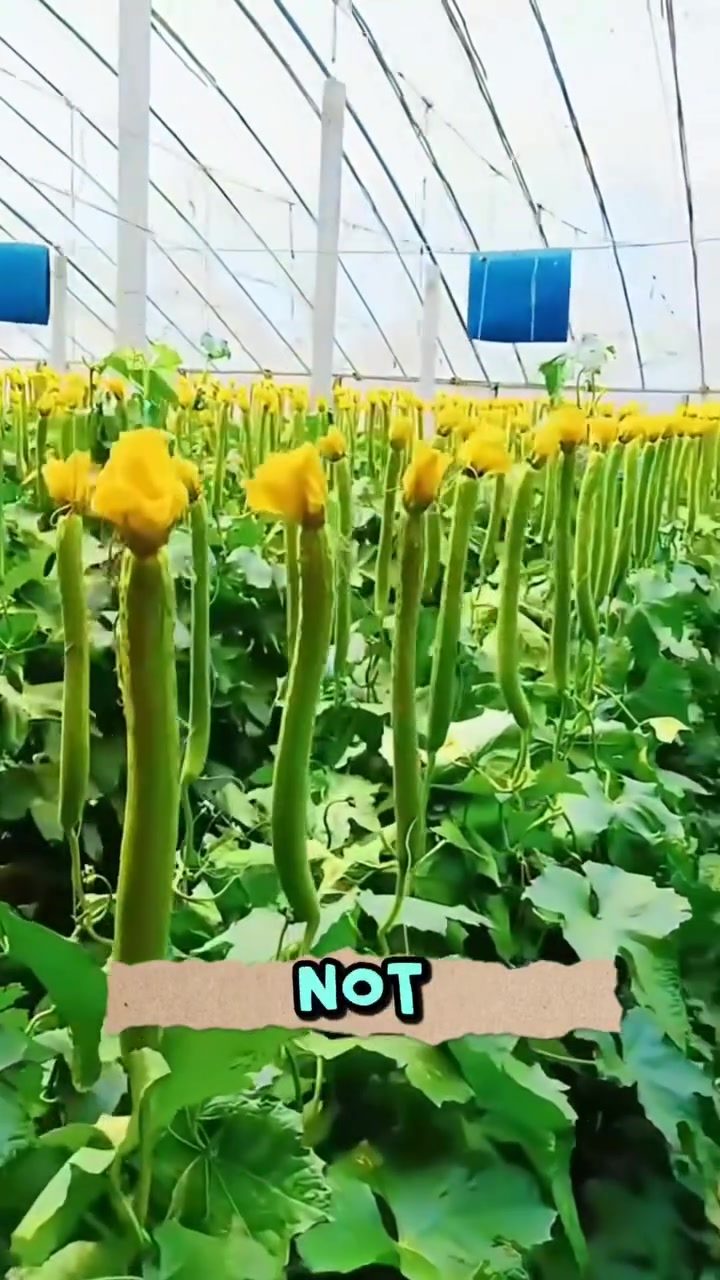
Loofah Farming: Why Cucumbers Are Grown Upside Down
Loofahs, those natural sponges often found in bathrooms and kitchens, have a unique growing method that ensures they are perfectly straight and uniform. This method involves growing them upside down, a practice that might seem counterintuitive but has significant benefits for farmers. Understanding this technique provides insight into the agricultural practices that enhance both the quality and marketability of loofahs.
The Science Behind Upside-Down Loofah Growing
Natural Growth Patterns
When loofahs grow naturally, one side may receive more sunlight and nutrients than the other. This imbalance in exposure causes uneven growth, resulting in a curved fruit. Curved loofahs are less desirable in the market because they do not have the uniform shape that consumers and retailers prefer.
Addressing Uneven Growth
Farmers initially addressed this issue by attaching small weights to the bottom of the loofah fruit. This method pulled the fruit downward, helping it grow straighter. However, this solution was not without its limitations. It was a temporary fix that did not always yield the desired results.
The Discovery of a Better Method
Through experimentation, farmers discovered a more effective method: suspending the loofah fruit upside down. By tying the tip of the loofah to a rope and allowing it to hang straight down, gravity pulls evenly on the entire fruit. This even distribution of gravity helps the loofah grow straighter, improving its overall shape and uniformity.
The Benefits of Upside-Down Growing
Improved Uniformity
The upside-down hanging method ensures that all sides of the loofah receive equal exposure to sunlight. This uniform exposure promotes even growth, resulting in a more symmetrical and visually appealing fruit. The consistency in shape and color makes these loofahs more marketable and valuable.
Enhanced Nutrient Flow
The even distribution of gravity also improves nutrient flow within the fruit. This balanced nutrient distribution helps in developing a healthier and more robust loofah, which is not only visually appealing but also more durable and effective for its intended uses.
Greater Quality and Appearance
By using this method, farmers can significantly enhance the quality and appearance of their loofah harvest. The straight, uniform loofahs are not only more attractive to consumers but also fetch a higher price in the market. This simple yet effective technique has become a cornerstone of modern loofah farming practices.
Practical Tips for Growing Loofahs Upside Down
Preparation and Equipment
To start growing loofahs upside down, you need a few essential pieces of equipment: ropes, sturdy supports, and a bit of patience.
- Choosing the Right Rope: Select a durable rope that can withstand the weight of the growing loofah. A nylon or polypropylene rope is ideal for this purpose.
- Setting Up Supports: Install sturdy supports in your greenhouse or outdoor garden where the loofah plants will be grown. These supports should be high enough to allow the loofah to hang freely without touching the ground.
- Preparing the Soil: Ensure that the soil is well-drained and rich in nutrients. Loofah plants require ample sunlight and water, so choose a location that meets these criteria.
The Hanging Process
- Tying the Rope: As soon as the loofah fruit begins to form, tie one end of the rope to the tip of the fruit. The other end should be secured to the support structure.
- Adjusting the Length: Adjust the length of the rope to ensure that the loofah hangs straight down without any bends or curves. Monitor the growth regularly and make necessary adjustments to maintain the desired shape.
- Regular Maintenance: Check the rope and supports periodically to ensure they are secure and not causing any damage to the plant or fruit. Remove any weeds or pests that may hinder the growth of the loofah.
Important Takeaways
Upside-down loofah growing is a practical and effective method that addresses the natural tendency of loofahs to grow unevenly. By hanging the fruit upside down, farmers can achieve a straighter, more uniform shape, which enhances both the quality and marketability of the loofah. This technique is not only simple to implement but also yields significant benefits in terms of fruit uniformity, nutrient distribution, and overall appearance.
Conclusion
The practice of growing loofahs upside down is a testament to the ingenuity of farmers in adapting to the natural growth patterns of crops. By understanding and implementing this method, growers can produce high-quality loofahs that meet market demands and fetch better prices. Whether you are a seasoned farmer or a hobbyist gardener, adopting this technique can greatly improve your loofah harvest and make your gardening efforts more rewarding.
Questions readers ask
Why are loofahs grown upside down?
Loofahs are grown upside down to promote even growth and straightness. This unusual method ensures that the loofah fruits receive uniform sunlight and nutrient distribution, which is crucial for their marketability and aesthetic appeal.
How does the upside-down technique benefit loofah plants?
The upside-down technique prevents the loofahs from bending due to gravity, which can result in curved, misshapen fruits. By hanging them upside down, farmers can produce loofahs that are straight, uniform, and more appealing to consumers.
Is it difficult to start growing loofahs upside down for beginners?
While it may seem unconventional, hanging loofah plants upside down is not overly complicated. With proper support and care, even beginners can successfully implement this technique to improve the quality and straightness of their loofah harvest.
What are the benefits of using the upside-down loofah hanging technique?
The upside-down loofah hanging technique enhances the overall quality of the loofahs by preventing curvature and promoting uniform growth. This method also helps in optimizing space, as the plants are vertically suspended and supported by trellises or stakes.
How does the upside-down technique affect the loofah cultivation process?
The upside-down technique influences the loofah cultivation process by ensuring that the fruits develop straight and uniform. This method requires careful management of the plant's growth direction and consistent monitoring to maintain the loofahs' orientation.
Can I modify my existing garden to accommodate upside-down loofah growing?
Yes, you can modify your existing garden to accommodate upside-down loofah growing by installing sturdy trellises or support structures. These structures should be able to bear the weight of the growing loofahs and keep them properly oriented as they develop.
What are some essential loofah farming tips for achieving naturally straight loofahs?
To achieve naturally straight loofahs, ensure that the plants are well-supported and consistently maintained in an upside-down position. Additionally, monitor the loofahs for any signs of uneven growth and make necessary adjustments to support structures to promote straightness.
Related deep dives
Similar reads based on topic and creator.


Recent articles
Fresh deep dives from the latest Reels we unpacked.




Comments
Be the first to comment.