Yawning: The Science Behind the Contagious Reflex
Yawning is a common human behavior that occurs daily, yet its exact purpose remains a mystery. One intriguing aspect of yawning is its contagious nature. But did you know that simply reading or hearing the word "yawn" can trigger this reflex in many people? Let's explore the science behind this phenomenon and why it matters.
Context / Why this matters
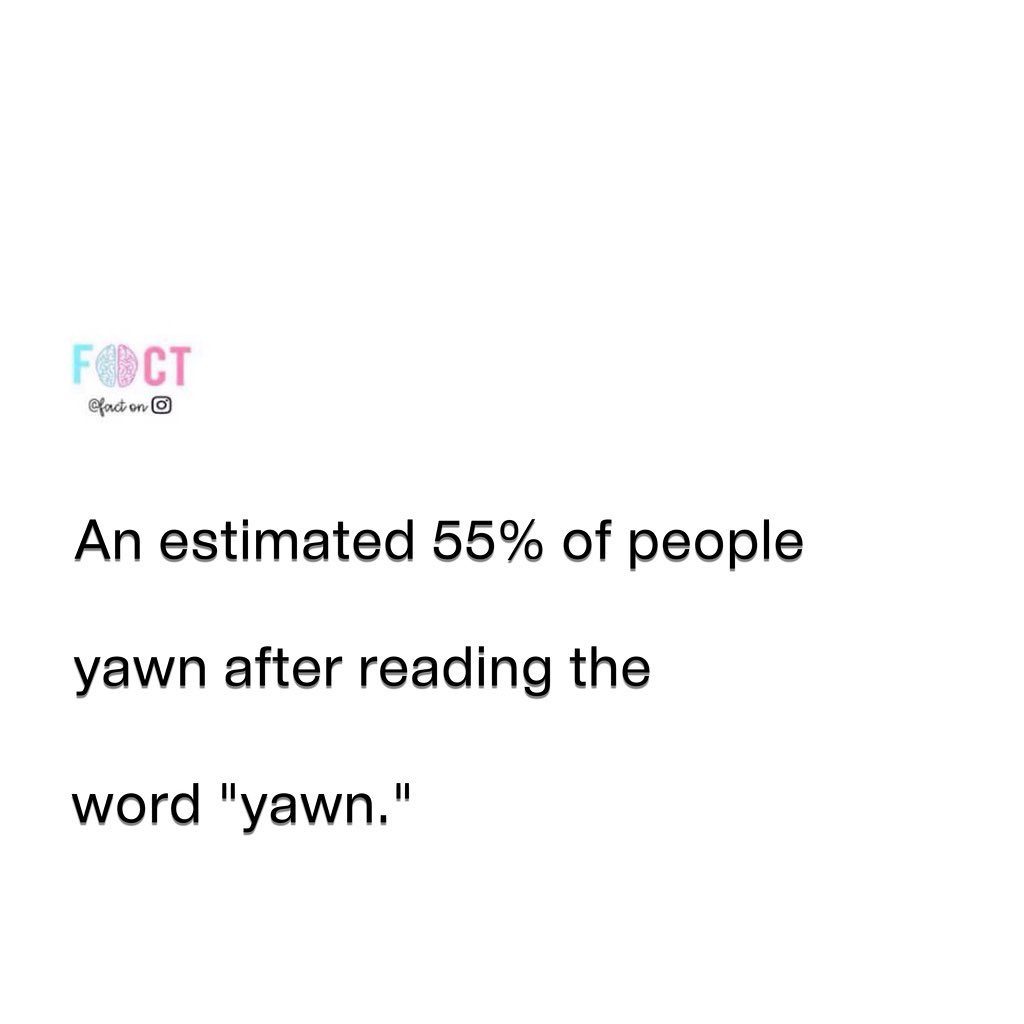
Understanding the mechanics and triggers of yawning can provide insights into various physiological and psychological processes. It can also shed light on social dynamics and communication methods. The fact that 55% of people yawn after reading or hearing the word "yawn" highlights the power of suggestion and the subconscious mind. This information can be useful in various fields, from psychology to neurology, and even in everyday social interactions.
Main discussion
The Contagious Nature of Yawning
Yawning is often contagious, meaning that seeing, hearing, or even thinking about yawning can cause others to yawn. This contagious yawning is thought to be a result of empathy and social bonding. When we observe someone else yawning, our brains mimic the action, which can trigger our own yawning reflex. This phenomenon is more prevalent among people who have strong social connections, such as family members or close friends.
However, the contagious nature of yawning extends beyond social bonds. Reading or hearing the word "yawn" can also induce this reflex in many people. This suggests that the brain's response to yawning is not solely based on visual cues but also on linguistic and auditory stimuli.
The Science Behind Contagious Yawning
The exact mechanisms behind contagious yawning are not fully understood, but several theories offer potential explanations. One prominent theory involves the concept of "mirror neurons." These neurons activate both when an individual performs an action and when they observe the same action performed by others. Mirror neurons are believed to play a crucial role in empathy, imitation, and social cognition.
When we see, hear, or read about yawning, the mirror neurons in our brains may activate, mimicking the action and triggering our own yawning reflex. This process is thought to be unconscious and automatic, explaining why yawning can be so contagious.
The Role of the Brain
Studies using brain imaging techniques have identified specific regions of the brain that are active during yawning. These regions include the frontal cortex, which is involved in cognitive functions, and the brainstem, which controls basic physiological functions such as breathing and heart rate. The activation of these areas suggests that yawning is a complex process involving multiple brain regions and functions.
Research has also shown that the brain's response to yawning can be influenced by various factors, including fatigue, stress, and emotions. For example, people who are tired or stressed may be more likely to yawn in response to seeing, hearing, or reading about yawning. This indicates that the contagious nature of yawning is not just a result of mirror neurons but also a reflection of the brain's overall state and cognitive processes.
Psychological and Social Aspects
The contagious nature of yawning has psychological and social implications. It can serve as a non-verbal cue for empathy and social bonding, helping to strengthen relationships and foster a sense of connection. Contagious yawning may also play a role in social contagion, where behaviors, emotions, and thoughts are transmitted from one person to another.
Understanding the mechanisms behind contagious yawning can provide valuable insights into the workings of the human brain and the nature of social interactions. It can also help in developing strategies to manage and control yawning in various situations, such as during important meetings or presentations.
Practical tips
Managing Contagious Yawning
While contagious yawning is a natural and often involuntary response, there are several strategies you can use to manage it in various situations:
-
Recognize Triggers: Be aware of the triggers that can induce yawning, such as reading or hearing the word "yawn." By recognizing these triggers, you can better prepare yourself and take proactive measures to control your response.
-
Distract Yourself: Engaging in a different activity or focusing on something else can help divert your attention away from the yawning trigger. This can reduce the likelihood of yawning and allow you to maintain your composure.
-
Practice Mindfulness: Mindfulness techniques, such as deep breathing or meditation, can help you stay calm and focused. These practices can also enhance your ability to control your body's automatic responses, including yawning.
-
Stay Hydrated and Well-Rested: Fatigue and dehydration can make you more susceptible to yawning. Ensuring you get enough sleep and stay hydrated can help reduce the frequency and intensity of yawning.
Important takeaways
Yawning is a complex and fascinating phenomenon that involves multiple brain regions and cognitive processes. The fact that 55% of people yawn after reading or hearing the word "yawn" highlights the power of suggestion and the subconscious mind. Understanding the science behind contagious yawning can provide valuable insights into the workings of the human brain and the nature of social interactions. By recognizing the triggers and employing practical strategies, you can better manage yawning in various situations.
Conclusion
Yawning is more than just a physiological reflex—it is a window into the complex interplay of the mind and body. Whether triggered by visual, auditory, or linguistic cues, yawning offers a glimpse into the intricacies of human behavior and social dynamics. By exploring the science behind this contagious reflex, we can gain a deeper understanding of our own physiological responses and the ways in which we interact with others. So the next time you find yourself yawning after reading about it, remember that you are part of a fascinating and universal human experience.
Questions readers ask
Why does reading or hearing the word 'yawn' make me yawn?
The phenomenon occurs due to the power of suggestion and the subconscious mind. When you see or hear the word, your brain associates it with yawning and can trigger the reflex. This is why simply reading or hearing the word 'yawn' can make you yawn.
Is yawning contagious, and why?
Yes, yawning is contagious. This is due to a process of mirroring, where we subconsciously imitate the actions of others. Seeing, hearing, or even thinking about someone yawning can trigger your own reflex to yawn.
What percentage of people experience this yawning reflex from reading the word 'yawn'?
Around 55% of people yawn after reading or hearing the word 'yawn.' This statistic highlights the strong connection between the power of suggestion and the subconscious mind.
Can yawning be controlled if it is triggered by reading?
Controlling a yawning reflex triggered by reading the word can be challenging. Since it's an automatic response, it might not be possible to completely suppress the yawn. However, being aware of the trigger might help you prepare for the reaction.
Does yawning serve any purpose or is it just a reflex?
While the exact purpose of yawning is still debated, it is believed to play a role in regulating brain temperature, increasing alertness, and promoting social bonding. It is likely a combination of these factors rather than a single, specific purpose.
Why do we mimic yawning from hearing the word 'yawn' but not other actions like 'clapping' or 'smiling'?
Yawning is believed to be a more involuntary and automatic response than other actions like clapping or smiling. It is tightly linked to our subconscious processes, making it easier to involuntarily mimic.
Related deep dives
Similar reads based on topic and creator.


Recent articles
Fresh deep dives from the latest Reels we unpacked.




Comments
Be the first to comment.