Sandbag Construction in Iran: A Cost-Effective Solution for Harsh Climates
Have you ever wondered why some people in Iran build houses out of sandbags instead of using traditional bricks? The answer lies in the unique challenges and resource constraints of the region. For many families, bricks are simply too expensive, and the scarcity of good clay for brickmaking in the dry, semi-desert areas of rural Iran makes sandbags a viable alternative. This innovative construction method not only addresses economic constraints but also leverages the natural materials available in the environment.
Why This Matters
In regions where traditional building materials are scarce or expensive, innovative solutions like sandbag construction can make a significant difference. This method not only reduces costs but also provides a sustainable and efficient way to build homes that can withstand harsh desert climates. Understanding the benefits and techniques of sandbag construction can offer valuable insights for anyone interested in alternative building methods.
The Basics of Sandbag Construction
Materials and Costs
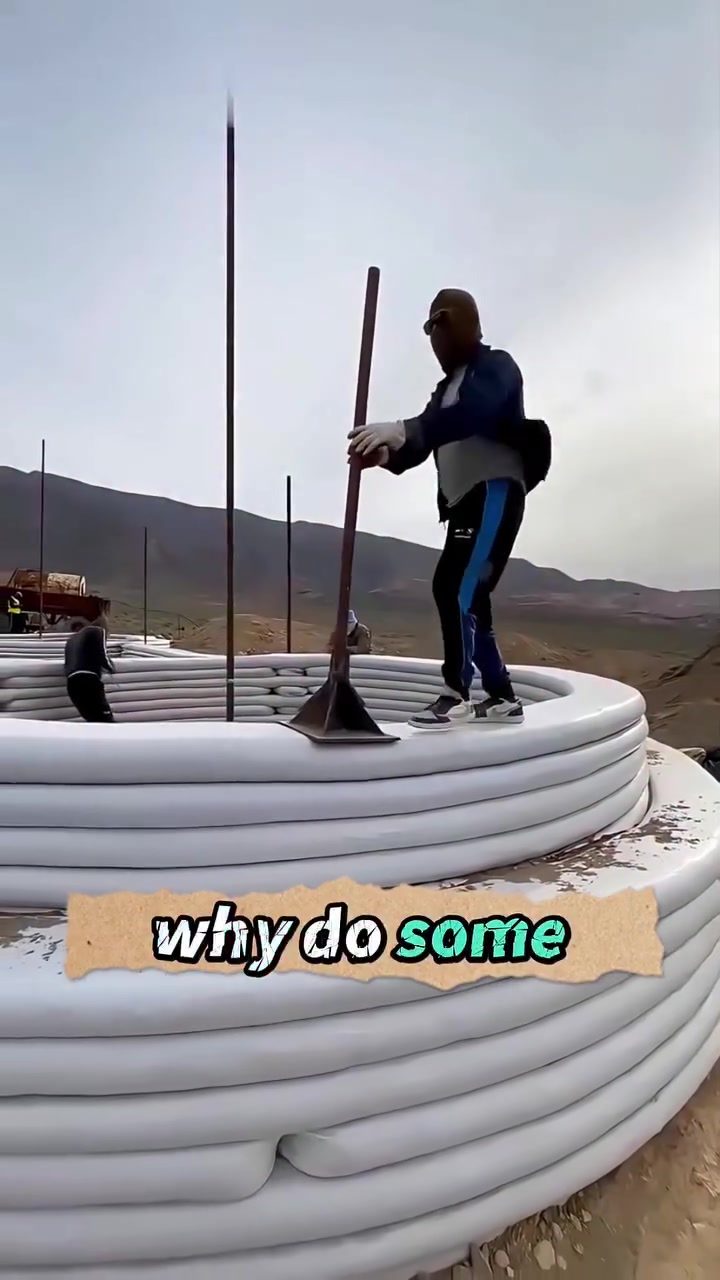
The materials for building a sandbag dome house are incredibly simple and often readily available: dirt, woven bags, and a little barbed wire. This simplicity is one of the key advantages of sandbag construction. The walls are built by taking soil directly from the ground, packing it into long bags, and stacking these bags layer by layer in a circular pattern. Each layer is tightly compacted, and barbed wire is used to prevent the bags from sliding apart. As the walls curve inward, the dome structure spreads pressure evenly, making the house surprisingly strong once the soil dries.
Construction Process
The construction process involves several key steps. First, the soil is packed into long bags. These bags are then stacked in a circular pattern, with each layer being tightly compacted. Barbed wire is used to hold the layers together and prevent them from shifting. This method ensures that the structure remains stable and strong. The dome shape is particularly effective because it distributes weight evenly, enhancing the overall stability of the building.
Structural Integrity
One of the most impressive aspects of sandbag construction is its structural integrity. Despite the use of simple materials, the tightly compacted layers and the dome shape create a surprisingly strong structure. The thick walls of the sandbag dome naturally keep the house cool during the day and warm at night, making it perfect for harsh desert climates. This thermal regulation is a significant advantage in regions with extreme temperature fluctuations.
Cost-Effectiveness
Another standout feature of sandbag construction is its cost-effectiveness. These homes can cost less than one-tenth the price of a traditional brick house. This dramatic reduction in cost makes sandbag construction an accessible option for families with limited financial resources. It also addresses the economic challenges faced by many communities in rural Iran, where traditional building materials are often prohibitively expensive.
Practical Tips for Sandbag Construction
Choosing the Right Location
When constructing a sandbag dome, it's essential to choose the right location. The site should have easy access to soil, as this will be the primary building material. The location should also be suitable for a dome structure, which means it should be relatively level and free from obstructions. Additionally, consider the environmental conditions, such as wind and rainfall, which can affect the stability of the structure.
Ensuring Proper Compaction
Proper compaction of the soil in the bags is crucial for the structural integrity of the sandbag dome. Each layer should be tightly compacted to ensure that the walls are strong and stable. Using a mechanical tamper or a manual tool can help achieve the necessary compaction. It's also important to use the right type of soil; a mix of clay and sand is often the best choice for creating a stable and durable structure.
Stabilizing the Walls
Barbed wire plays a crucial role in stabilizing the walls of a sandbag dome. It prevents the bags from sliding apart and helps distribute the weight evenly. When placing the barbed wire, ensure that it is securely fastened and evenly spaced to provide maximum stability. It's also a good idea to use additional stabilizing materials, such as gravel or sand, to further reinforce the structure.
Designing the Dome
The dome shape is one of the key features of sandbag construction. It not only provides structural strength but also helps regulate the temperature inside the house. When designing the dome, consider the size and shape of the building, as well as the specific needs of the occupants. The dome should be large enough to accommodate the necessary living space but not so large that it becomes unstable. Additionally, incorporating windows and doors can enhance the functionality of the space.
Important Takeaways
Affordability
The affordability of sandbag construction makes it an attractive option for families in regions where traditional building materials are scarce or expensive. The use of locally available materials and a simple construction process significantly reduces the cost of building a home.
Sustainability
Sandbag construction is a sustainable building method that leverages natural materials and minimizes waste. It also reduces the need for energy-intensive materials like bricks, making it a more environmentally friendly option.
Structural Strength
Despite the use of simple materials, sandbag construction produces strong and durable structures. The tightly compacted layers and the dome shape ensure that the building can withstand harsh environmental conditions and provide long-lasting shelter.
Thermal Regulation
The thick walls of a sandbag dome naturally regulate temperature, keeping the house cool during the day and warm at night. This thermal regulation is particularly beneficial in desert climates, where temperature fluctuations can be extreme.
Versatility
Sandbag construction is a versatile building method that can be adapted to various environments and needs. It can be used to build small homes, storage structures, and even community buildings. The simplicity of the construction process makes it accessible to people with limited building experience.
Conclusion
Sandbag construction in Iran offers a practical and affordable solution for building homes in harsh, resource-constrained environments. By leveraging locally available materials and a simple, effective construction process, this innovative method provides strong, sustainable, and thermally regulated structures. Whether you're a DIY enthusiast, an architect, or simply curious about alternative building methods, sandbag construction is a fascinating and useful technique to explore.
Questions readers ask
What are the primary materials used in constructing sandbag houses in Iran?
The primary materials used in constructing sandbag houses in Iran are soil and bags. These materials are locally sourced, making the construction process affordable and sustainable in desert regions.
How does the design of sandbag houses help them withstand harsh desert climates?
Sandbag houses in Iran are typically built in a dome shape, which provides excellent insulation and helps maintain a comfortable temperature inside. This design also makes the structures resilient against strong winds and other harsh weather conditions common in desert environments.
Why are sandbag houses a more affordable option in rural, semi-desert areas of Iran?
Sandbag houses are more affordable because they utilize locally available materials, which reduces transportation costs and the reliance on expensive, imported resources. Additionally, the construction technique itself is straightforward, requiring minimal specialized labor or equipment.
How are sandbag houses constructed?
Sandbag houses are constructed by filling bags with soil, then stacking and compacting them into layers. This process creates a sturdy, interlocking structure that, when shaped into a dome, provides excellent durability and thermal performance.
Why are traditional bricks less feasible for construction in rural, semi-desert areas of Iran?
Traditional bricks are less feasible in these areas due to the scarcity of good clay for brickmaking and the high cost of transporting bricks to remote locations. The dry, semi-desert environment makes it challenging to manufacture bricks sustainably and economically.
What are the benefits of using locally sourced materials in sandbag construction?
Using locally sourced materials in sandbag construction reduces environmental impact by minimizing transportation and carbon emissions. It also supports the local economy and ensures a steady supply of materials, making the construction process more reliable and cost-effective.
What are the potential challenges of building sandbag houses in desert regions?
One of the main challenges is maintaining the structural integrity of the sandbags against moisture and erosion. Ensuring that the sandbags remain stable and that the structures have a long lifespan can be problematic in environments with unpredictable weather patterns, such as occasional heavy rainfall. Additionally, finding the right balance between soil composition and compaction is crucial for durability.
Recent articles
Fresh deep dives from the latest Reels we unpacked.




Comments
Be the first to comment.