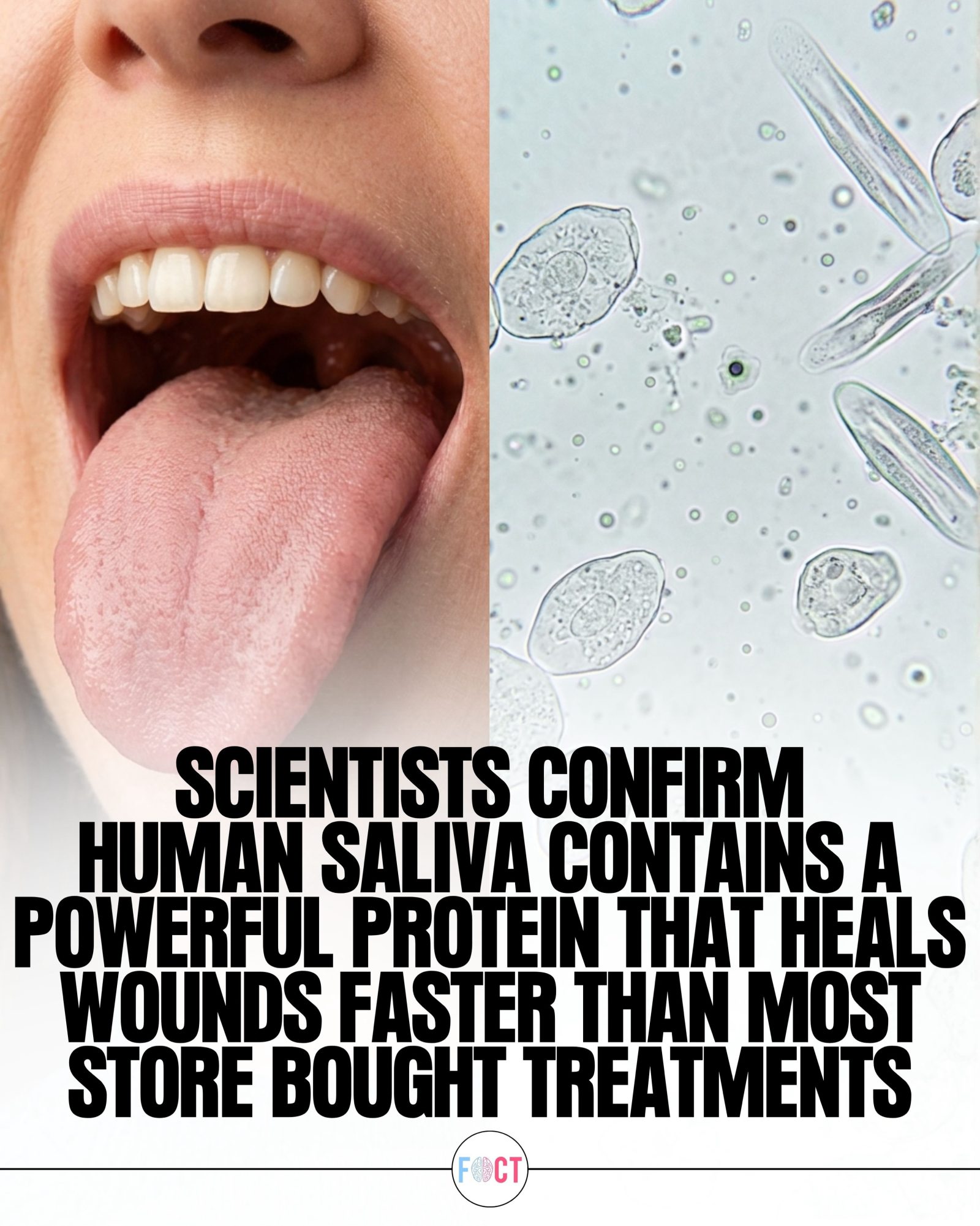
Human Saliva Healing
Ever bit your tongue or the inside of your cheek? It stings, but it heals remarkably fast. Have you ever stopped to consider how saliva plays a role in this rapid healing? You might be surprised to learn that human saliva contains a powerful protein that can heal wounds faster than many over-the-counter treatments.
Why this matters
Saliva is more than just a byproduct of eating and drinking. It's a complex mixture of enzymes, proteins, and minerals that play crucial roles in digestion, immune function, and even wound healing. Understanding how saliva works in the mouth could lead to new therapies for a wide range of injuries and conditions.
The Power of Histatin 1
Human saliva contains a protein called Histatin 1. This protein is believed to help damaged tissue repair itself by encouraging cells to move into wounded areas more quickly. This is a fascinating discovery because the mouth is a harsh environment, constantly exposed to bacteria, food, and the mechanical stress of chewing. Yet, oral wounds often heal faster and with less scarring than wounds on the skin.
The Healing Environment of the Mouth
The oral environment is full of bacteria and constantly subject to various irritants. Despite this, wounds in the mouth tend to heal rapidly. This is due in part to the rich blood supply in the oral tissues, but also because of the unique properties of saliva. The presence of Histatin 1 and other compounds in saliva create an environment that promotes faster healing and reduces scarring.
Saliva's Potential Beyond the Mouth
Researchers are now exploring whether the natural healing compounds found in saliva could be used to treat other types of injuries. The potential applications are vast, ranging from burns and chronic wounds to more severe injuries. By understanding and harnessing the power of Histatin 1 and other proteins in saliva, scientists hope to develop new treatments that could revolutionize wound care.
The Science Behind the Healing
The exact mechanisms by which Histatin 1 promotes wound healing are still being studied. However, researchers have found that this protein plays a role in cell migration, which is a crucial step in the healing process. By encouraging cells to move into the wounded area, Histatin 1 helps to speed up tissue repair and reduce the risk of infection and scarring.
Future Applications
The potential applications of saliva-based treatments are vast. For example, chronic wounds, such as those associated with diabetes, can be particularly challenging to treat. Saliva-based therapies could provide a new approach to managing these wounds, improving patient outcomes and quality of life. Similarly, burns and other severe injuries could benefit from the rapid healing properties of saliva.
Saliva and Chronic Wounds
Chronic wounds, such as those associated with diabetes, can be particularly challenging to treat. These wounds often take a long time to heal and can lead to serious complications, including infection and amputation. Saliva-based therapies could provide a new approach to managing these wounds, improving patient outcomes and quality of life.
Saliva and Skin Grafts
Saliva-based treatments could also be used to enhance the success of skin grafts. Skin grafts are a common treatment for severe burns and other injuries, but they often have a high failure rate. By applying saliva-based treatments to the graft site, researchers hope to improve the chances of successful grafting and reduce the risk of complications.
Practical tips
While more research is needed to fully understand the healing properties of saliva, there are a few practical tips you can follow to promote faster healing of oral wounds:
Keep the Area Clean
The oral environment is full of bacteria, so it's important to keep the wound clean to prevent infection. Rinse the area with warm water or a saltwater solution to remove any debris or food particles.
Avoid Irritants
Avoid eating or drinking anything that could irritate the wound, such as spicy foods, citrus fruits, or hot beverages. Stick to soft, bland foods and lukewarm liquids until the wound has healed.
Monitor for Infection
While oral wounds tend to heal quickly, it's still possible for them to become infected. Keep an eye out for signs of infection, such as increased pain, swelling, or pus, and seek medical attention if you notice any of these symptoms.
Important takeaways
Saliva contains powerful healing properties, particularly the protein Histatin 1. This protein can speed up the healing process of oral wounds by encouraging cell migration. The unique environment of the mouth, despite its constant exposure to bacteria and irritants, promotes rapid healing and reduced scarring. Researchers are now exploring the potential of saliva-based treatments for a wide range of injuries and conditions, from chronic wounds to severe burns and skin grafts. By understanding and harnessing the power of saliva, we could see significant advancements in wound care and treatment.
Conclusion
The healing properties of saliva are a fascinating area of study that could lead to groundbreaking advancements in wound care. By understanding how saliva works in the mouth and harnessing the power of proteins like Histatin 1, researchers hope to develop new treatments for a wide range of injuries and conditions. While more research is needed to fully understand the potential of saliva-based therapies, the findings so far are promising. Whether it's keeping the wound clean, avoiding irritants, or monitoring for infection, there are practical steps you can take to promote faster healing of oral wounds.
Questions readers ask
How does saliva help in healing wounds in the mouth?
Saliva contains unique proteins and enzymes, like Histatin 1, that promote rapid healing of wounds in the mouth. These components help fight bacteria, reduce inflammation, and speed up tissue repair, making saliva a natural and effective wound treatment.
Why does saliva heal wounds so quickly?
Saliva accelerates wound healing due to its rich composition of proteins, minerals, and enzymes. Histatin 1, in particular, plays a significant role in this process by promoting cell growth and tissue regeneration, which helps wounds in the mouth heal faster than many over-the-counter treatments.
What makes saliva more effective than some treatments in healing wounds?
Saliva's effectiveness in healing wounds comes from its natural, multifaceted approach. It not only helps in cleaning the wound but also fights infections and promotes tissue regeneration through proteins like Histatin 1, which many over-the-counter treatments may not replicate as effectively.
What happens if saliva doesn't reach a wound?
If saliva doesn't reach a wound, the healing process may be slower and less effective. Saliva's natural antimicrobial and regenerative properties, including those of Histatin 1, are crucial for fighting infections and speeding up tissue repair, especially in the mouth.
What kind of wounds does saliva heal?
Saliva is particularly effective in healing mouth wounds, such as cuts on the tongue, cheeks, or gums. Its healing properties make it a natural treatment for a wide range of minor to severe injuries in the mouth, from small cuts to more significant wounds like burns.
Can saliva be used to heal wounds outside the mouth?
While saliva's healing properties are most effective in the mouth, research is exploring its potential for treating wounds outside the mouth. The proteins in saliva, such as Histatin 1, could inspire new therapies for various types of injuries and conditions, but more studies are needed.
Related deep dives
Similar reads based on topic and creator.


Recent articles
Fresh deep dives from the latest Reels we unpacked.




Comments
Be the first to comment.