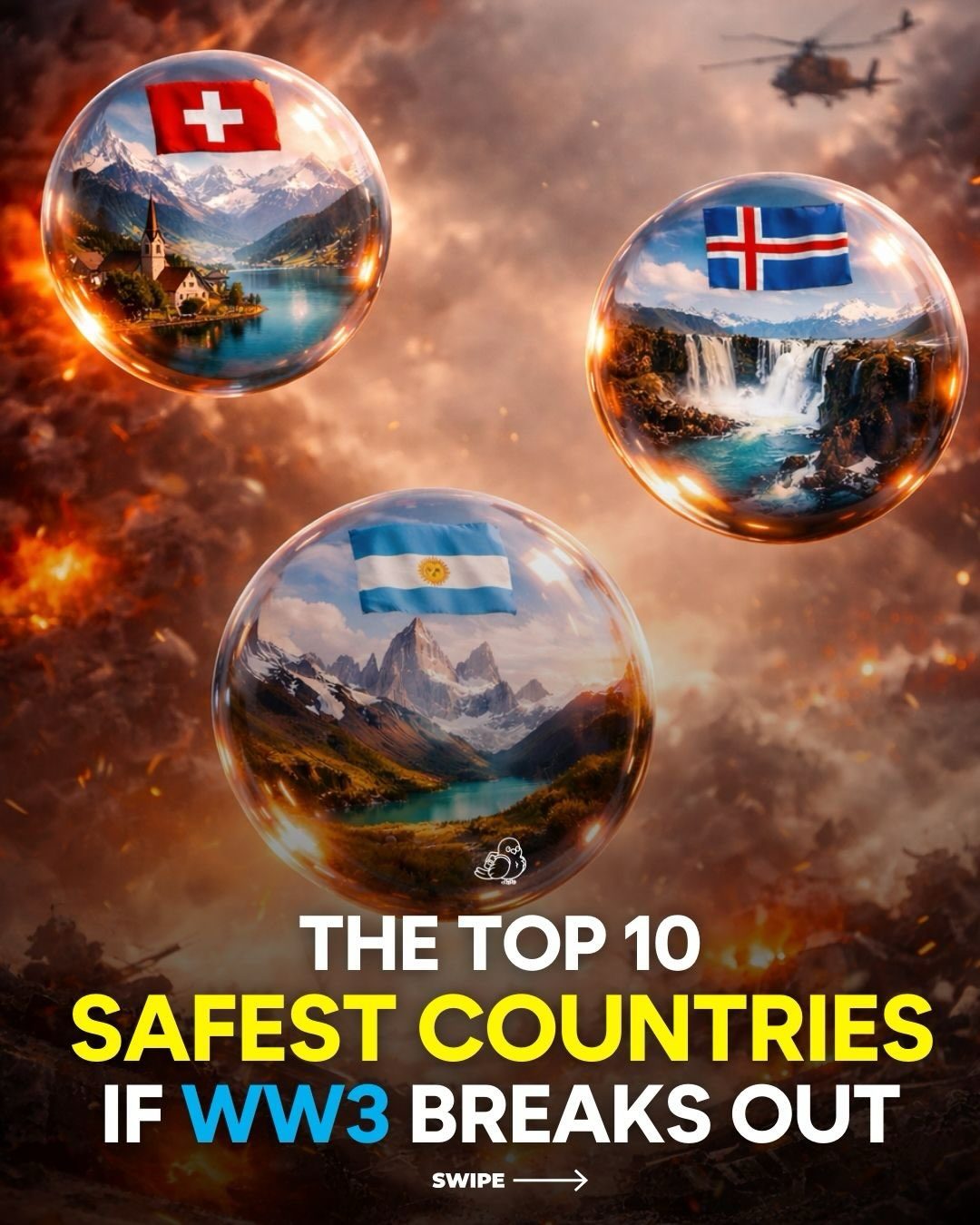
Safest Countries in the Event of WW3
The prospect of a World War 3 is a chilling thought, but it's a topic of global interest. There are countries that are better equipped to weather such a storm due to their geographic isolation, neutrality, and self-sufficiency. These factors, among others, make certain nations more insulated from global conflict. Here’s a deeper look at why some countries might be safer in the event of a major global conflict.
Why This Matters
Understanding which countries might be safer in the event of a major global conflict isn't just about speculation; it's about recognizing the realities of geopolitics. Factors such as neutrality, geographic isolation, and self-sufficiency play crucial roles in determining a country's safety. For travelers, expats, and those interested in global stability, knowing which countries are more insulated from conflict can provide valuable insights.
Top 10 Safest Countries in the Event of WW3
1. Bhutan
Bhutan is often cited as one of the most remote and neutral countries in the world. Since joining the United Nations, Bhutan has maintained a policy of neutrality, which significantly reduces its risk of being drawn into global conflicts. Its landlocked status and isolation from major global powers make it a safe haven in times of turmoil.
2. Fiji
Fiji's remoteness in the South Pacific and lack of military alliances make it a highly unlikely target for direct conflict. Its isolation from major global powers and its small military presence contribute to its safety.
3. Iceland
Iceland’s neutrality and lack of a standing army are significant factors in its safety. Located in the North Atlantic, it is far from major conflict zones and has maintained a policy of non-alignment, making it a safe choice in times of global unrest.
4. Switzerland
Switzerland is renowned for its neutrality, which dates back to the 19th century. Its policy of neutrality, combined with its landlocked status and strong military defenses, makes it a safe option. Additionally, Switzerland's self-sufficiency in resources and energy further enhances its resilience.
5. Costa Rica
Costa Rica has been a champion of peace and neutrality, having abolished its military in 1949. Its geographic location in Central America and its strong diplomatic ties with other countries also contribute to its safety.
6. New Zealand
New Zealand’s isolation in the South Pacific and its lack of direct military alliances with major global powers make it a safe choice. Its self-sufficiency in agriculture and natural resources also boosts its resilience.
7. Liechtenstein
This tiny landlocked country in Europe is known for its neutrality and strong diplomatic ties. Its proximity to Switzerland, which has its own strong defense, provides additional security.
8. Solomon Islands
The Solomon Islands’ remoteness in the South Pacific and lack of military alliances make it a safe haven. Its isolation from major global powers and resources make it less likely to be a target for conflict.
9. Mongolia
Mongolia’s landlocked status and historic neutrality, dating back to the 13th century, make it a safe country. Its vast, sparsely populated landscape also makes it a less attractive target for conflicts.
10. Kiribati
This small island nation in the central Pacific is isolated from major conflict zones. Its lack of military alliances and small population make it a safe choice in times of global turmoil.
Practical Tips for Safe Travel
If you’re considering travel or relocation to one of these countries, here are some practical tips to keep in mind:
-
Research Local Laws and Customs: Each country has its own set of laws and customs. Familiarize yourself with these to avoid any misunderstandings or legal issues.
-
Stay Informed: Keep up-to-date with the latest news and developments in the region. This will help you make informed decisions about your travel plans.
-
Prepare for Emergencies: Always have a plan in place for emergencies. This includes knowing the location of embassies, hospitals, and safe zones.
-
Network: Connect with local communities and expats. They can provide valuable insights and support during difficult times.
-
Healthcare: Ensure you have access to quality healthcare. Research the healthcare system in the country you plan to visit and consider getting travel insurance that covers medical emergencies.
Important Takeaways
-
Neutrality Matters: Countries that maintain neutrality are less likely to be drawn into global conflicts. This is a crucial factor to consider.
-
Geographic Isolation: Remote and isolated countries are less likely to be directly impacted by global conflicts.
-
Self-Sufficiency: Countries that are self-sufficient in resources and energy have a higher resilience to external shocks.
-
Preparation is Key: Whether you’re a traveler or a resident, being prepared for emergencies is essential.
Conclusion
While the prospect of a World War 3 is unsettling, understanding which countries are better equipped to handle such a scenario can provide valuable insights. Factors such as neutrality, geographic isolation, and self-sufficiency play crucial roles in determining a country's safety. Whether you’re a traveler, an expat, or simply interested in global affairs, knowing which countries are more insulated from conflict can be a vital piece of information.
Questions readers ask
Which countries are considered the most neutral in the context of a global conflict?
Countries renowned for their neutrality include Switzerland and Sweden. They have policies of non-alignment, avoiding military alliances to ensure they remain uninvolved in international conflicts. However, it is important to remember that neutrality does not guarantee total immunity from the effects of a global war.
How does geographic isolation contribute to a country's safety during a world war?
Geographic isolation can significantly reduce a country's exposure to direct conflict. Nations like Iceland and New Zealand are surrounded by vast expanses of water, making them less accessible to potential aggressors. This remoteness can act as a natural barrier, providing a layer of protection during global conflicts.
Which small nations are likely to remain untouched by a global conflict?
Small nations like Liechtenstein and Andorra are often overlooked in global power struggles. Their diminutive size and lack of strategic resources make them less likely targets. Additionally, their geographical positions, often nestled within larger, more powerful countries, offer a degree of indirect protection.
What role does self-sufficiency play in a country's safety during a global war?
Self-sufficient countries are better equipped to handle the disruption of global supply chains. Nations like Norway, with its abundant natural resources and strong economy, can sustain themselves through exports and domestic production. This reduces their dependence on international trade, enhancing their resilience during conflicts.
Are there any countries that are safe due to their unique geopolitical status?
Countries with unique geopolitical statuses, such as Costa Rica (which abolished its military) and Monaco (a microstate), offer different layers of protection. Costa Rica's pacifism and Monaco's status as a small, neutral city-state provide them with unique safety advantages. However, it's important to note that these statuses do not make them completely invulnerable to the broader impacts of a global conflict.
What factors should travelers consider when choosing a destination in a global conflict scenario?
Travelers should prioritize countries with a history of neutrality, strong self-sufficiency, and geographic isolation. Additionally, consider the healthcare infrastructure, availability of basic necessities, and the overall stability of the country's governance. Researching the specific policies and preparations of a country for such scenarios can provide a clearer picture of its safety.
Which countries have historically remained neutral in major global conflicts?
Countries like Switzerland have a longstanding tradition of neutrality, having remained uninvolved in both World War I and World War II. Similarly, Sweden has maintained its neutrality for over 200 years, avoiding direct involvement in major conflicts. These historical precedents can provide insights into their likely stance during a hypothetical World War 3.
Related deep dives
Similar reads based on topic and creator.




Recent articles
Fresh deep dives from the latest Reels we unpacked.




Comments
Be the first to comment.