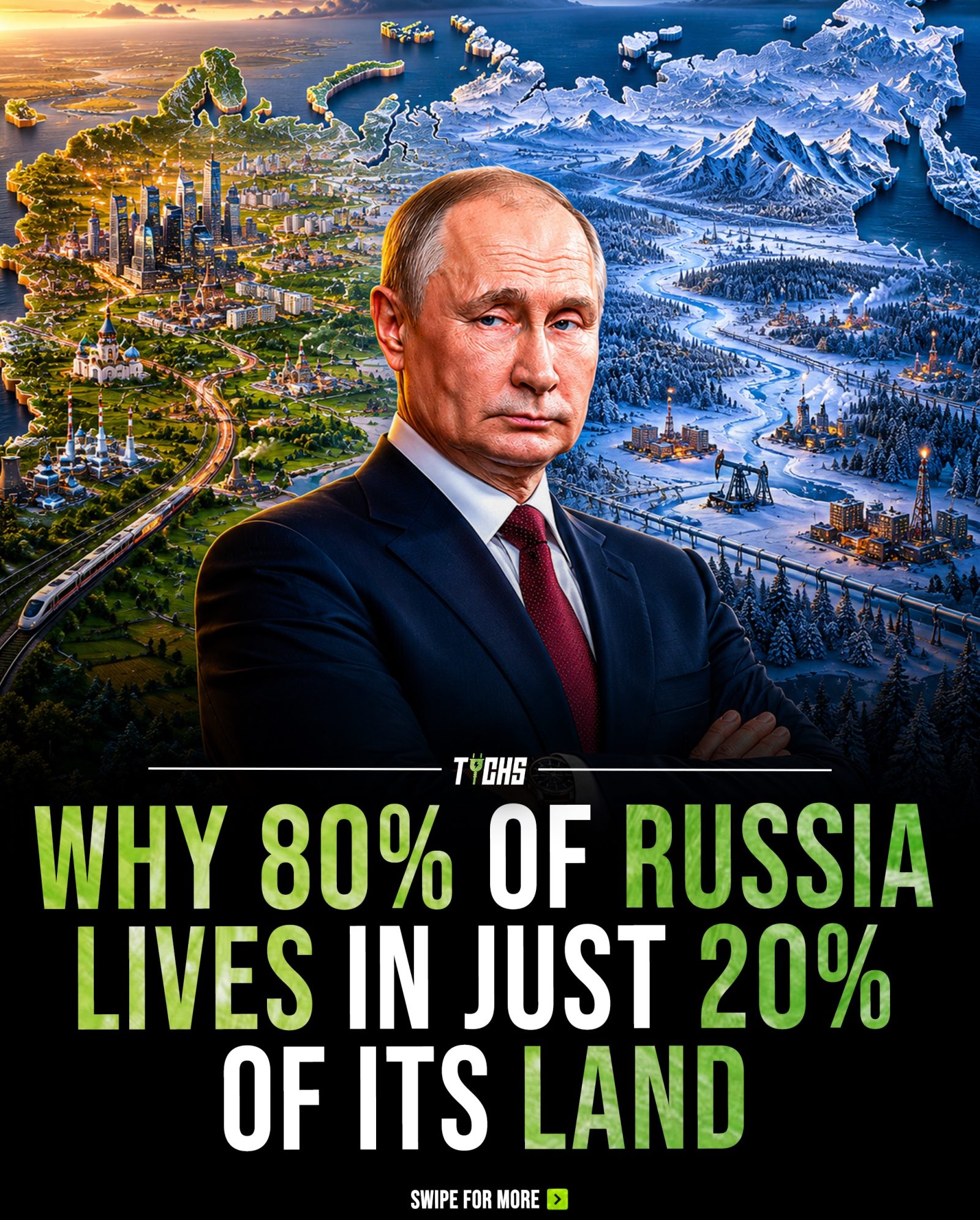
Russia's Population Distribution and Resources
Russia, the world's largest country by land area, presents a stark contrast in its population distribution. Despite its vast territory, most of its population is concentrated in a relatively small area, particularly in Western Russia, while vast regions remain sparsely populated. This unique demographic pattern is influenced by a combination of geographic, economic, and environmental factors.
Why This Matters
Understanding Russia's population distribution is crucial for several reasons. It sheds light on the country's economic development, infrastructure planning, and environmental challenges. Furthermore, it offers insights into how geography can shape global power dynamics, particularly in a country as vast and resource-rich as Russia.
Main Discussion
Geographical and Climatic Influences
Russia's diverse geography significantly influences where people choose to live. The country spans two continents and encompasses a multitude of climates, from the frozen tundra of Siberia to the temperate regions of Western Russia. The western part of the country, including major cities such as Moscow and Saint Petersburg, benefits from milder weather, fertile land, and stronger infrastructure. These factors create a more favorable environment for living and working, attracting a significant portion of the population.
In contrast, Siberia faces extreme winters, enormous distances, and some of the harshest living conditions on Earth. These conditions make it less appealing for settlement, despite its vast natural resources. The extreme weather and rugged terrain pose significant challenges for infrastructure development, further contributing to the sparse population in these regions.
Economic Opportunities
The concentration of economic opportunities in Western Russia is another key factor driving population distribution. Cities like Moscow and Saint Petersburg offer better jobs, education, healthcare, and infrastructure. Higher salaries and greater job availability in these urban centers make them attractive destinations for people seeking better economic prospects.
The economic disparity between Western Russia and its eastern regions is stark. The west is home to the country's major industries, financial centers, and educational institutions, providing a wide range of opportunities for career growth and development. In contrast, the eastern regions, particularly Siberia, struggle with economic isolation and a lack of infrastructure, making it difficult to sustain a large population.
Natural Resources
Siberia, despite its harsh climate, is a treasure chest of natural resources. It contains most of Russia’s natural gas, oil reserves, coal, gold, diamonds, and Lake Baikal, the world’s deepest freshwater lake. These resources are crucial to Russia's economy, contributing significantly to its global power and influence. However, the extraction and transportation of these resources require substantial investment and infrastructure.
The exploitation of Siberia's natural resources often comes at an environmental cost. The region's fragile ecosystems are under threat from mining, drilling, and industrial activities. Balancing economic benefits with environmental sustainability is a critical challenge for Russia, particularly in regions where the population is already low.
Geopolitical Implications
Russia’s unique population distribution has significant geopolitical implications. The concentration of people and resources in the western part of the country shapes its global power dynamics. Having a large, developed population in the west allows Russia to exert greater political and economic influence in Europe and other nearby regions.
However, the vast, sparsely populated eastern regions present a different set of challenges and opportunities. They provide strategic depth and buffer zones, protecting Russia from potential threats from the east. The natural resources in these regions also contribute to Russia's economic strength, but the logistical challenges of accessing and transporting these resources remain significant.
Siberia’s Role in Shaping Russia
Siberia, with its vast expanse and rich natural resources, plays a pivotal role in shaping Russia's overall development. Despite the challenges, the region is crucial for the country's economic stability and global influence. The exploitation of its natural resources and the development of infrastructure are ongoing projects that aim to enhance its economic contribution.
Practical Tips
For those interested in understanding Russia's population distribution and its implications, here are some practical tips:
- Study the Geography: Understanding the geographical and climatic differences between Western Russia and Siberia can provide valuable insights into why people choose to live in certain areas.
- Explore Economic Data: Analyzing economic indicators such as job availability, salary levels, and infrastructure development can help explain the concentration of population in Western Russia.
- Research Natural Resources: Learning about the natural resources in Siberia and their significance to Russia's economy can offer a deeper understanding of the country's global power dynamics.
- Consider Geopolitical Factors: Examining the geopolitical implications of Russia's population distribution can reveal how these patterns influence the country's international relations and strategic decisions.
Important Takeaways
Rather than being a simple geographic quirk, Russia's population distribution tells a complex story about the interplay of geography, economics, and geopolitics. The concentration of population in Western Russia and the vast, sparsely populated eastern regions reflect the country's unique challenges and opportunities. Understanding these dynamics is essential for grasping Russia's role on the global stage and its future development.
Conclusion
Russia's population distribution is a fascinating geographic contrast, shaped by a multitude of factors including climate, economic opportunities, and natural resources. This unique pattern not only influences the country's internal development but also its global power dynamics. By understanding the underlying reasons for this distribution, one can gain deeper insights into Russia's strategic priorities and future challenges.
Questions readers ask
Why is Russia's population density so uneven across its territory?
Russia's population density varies greatly due to its vast land area. 80% of the population lives in just 20% of the land, mainly in Western Russia. This is primarily due to milder climates, better economic opportunities, and more infrastructure in the western regions.
What factors attract people to live in Western Russia over other regions?
Western Russia attracts a significant portion of the population due to its milder climate compared to the harsh conditions in Siberia. Additionally, the region offers more job opportunities, better infrastructure, and closer proximity to major cities and resources.
How does Russia's population distribution affect its economic development?
The concentration of Russia's population in the west means that economic development is also concentrated in this area. This leads to disparities in infrastructure and resource allocation, with western regions being more developed while eastern regions, like Siberia, remain underdeveloped.
Why is Siberia sparsely populated despite its vast land area?
Siberia's harsh climate, with long, cold winters, makes it difficult for people to live and work there. Additionally, the region's remote location and lack of infrastructure and economic opportunities deter many from settling in Siberia.
What are the major cities in Russia and where are they located?
Russia's major cities, such as Moscow, St. Petersburg, and Novosibirsk, are primarily located in the western part of the country. These cities offer better job prospects, more amenities, and milder climates, making them attractive places for people to live.
How does Russia's population distribution compare to the rest of the world?
Russia's population distribution is unique compared to other countries due to its vast land area and harsh climate in certain regions. While many countries have densely populated urban centers, Russia's population is concentrated in a relatively small western area, with vast, sparsely populated regions in the east.
How has Russia's population distribution influenced its infrastructure development?
Russia's population distribution has led to a focus on developing infrastructure in the western regions where most people live. This includes roads, railways, and other vital services, while eastern regions often lack the same level of infrastructure development.
Recent articles
Fresh deep dives from the latest Reels we unpacked.




Comments
Be the first to comment.