Extreme Cold, Extreme Insulation: Construction Techniques in Russia's Harshest Climates
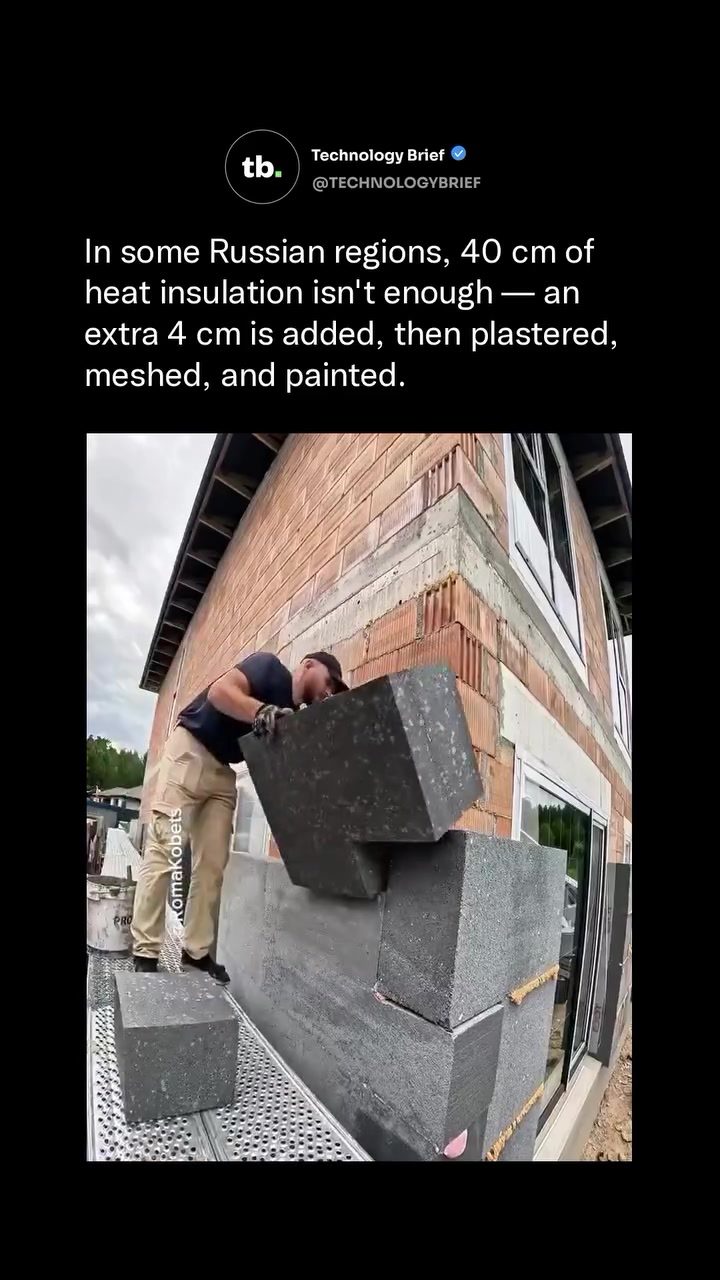
In regions of Russia where temperatures plummet below -40°C, standard insulation methods fall short. This intense cold demands extraordinary measures to keep buildings warm and energy-efficient. The solution? Rigid insulation panels applied directly to the exterior of brick walls, creating an impenetrable thermal shell.
Why This Matters
For buildings in Siberia and other extremely cold regions, thick insulation is not just a comfort issue but a significant energy cost issue. Without proper insulation, buildings can lose enormous amounts of heat, leading to high energy bills and potential structural damage from moisture. The techniques used in these regions can offer valuable insights for construction and insulation in other cold climates.
Construction Techniques for Extreme Cold
Rigid Insulation Panels
The process begins with the application of rigid insulation panels to the exterior of brick walls. These panels are secured using a strong adhesive, ensuring a tight fit around window frames and other irregular surfaces. The thickness of these panels can reach up to 40 cm (roughly 16 inches) — significantly more than the 6 to 7 inches typically considered sufficient in other cold climates.
Additional Layers
Once the rigid panels are in place, builders add a reinforcing mesh. This mesh is critical as it prevents the outer layer of plaster from cracking due to temperature fluctuations. After the mesh, a base coat is applied, followed by a final layer of plaster or paint. This exterior insulation and finish system (EIFS) wraps the entire building, creating a thermal shell that prevents heat from escaping through the walls.
The Role of the Mesh Layer
The mesh layer plays a pivotal role in this insulation technique. It provides structural support and flexibility, accommodating the expansion and contraction of materials as temperatures swing between seasons. Without this reinforcing layer, the outer plaster would be prone to cracking, compromising the integrity of the insulation system.
Protecting Against Moisture
One of the hidden benefits of this thick insulation is its ability to push the dew point — the point where warm indoor air meets cold and condenses into moisture — to the outer edge of the wall. This reduces the risk of water damage inside the building, protecting both the structure and its occupants.
Practical Tips for Effective Insulation
Measure Twice, Cut Once
Accuracy is key when applying insulation panels. Measure the areas where the panels will be applied, ensuring they fit tightly around window frames and other obstacles. This precision minimizes heat loss and maximizes insulation efficiency.
Use High-Quality Adhesive
Invest in a high-quality adhesive to secure the insulation panels. This ensures a strong bond, preventing the panels from shifting or falling off over time. A durable adhesive also helps maintain the integrity of the insulation system, extending its lifespan.
Choose the Right Mesh
The reinforcing mesh is not just an afterthought; it’s a crucial component of the insulation system. Opt for a mesh that provides adequate support and flexibility, ensuring it can withstand temperature changes without cracking or deforming.
Apply Layers Correctly
Each layer of the insulation system — from the base coat to the final plaster or paint — should be applied correctly. Follow manufacturer guidelines and allow each layer to dry thoroughly before proceeding to the next. This careful application ensures the entire system remains effective and durable.
Consider Environmental Factors
When planning your insulation, consider the environmental factors specific to your region. In extremely cold climates, the thickness and type of insulation material will differ from those in milder regions. Always consult local building codes and guidelines to ensure your insulation meets the necessary standards.
Important Takeaways
Extreme cold climates require specialized insulation techniques to maintain building warmth and energy efficiency. The use of rigid insulation panels, reinforcing mesh, and multiple layers of plaster or paint forms a robust thermal shell. This method not only keeps buildings warm but also protects them from moisture damage.
Incorporating these techniques can significantly improve the comfort and energy efficiency of buildings in regions with harsh winters. By understanding and applying these principles, builders and homeowners can ensure their structures are well-prepared to withstand even the most extreme cold.
Conclusion
In the face of severe winter conditions, innovative insulation techniques become essential. By applying rigid insulation panels, adding a reinforcing mesh, and creating a multi-layered protective shell, buildings in extreme cold regions can stay warm and energy-efficient. These techniques offer valuable lessons for construction and insulation in any cold climate, highlighting the importance of thorough planning, high-quality materials, and attention to detail.
Questions readers ask
What makes Russian insulation techniques unique for extreme cold?
Russian insulation techniques are tailored to withstand temperatures below -40°C. They use rigid insulation panels applied directly to exterior walls, creating a robust thermal barrier that standard methods cannot achieve.
How do rigid insulation panels contribute to energy efficiency in cold climates?
Rigid insulation panels create an impenetrable thermal shell around buildings, significantly reducing heat loss. This minimizes energy consumption and lowers heating costs, making them ideal for extreme cold weather conditions.
What is the role of a reinforcing mesh in Russian insulation techniques?
A reinforcing mesh provides additional structural support to the insulation layers. It helps to keep the insulation stable and secure, enhancing the overall durability and effectiveness of the insulation system.
Why is outer wall insulation important in extremely cold regions like Siberia?
Outer wall insulation is crucial because it prevents heat from escaping through the walls, which is a major source of heat loss in extreme cold. By insulating the outer walls, buildings can maintain a comfortable indoor temperature with less energy consumption.
What are the potential risks of not using proper insulation in extremely cold climates?
Without proper insulation, buildings in extremely cold climates can suffer from significant heat loss, leading to high energy bills. Additionally, moisture can infiltrate the walls, causing structural damage over time, a problem that is common in Russia's harshest regions.
How do Russian insulation techniques ensure structural integrity in extreme cold?
By using a combination of rigid insulation panels and reinforcing mesh, Russian insulation techniques create a secure and durable barrier. This not only enhances thermal performance but also strengthens the building’s structure, preventing damage from extreme temperature fluctuations and moisture.
Can the insulation techniques used in Russia be applied to other cold climate regions?
Yes, the insulation techniques used in Russia can be adapted for other cold climate regions. The principles of using rigid insulation panels and reinforcing mesh to create a robust thermal barrier can be applied globally to improve energy efficiency and structural integrity in buildings.
Recent articles
Fresh deep dives from the latest Reels we unpacked.




Comments
Be the first to comment.