Rowan Atkinson's Airplane Emergency in Kenya: A Real-Life Cockpit Drama
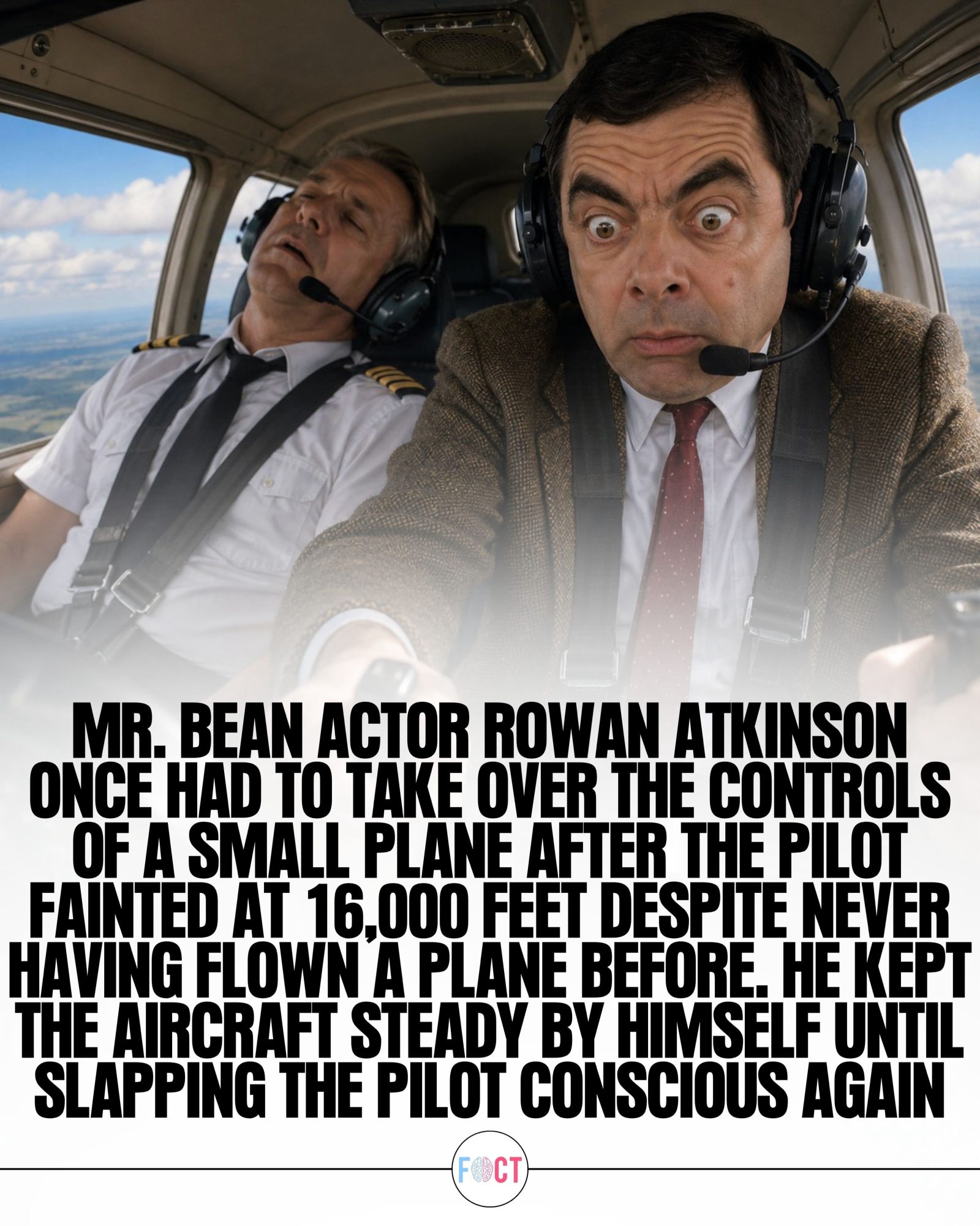
In March 2001, Rowan Atkinson, renowned for his role as the bumbling Mr. Bean, found himself in a real-life drama that was as unexpected as it was dangerous. While on a family vacation over Kenya, Atkinson was thrust into a cockpit emergency when the pilot of his chartered aircraft lost consciousness.
Context / Why This Matters
Atkinson and his family—including his wife and two children—had chartered a small light aircraft for a routine 75-minute flight from Ukunda, near Mombasa, to Nairobi's Wilson Airport. Such flights are typically uneventful, but this one took a dramatic turn halfway through. The pilot, for reasons unknown, lost consciousness at a cruising altitude of around 16,000 feet. This incident underscores the importance of safety measures and preparedness in aviation.
Atkinson's unexpected heroism sheds light on the vulnerability of small charter aircraft. These planes often lack the advanced autopilot systems found in commercial jets, leaving them highly dependent on the consciousness and health of the pilot.
Main Discussion
The Incident Unfolds
As the pilot slumped over the controls, Atkinson and his wife initially attempted to revive him. When these efforts failed, Atkinson took decisive action. Despite having no formal flight training or pilot's license, he took hold of the controls himself. The actor's quick thinking and calm demeanor under pressure were crucial in keeping the aircraft steady.
Small charter aircraft, often used for private or scenic flights, typically lack the redundant systems that commercial jets have. This means that if the pilot becomes incapacitated, the plane can quickly become unmanageable. Atkinson’s experience highlights the importance of having basic flight knowledge, even for passengers on such flights.
Keeping the Aircraft Steady
Atkinson's ability to keep the plane steady is a testament to his composure and quick reflexes. Small charter aircraft often have simple, manual controls, which can be operated without extensive training. However, maintaining stability at high altitudes requires a steady hand and a keen sense of balance.
Atkinson's actions also underscore the importance of having safety protocols in place. Many small charter flights do not have the same stringent safety measures as commercial flights, making such incidents more common and potentially more dangerous.
Reviving the Pilot
After successfully keeping the aircraft steady, Atkinson managed to revive the pilot. He did this by slapping the pilot several times, reportedly helping the pilot regain consciousness and regain control of the aircraft. With the pilot back at the helm, the aircraft safely landed at Wilson Airport.
The safe landing of the aircraft is a testament to Atkinson’s presence of mind, especially given the gravity of the situation. The incident highlights the unpredictable nature of air travel, particularly in smaller, private aircraft.
Practical Tips
While it's unlikely that most passengers will find themselves in a similar situation, there are a few practical tips that can help ensure safety during flights:
- Know Basic Flight Procedures: Familiarize yourself with basic flight controls and procedures. This can be lifesaving in an emergency.
- Stay Alert: Always be aware of your surroundings and the pilot’s condition.
- Emergency Preparedness: Understand the aircraft’s emergency protocols and locations of safety equipment.
- Communication: Maintain clear communication with the pilot and crew.
Important Takeaways
- Small charter aircraft can be vulnerable due to the lack of advanced autopilot systems.
- Basic flight knowledge can be invaluable in emergency situations.
- Quick thinking and calm demeanor can make a significant difference in emergencies.
- Safety protocols and preparedness are crucial for all types of flights.
Conclusion
Rowan Atkinson's experience in Kenya is a dramatic reminder of the potential dangers and unpredictability in air travel, especially in smaller, private aircraft. His quick thinking and calm demeanor under pressure highlight the importance of preparedness and safety measures in aviation.
While such incidents are rare, they underscore the necessity of being prepared and aware, regardless of the type of flight. Atkinson’s actions demonstrate that even without formal training, a clear mind and steady hand can make a significant difference in emergency situations.
Questions readers ask
Who was Rowan Atkinson flying with during the emergency?
Rowan Atkinson was traveling with his family—his wife and two children—on the chartered flight when the pilot lost consciousness.
What specific action did Rowan Atkinson take during the plane emergency?
Rowan Atkinson took control of the small plane and managed to land it safely in a remote location.
What was the destination of the flight when the pilot fell ill?
The flight was en route from Ukunda, near Mombasa, to Nairobi's Wilson Airport, which is a typical 75-minute journey.
What was the cruising altitude of the plane when the pilot lost consciousness?
The plane was cruising at an altitude of around 16,000 feet when the pilot suddenly lost consciousness.
What type of aircraft was Rowan Atkinson flying in?
Rowan Atkinson was flying in a small, chartered, light aircraft, which is a common mode of transportation in Kenya for shorter distances.
How did Rowan Atkinson's experience highlight the importance of safety preparedness?
Atkinson's ability to take control and successfully land the plane underscored the critical role of safety preparedness and the need for passengers to have basic flight safety training and knowledge of emergency protocols.
What was the outcome of the plane emergency in Kenya?
Thanks to Atkinson's quick thinking and actions, the plane was successfully landed in a remote area, and all passengers, including Atkinson and his family, survived the incident without any injuries.
Related deep dives
Similar reads based on topic and creator.




Recent articles
Fresh deep dives from the latest Reels we unpacked.




Comments
Be the first to comment.