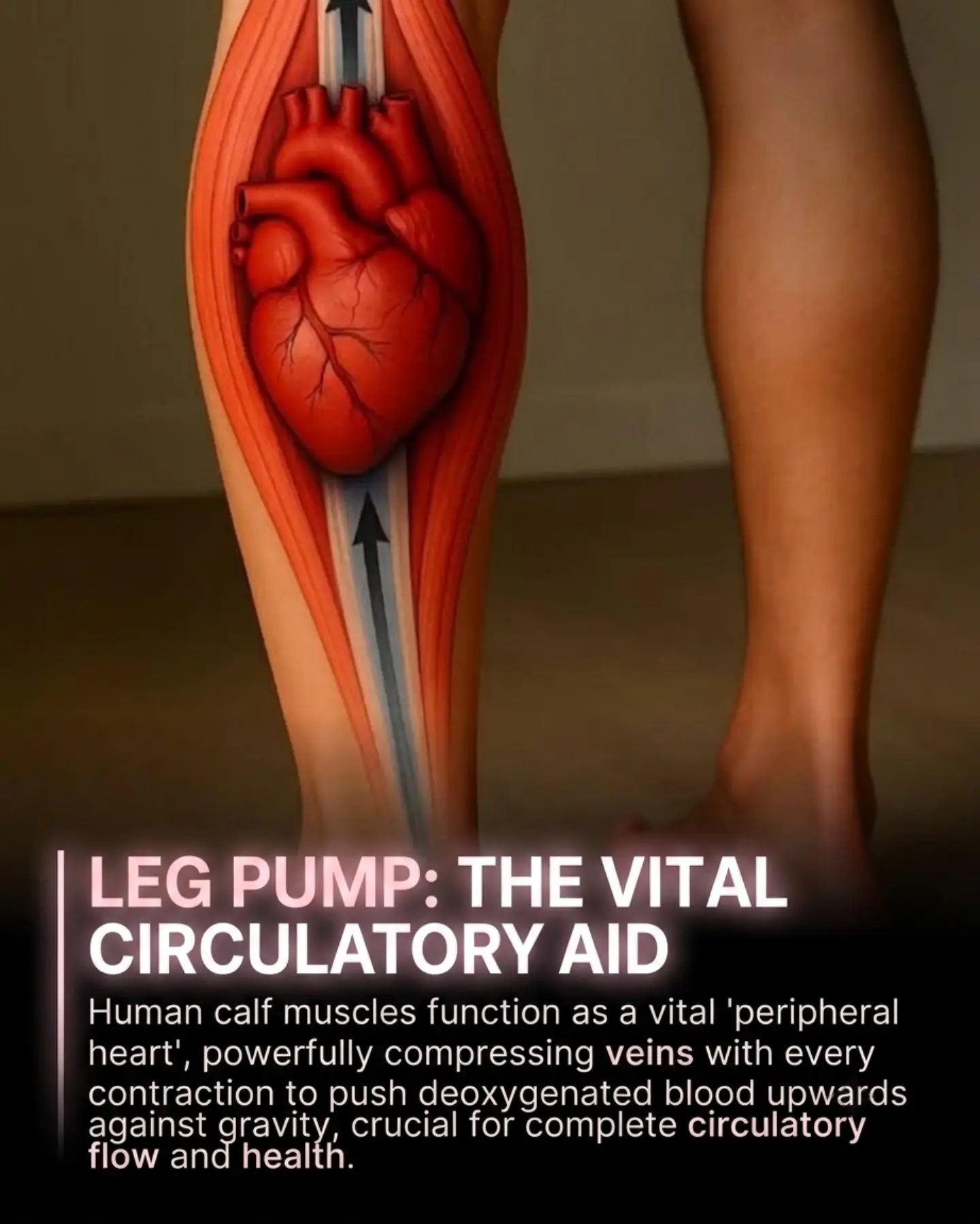
Leg Pump and Circulation
The leg pump is a critical mechanism within the human body, responsible for maintaining efficient blood circulation, especially in the lower extremities. This process involves the calf muscles acting as a 'peripheral heart,' pushing deoxygenated blood back to the heart, against the force of gravity. Understanding this mechanism can provide insights into overall circulatory health and the importance of leg muscle function.
Context / Why this matters
Circulatory health is fundamental to overall well-being. Proper blood flow ensures that all parts of the body receive the oxygen and nutrients they need to function correctly. The leg pump plays a pivotal role in this process, particularly in the lower extremities where blood must flow against gravity. By compressing veins with every contraction, the calf muscles help to push deoxygenated blood back to the heart, ensuring complete circulatory flow and maintaining overall health.
Main discussion
The Anatomy of the Leg Pump
The leg pump mechanism relies heavily on the calf muscles. These muscles surround major veins in the lower leg, acting as a vital 'peripheral heart.' With every contraction, the calf muscles compress these veins, pushing deoxygenated blood upwards towards the heart. This process is crucial for maintaining blood flow in the lower extremities, where gravity can hinder circulation.
The Role of Veins in the Leg Pump
Veins in the legs are equipped with one-way valves that prevent blood from flowing backward. These valves work in conjunction with the calf muscles to ensure that blood moves efficiently towards the heart. When the calf muscles contract, they compress the veins, forcing blood through the valves and preventing it from pooling in the lower extremities.
The Impact of Gravity on Circulation
Gravity poses a significant challenge to blood flow in the legs. As blood flows downwards, it must overcome the force of gravity to return to the heart. The leg pump mechanism helps to counteract this force, ensuring that blood is continuously circulated throughout the body. This process is particularly important for maintaining circulatory health in individuals who spend extended periods standing or sitting.
Factors Affecting Leg Pump Efficiency
Several factors can affect the efficiency of the leg pump. Aging, sedentary lifestyle, and certain medical conditions can weaken the calf muscles, reducing their ability to compress veins effectively. Additionally, prolonged periods of inactivity can lead to blood pooling in the lower extremities, further impairing circulation. Regular physical activity and maintaining a healthy lifestyle can help to improve leg pump efficiency and overall circulatory health.
Practical tips
Exercise to Improve Leg Pump Efficiency
Regular exercise, particularly activities that target the calf muscles, can help to improve leg pump efficiency. Some effective exercises include:
- Calf Raises: Standing on the edge of a step and lowering the heels down, then raising up onto the toes repeatedly.
- Walking or Jogging: These activities engage the calf muscles and help to promote blood flow.
- Cycling or Swimming: These low-impact exercises can also be beneficial for improving circulatory health.
Maintaining a Healthy Lifestyle
Maintaining a healthy lifestyle is crucial for overall circulatory health. This includes:
- Staying Hydrated: Adequate hydration helps to maintain proper blood volume and viscosity.
- Balanced Diet: A diet rich in fruits, vegetables, and lean proteins can support overall health and circulation.
- Avoiding Prolonged Inactivity: Regular movement and avoiding prolonged periods of sitting or standing can help to promote efficient blood flow.
Important takeaways
- The calf muscles act as a 'peripheral heart,' compressing veins to push deoxygenated blood upwards against gravity.
- This mechanism is crucial for maintaining complete circulatory flow and overall health.
- Regular exercise and a healthy lifestyle can help to improve leg pump efficiency and circulatory health.
- Factors such as aging, sedentary lifestyle, and certain medical conditions can affect the efficiency of the leg pump.
Conclusion
Understanding the leg pump mechanism and its role in circulatory health can provide valuable insights into maintaining overall well-being. By engaging in regular physical activity and maintaining a healthy lifestyle, individuals can support efficient blood flow and support their circulatory system. The leg pump is a vital component of the human circulatory system, and its proper function is essential for overall health.
Questions readers ask
How do leg muscles assist in circulation?
Leg muscles, particularly the calf muscles, act as a 'peripheral heart' by contracting and relaxing. This action helps push deoxygenated blood upwards towards the heart, aiding in circulation. This process is especially important in the lower extremities where blood flow can be more challenging due to gravity.
What is the 'leg pump' mechanism?
The 'leg pump' refers to the process where the calf muscles contract and relax to push blood through the veins in the legs. This mechanism is crucial for maintaining efficient blood flow, especially in the lower extremities, helping to pump deoxygenated blood back to the heart.
Why is the leg pump important for circulatory health?
The leg pump is vital for circulatory health as it helps to move blood against gravity, ensuring that blood can return efficiently to the heart from the lower extremities. This is particularly important for maintaining overall blood circulation and supporting the function of the circulatory system.
How do calf muscles specifically contribute to blood flow?
Calf muscles contribute to blood flow by acting as a 'peripheral heart.' When they contract, they compress the veins in the legs, pushing blood upwards towards the heart. This action is essential for maintaining healthy blood flow in the legs and throughout the body.
What happens if the leg pump mechanism is not functioning properly?
If the leg pump mechanism is not functioning properly, it can lead to poor circulation in the lower extremities. This can result in symptoms such as swelling, fatigue, and in severe cases, conditions like varicose veins or deep vein thrombosis. It's important to maintain leg muscle strength and mobility to support this mechanism.
Can exercises improve the function of the leg pump?
Yes, exercises that target the leg muscles, particularly the calf muscles, can significantly improve the function of the leg pump. Activities like walking, running, and calf raises can help strengthen these muscles, enhancing their ability to pump blood efficiently back to the heart.
What are some tips to maintain good circulatory health in the legs?
To maintain good circulatory health in the legs, it's important to engage in regular physical activity that involves the leg muscles, avoid prolonged periods of sitting, elevate your legs when possible, and maintain a healthy weight. These habits can support the leg pump mechanism and promote better blood flow.
Recent articles
Fresh deep dives from the latest Reels we unpacked.




Comments
Be the first to comment.