Optical Illusion Roadways
Roadways with unusual designs have long captivated travelers, but some road designs serve a more practical purpose. From optical illusions to punitive measures, road designs can significantly impact driving behavior and safety.
Context / Why This Matters
Road design is a critical aspect of urban planning and infrastructure development. Effective road designs can enhance safety, improve traffic flow, and create visually appealing environments. In some regions, road designs can even deter wrong-way driving, reducing the risk of severe accidents.
One of the most intriguing aspects of modern road design is the use of optical illusions. These visual tricks can be both entertaining and functional, serving purposes ranging from guiding drivers to deterring unsafe driving behaviors. Optical illusions can transform ordinary roadways into eye-catching landscapes, making them memorable while serving practical purposes.
Main Discussion
Optical Illusions
Optical illusions in road design are often used to guide drivers or enhance driver awareness. For instance, a road with a long, winding pattern on a surface resembling a piano keyboard can create a visual illusion that makes the road appear narrower or wider than it actually is. This can influence a driver's perception of speed and encourage them to drive more cautiously.
Directional Patterns
A similar visual pattern is the directional arrow pattern, which might include text overlays like "WAY" and "BUT DRIVE IN." This type of road design combines visual cues with written instructions, making it clear to drivers which direction they should take. The visual cues help reinforce the message, ensuring that drivers are fully aware of the correct path, even if they are distracted.
Black and White Patterns
Black and white patterns on roadways serve multiple purposes. They can enhance visibility, especially in low-light conditions, and create a stark contrast that helps drivers recognize key areas, such as pedestrian crossings or intersections. These patterns can also serve as a visual deterrent, making it more difficult for drivers to ignore important road signs and markings.
The One-Way Tire Killer
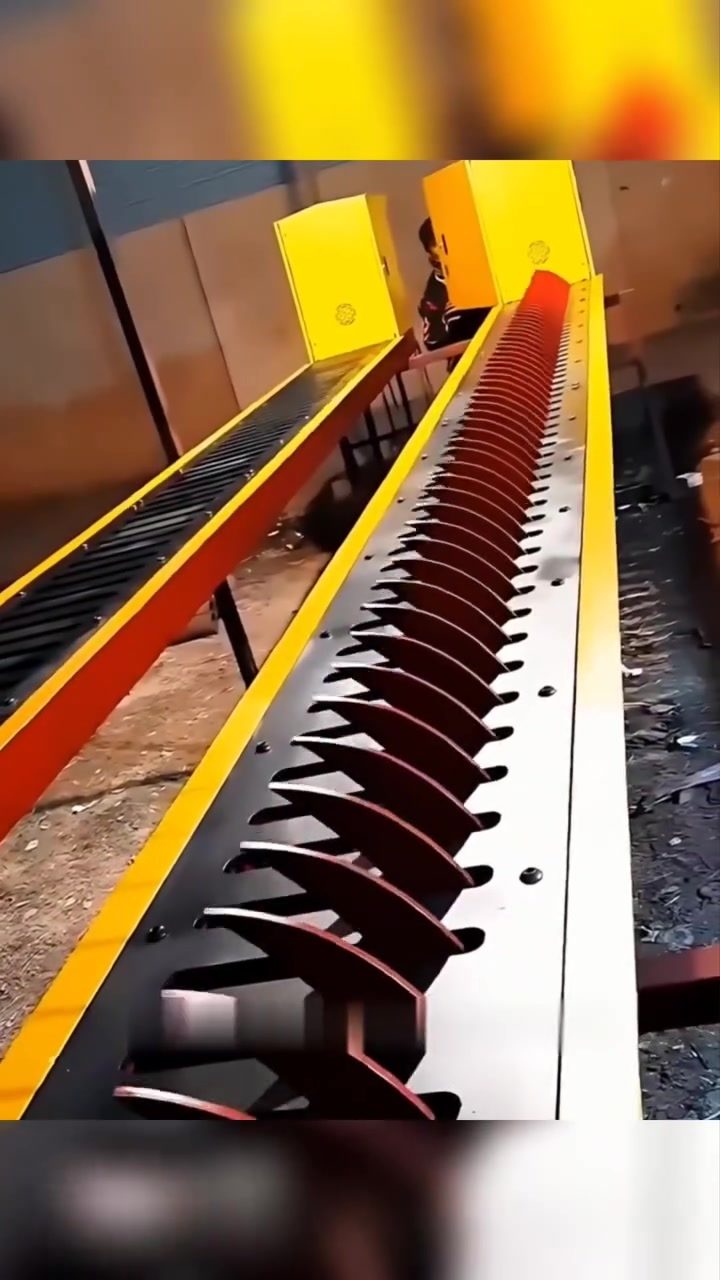
In some Southeast Asian regions, one of the most dramatic road designs is the one-way tire killer. This device consists of rows of metal spikes installed on the road surface. When a vehicle drives in the correct direction, its tires push the spikes down, allowing it to pass. Once the vehicle moves away, the spikes automatically pop back up. However, if a vehicle drives in the opposite direction, the spikes lock upright, puncturing the tires. Longer spikes can even damage the vehicle's undercarriage, effectively stopping wrong-way drivers.
Installation and Impact
One-way tire killers are typically installed at one-way roads and parking exits. Their primary function is to prevent vehicles from driving the wrong way, reducing the risk of serious accidents and collisions. These devices are an effective way to enforce traffic rules and ensure that drivers adhere to designated paths.
Practical Tips
For Drivers
When navigating through areas with unusual road designs, it is essential to stay alert. Pay close attention to visual cues, such as patterns and text overlays, to ensure you are following the correct path. If you encounter a one-way tire killer, always drive in the correct direction to avoid damaging your vehicle.
For Urban Planners
Urban planners can leverage optical illusions and punitive road designs to enhance safety and traffic management. Consider using directional patterns and black and white contrasts to guide drivers and improve visibility. Installing one-way tire killers in appropriate locations can also help prevent wrong-way driving, thereby reducing accidents and improving overall safety.
Important Takeaways
- Optical illusions in road design can serve both aesthetic and practical purposes.
- Directional patterns and text overlays can guide drivers and enhance safety.
- Black and white patterns improve visibility and create stark contrasts.
- One-way tire killers are an effective deterrent against wrong-way driving.
- Paying attention to road designs and visual cues is essential for safe driving.
- Effective road design can significantly enhance traffic management and safety.
Conclusion
Road designs, from optical illusions to punitive measures, play a crucial role in modern infrastructure. By incorporating visual cues and practical deterrents, these designs can guide drivers, improve safety, and enhance the overall driving experience. Whether navigating through a visually stimulating roadway or encountering a one-way tire killer, understanding and adhering to these designs is essential for safe and efficient travel.
Recent articles
Fresh deep dives from the latest Reels we unpacked.




Comments
Be the first to comment.