
Tapir Rescue and Care
Tapirs are fascinating creatures, and seeing one being rescued and cared for is a remarkable experience. These gentle giants, with their unique appearance and calm demeanor, have long captivated the interest of animal lovers and nature enthusiasts alike. Understanding the process of tapir rescue and the subsequent care they require is crucial for ensuring their well-being and survival.
Why This Matters
Tapirs are often found in river environments, and their rescue can be a complex and delicate process. The well-being of these animals is not just a matter of curiosity but a significant aspect of conservation and ethical animal handling. By understanding the care and handling of tapirs, we can contribute to their protection and conservation, ensuring that these magnificent creatures thrive in their natural habitats.
Tapir Rescue and Care
Understanding Tapirs
Tapirs are large, herbivorous mammals known for their distinctive snouts and short, prehensile proboscises, which they use to grasp leaves and fruits. They are semi-aquatic and often found near water bodies, which makes their rescue operations unique and challenging. Their thick skin and few sweat glands mean they struggle to regulate their body temperature, making water a crucial part of their environment.
The Rescue Process
Rescuing a tapir from a river environment requires careful planning and execution. The process often involves a team of experienced rescuers using small boats to approach the tapir without causing it stress. The handling of the tapir is done with utmost care to ensure it is not harmed during the rescue. Once rescued, the tapir is assessed for any injuries and provided with immediate medical attention if needed.
Post-Rescue Care
After the rescue, the tapir is moved to a safe and comfortable environment where it can recover. This often includes a natural habitat that mimics its wild surroundings, providing it with the necessary elements to thrive. The care of the rescued tapir involves regular monitoring, a balanced diet, and ensuring it has access to clean water and a suitable habitat.
Bonding and Socialization
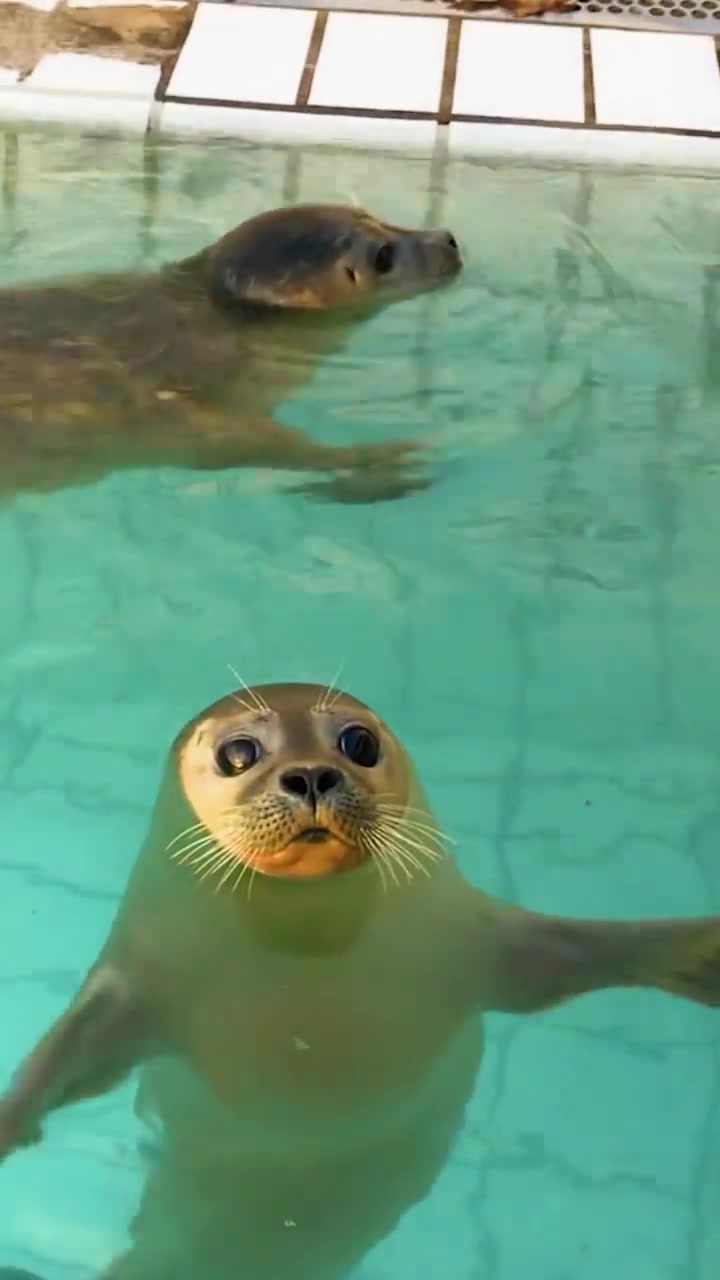
Tapirs, like many other animals, can form strong bonds with their caregivers. Calves, in particular, can quickly become attached to those who care for them. This bonding process can be beneficial for the tapir's emotional well-being, especially if it has been through a traumatic experience. Simple gestures, such as a wave, can be enough to call a tapir over, showcasing their friendly and gentle nature.
Practical Tips for Tapir Care
Caring for a rescued tapir involves several practical steps to ensure its well-being.
Providing a Suitable Habitat
Tapirs need a habitat that closely resembles their natural environment. This includes access to water for soaking, which helps regulate their body temperature and keeps mosquitoes and parasites at bay. Providing plenty of vegetation and space to roam is also essential for their physical and mental health.
Diet and Nutrition
Tapirs are herbivores and require a diet rich in leaves, fruits, and grasses. Ensuring a balanced diet is crucial for their overall health. Supplements and vitamins may be added to their diet under the guidance of a veterinary professional to meet any specific nutritional needs.
Health Monitoring
Regular veterinary check-ups are necessary to monitor the tapir's health. This includes checking for any signs of illness, injuries, and ensuring that they are up-to-date on necessary vaccinations. Keeping a close eye on their behavior and activity levels can also help identify any potential health issues early on.
Social Interaction
Tapirs are social animals and benefit from interaction with others of their kind. If possible, providing them with companionship from other tapirs or even friendly animals can significantly improve their quality of life. Gentle handling and positive reinforcement can help build a strong bond between the tapir and its caregivers.
Environmental Enrichment
Creating a stimulating environment for the tapir is essential for its mental well-being. This can include providing toys, puzzles, and various enrichment activities to keep them engaged and mentally active.
Important Takeaways
Rescuing and caring for a tapir is a complex and rewarding endeavor. The process requires a deep understanding of their natural behaviors, needs, and the environment they thrive in. By providing them with a suitable habitat, a balanced diet, and regular health monitoring, we can ensure that rescued tapirs live healthy and fulfilling lives.
The bonding and socialization process is also a critical aspect of tapir care. Tapirs are known for their friendly and loyal nature, and building a strong bond with them can significantly improve their emotional well-being. Gentle handling, positive reinforcement, and providing companionship are all essential for their overall happiness.
Conclusion
Tapirs are remarkable animals with unique needs and behaviors. Their rescue and care require a deep understanding of their natural habits and the environment they thrive in. By providing them with a suitable habitat, a balanced diet, and regular health monitoring, we can ensure that rescued tapirs live healthy and fulfilling lives. Building a strong bond with these gentle giants can significantly improve their emotional well-being and contribute to their overall happiness.
Questions readers ask
What makes tapir rescue from river environments particularly challenging?
Tapir rescue from river environments is challenging due to the animals' semi-aquatic nature and the need for careful handling to avoid stress and injury. Tapirs are strong swimmers and may become agitated or aggressive when distressed, making the rescue process delicate and requiring specialized techniques.
How does the tapir's unique snout influence its care and handling?
The tapir's unique prehensile snout, which it uses for grasping and manipulating food, can be sensitive and requires gentle handling. It is important to avoid causing discomfort or injury during rescue, rehabilitation, and medical care. Additionally, the snout is a vital sensory organ, so handlers must be mindful of its significance in the tapir's overall well-being.
What are the key aspects of post-rescue care for tapirs?
Post-rescue care for tapirs involves providing a suitable habitat that mimics their natural environment, a diet rich in foliage, and regular veterinary check-ups. It is also crucial to monitor their stress levels and gradually reintroduce them to natural behaviors and interactions to ensure a smooth transition back to the wild, if possible.
Why is understanding tapir conservation important in their rescue and care?
Understanding tapir conservation helps in implementing best practices during rescue and care. It ensures that tapirs are treated with the utmost respect and care, while also contributing to the broader efforts to protect their habitats and populations. This comprehensive approach aids in the long-term survival of these unique mammals.
What are some tips for handling tapirs during rescue operations?
During rescue operations, it is important to approach tapirs calmly and quietly to avoid startling them. Using appropriate safety measures, such as gloves and protective gear, is essential to ensure the safety of both the tapir and the handlers. Additionally, minimizing handling time and providing a calm, quiet environment can help reduce stress for the animal.
Related deep dives
Similar reads based on topic and creator.


Recent articles
Fresh deep dives from the latest Reels we unpacked.




Comments
Be the first to comment.