Reprogramming Aged Cells
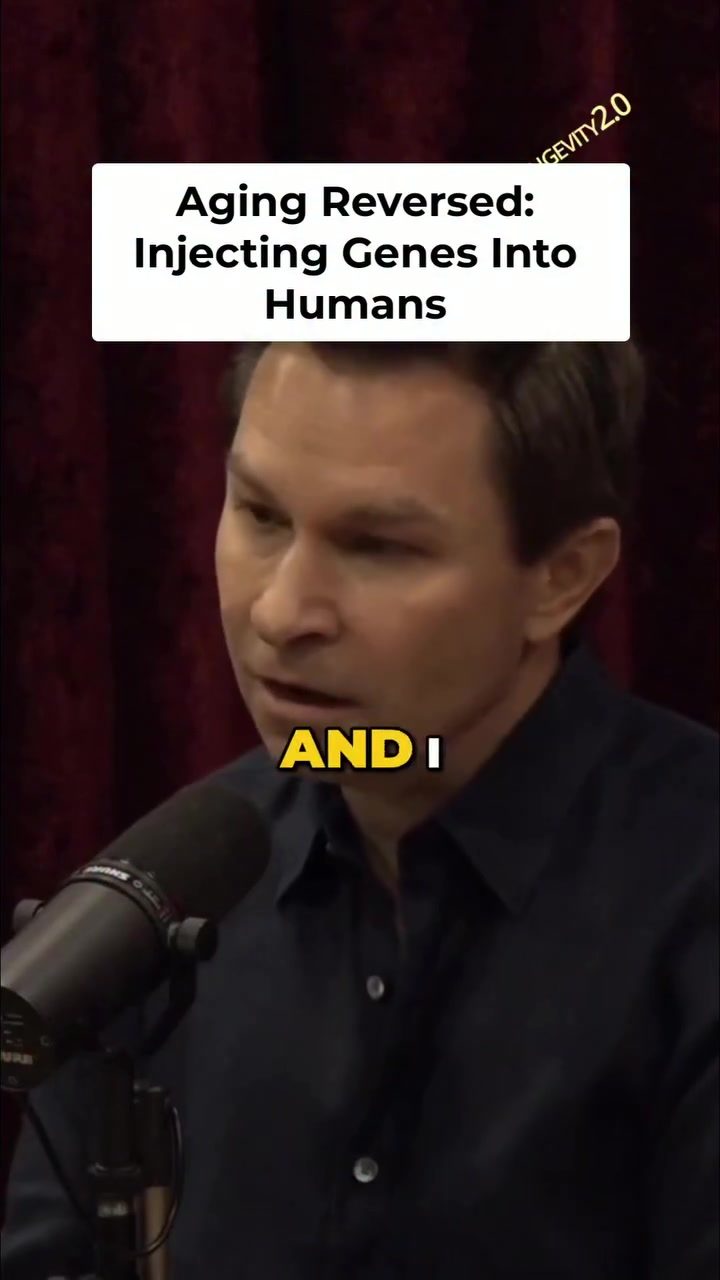
The idea of reversing aging is no longer a distant dream but a tangible goal for scientists. Researchers are now exploring the possibility of reprogramming aged cells to function more like young ones. Here’s a deeper look at the process and its implications.
Why This Matters
Aging is a complex process that affects every cell in the body. Recent research has identified a root cause of aging that is common across cells. By understanding and targeting this root cause, scientists aim to control and potentially reverse the aging process. This could lead to significant advancements in regenerative medicine and improve the quality of life for many people.
The Science Behind Cellular Reprogramming
The concept of cellular reprogramming involves delivering specific genes into cells to effectively "reboot" them, making them function more youthfully. One of the pioneers in this field is Dr. David Sinclair, who, along with his colleagues, has made groundbreaking discoveries in this area. Their research has shown that it is possible to safely reverse the aging process in cells, akin to reinstalling software to restore a cell's functionality.
The Role of Genes in Aging
Genes play a crucial role in the aging process. Certain genes can slow down aging, while others have the potential to reverse it. Researchers have identified genes that, when introduced into the body, can rejuvenate cells. These age-reversal genes are delivered using virus-like capsules, which are designed and manufactured in laboratories. This method is similar to CRISPR technology, which is known for its precision in gene editing.
Main Discussion
Targeting the Eye: A Strategic Choice
The eye has been chosen as the initial target for these gene therapies. This is because the eye is a relatively isolated and accessible part of the body, making it an ideal candidate for early-stage testing. The goal is to restore function in patients suffering from vision loss, particularly those with glaucoma, a condition that can lead to blindness.
The First Clinical Trial
The first clinical trial involving age-reversal genes has already begun. A brave volunteer, who was almost completely blind in one eye, became the first person to receive the treatment. The procedure involved injecting trillions of these virus-like capsules into the eye to see if the therapy could potentially cure the glaucoma and restore vision.
Early Results and Future Prospects
So far, the trial has shown promising results. The patient has not experienced any adverse effects, and the treatment is proceeding according to plan. This is a significant milestone, as it indicates that the therapy could be safe and effective in humans. If successful, this approach could revolutionize the field of regenerative medicine and open new avenues for treating age-related diseases.
Practical Tips
Staying Informed
For those interested in staying updated on the latest developments in longevity research, subscribing to newsletters and following reputable sources can be beneficial. These resources often provide access to the latest research and actionable strategies to help you live longer and healthier.
Participating in Clinical Trials
For individuals with conditions like glaucoma or other age-related diseases, participating in clinical trials can be a way to access cutting-edge treatments. Always consult with healthcare providers before making decisions about experimental therapies.
Maintaining a Healthy Lifestyle
While scientific advancements are promising, maintaining a healthy lifestyle remains crucial. This includes regular exercise, a balanced diet, and regular medical check-ups. These practices can complement any future therapeutic interventions and improve overall well-being.
Important Takeaways
- Aging has a root cause that is common across cells, and specific genes can control and potentially reverse this process.
- Cellular reprogramming involves delivering genes into the body to make aged cells function more youthfully.
- The eye is an ideal starting point for these therapies due to its accessibility and isolation.
- Early clinical trials have shown promising results, with no adverse effects reported so far.
- Staying informed about the latest research and maintaining a healthy lifestyle are key to leveraging these advancements.
Conclusion
The prospect of reprogramming aged cells to function more youthfully is a fascinating and potentially transformative field. With ongoing research and clinical trials, we may soon see significant advancements in regenerative medicine. By staying informed and maintaining a healthy lifestyle, individuals can better prepare for and benefit from these future developments.
Questions readers ask
What are the primary goals of reprogramming aged cells in longevity research?
The primary goals are to identify and target the core causes of cellular aging and to revert aged cells to a more youthful state. This process aims to enhance cellular health and function, potentially leading to improved overall health and longevity. Researchers hope that by understanding and influencing aging genes, they can develop effective anti-aging strategies.
How does reprogramming aged cells differ from traditional anti-aging strategies?
Unlike traditional anti-aging strategies that often focus on symptomatic treatment, reprogramming aged cells tackles the root cause of aging. By reverting aged cells to a more youthful state, this approach aims to fundamentally alter the aging process, potentially offering more comprehensive and lasting benefits. This could lead to advancements in regenerative medicine and improved quality of life.
What role do aging genes play in cellular reprogramming and in glaucoma treatment?
Aging genes are central to the cellular reprogramming process. These genes influence how cells age, and scientists are exploring ways to modify these genes to reverse or slow the aging process. By targeting these genes, researchers may be able to develop effective treatments for age-related conditions, including glaucoma, where cellular regeneration and improved cellular health can significantly impact disease progression.
Can reprogramming aged cells improve overall human health?
Yes, reprogramming aged cells has the potential to significantly improve overall human health. By restoring youthful function to aged cells, this process can enhance tissue and organ function, reduce the risk of age-related diseases, and promote better health. The potential benefits extend beyond longevity, including improved mobility, cognitive function, and a higher quality of life.
What are the implications of reprogramming aged cells for regenerative medicine?
The implications for regenerative medicine are vast. By reprogramming aged cells, scientists can potentially regenerate tissues and organs, addressing conditions where cellular health is compromised. This approach could lead to innovative treatments for various age-related diseases, including conditions that severely impact cellular health and function.
What is the significance of understanding the root cause of cellular aging in human aging?
Understanding the root cause of cellular aging is crucial for developing effective aging treatments. By identifying the underlying mechanisms that drive cellular aging, researchers can develop targeted interventions. These interventions could slow or even reverse the aging process, leading to improved health outcomes and a better understanding of human aging.
Are there any current applications of cell reprogramming in aging research?
Yes, there are ongoing applications and research studies. Cell reprogramming techniques are being explored to treat various age-related conditions, including neurodegenerative diseases and tissue degeneration. Researchers are also investigating how reprogramming can enhance cellular health and function, potentially leading to innovative therapies for a range of aging-related issues.
Recent articles
Fresh deep dives from the latest Reels we unpacked.




Comments
Be the first to comment.