Skydiving with the Bull
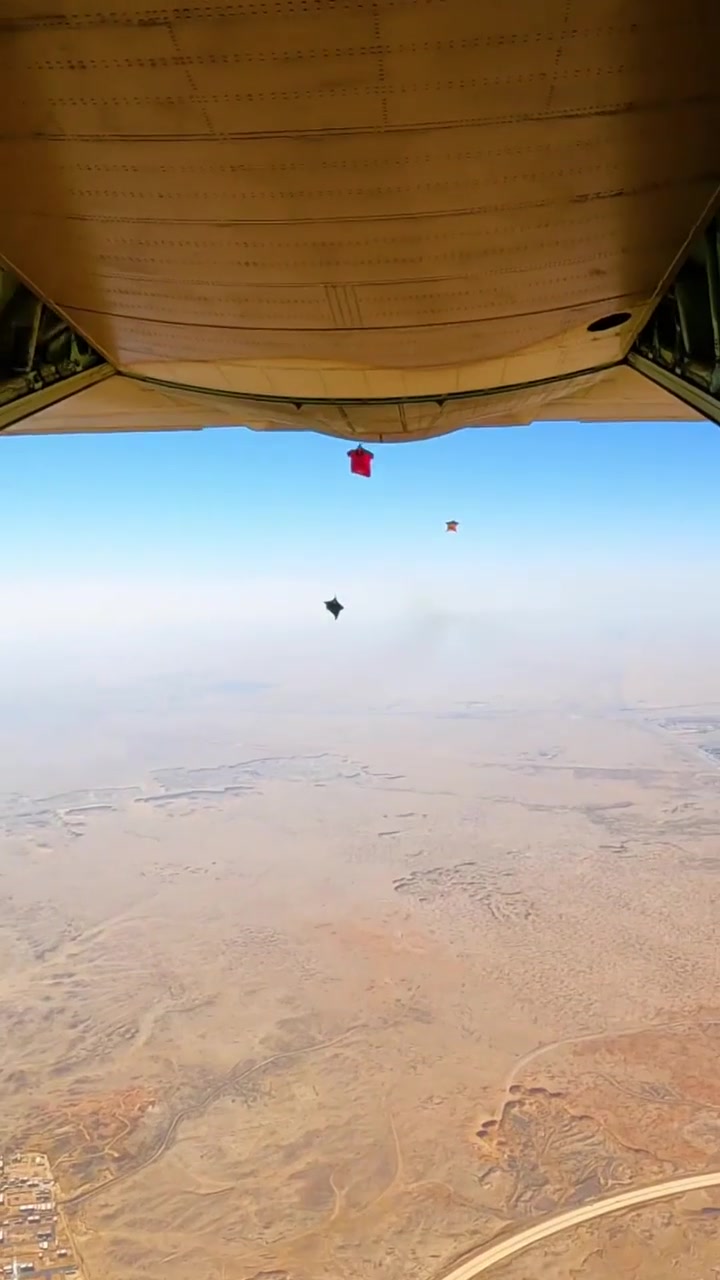
The view is breathtaking. The door swings open, and a rush of air sends a deafening roar through the cabin. The infinite expanse of a desert landscape stretches out below. This is not a daydream or video game; this is skydiving from a plane, an extreme sport that puts adrenaline junkies right in front of the 150 mph wind and wide-open sky. No paragliders or drones here; the only gear is your own body and a parachute. You aren't an extreme athlete unless you've got the courage to freefall from a plane at 10,000 feet or more. Today, we'll jump into what it is, why it matters, and how you can gear up for your own fall from orbit.
What is sport skydiving?
Skydiving, or freefalling from an aircraft, is a high-risk, extreme sport. The aim is to jump from a plane — most skydives begin from altitudes around 10,000 – 13,000 feet — and deploy a parachute to gently glide back to earth. You are plummeting to the ground at 120 to 150 mph. There are plenty of variants to the sport. There are enormous wingsuits to fly over the deserts of California and the Canadian Rockies. There are wingsuit jumps, vertical dives in skydivers' suits, and other smaller disciplines like the 'turbo dive' or night jumps. Skydiving is distinct for its sense of isolation. Anchored to the plane, you suddenly find yourself in a completely detached, free state, purely connected to the elements. The four elements of wind, dark, and open sky allow people to see the world in a way they never have before. No other sport involves this level of engagement with gravity. Besides the adrenaline rush, it is the skydiving community's camaraderie and its tradition that have kept it going. Skydivers are one of the most devoted bands of athletes on earth. At the same time, they also tend to be plugged into the culture of extreme sport and the related scenes. As an extreme sport, it's a source of thrill, but its community is what makes it stand apart. The community of adrenaline junkies and athletes is its strongest part. It's a unique crowd to be part of.
A Skyward View of Surpassing the impossible
The extreme sport's popularity has grown on a global scale, thanks to the Red Bull Stratos Project and the likes. Of course, the pandemic meant many air tours shut down, but that didn't keep the skydivers away. According to the USPA, "the number of skydives made in the US over the last 5 years has increased by 13%." Despite the danger and deaths in the sport, skydiving has become a symbol of overcoming fear and achieving the impossible, "extreme sports skyrocketed after Felix Baumgartner's Red Bull Stratos Project", notes the federation. "The jump has led to numerous records and incidents, and since that jump, many have been inspired to try skydiving for the first time." Who can forget a Nova Scotia man's jump near the Arctic Circle? In the realm of high-stakes sports, skydiving has become a notable franchise. The feeling of isolation in the air, the exhilaration of the freefall, and the camaraderie are what make skydiving unique. The sport is often depicted as an individual challenge. But there's a lot more to it.
The Aircraft: the Jumping Team
In a typical jump from a plane, you are prepared to get a feel for the true scale of the vast wilderness below. Even before you exit the aircraft, you get in tune with the ground. The view you get from the airplane is often stunning. There is a wide choice of aircraft for skydiving, each with its unique features and advantages; The most common aircraft type for commercial skydiving operations are the Cessna 182 and the Cessna 208 Caravan. These aircraft are well-suited for skydiving due to their ability to carry multiple jumpers and their relatively low operating costs. There are, however, other aircraft types that are popular among skydivers, including the Pilatus Porter, the de Havilland Canada DHC-6 Twin Otter, the Embraer 145, and the Pilatus PC12. Jumping from a plane is a big deal. The crew chief will give you instructions on how to get ready for the jump. The jumpmaster is responsible for making sure the jumpers are ready for the jump and that the jump is performed in a safe manner. As you prepare to jump, the crew chief will give you the 'okay' to jump; the jumpmaster will double check to make sure you're ready. And with an 'okay' from the jumpmaster, you're in the air. There is a sense of excitement and anticipation as you get ready for the jump.
Skydiving Above
The view from the sky is an experience like no other. As the plane climbs, you achieve a certain height above the ground. The highest point of a skydiving jump is usually between 8,000 to 15,000 feet. As you jump and freefall, you can see everything below you with a 360-degree freefall rotation. The freefall comes just after the jump, and during this stage, you can see the world in a way you wouldn't otherwise. It is an experience like no other. Suddenly and unexpectedly, you regain all of your air. It’s true that it feels unnatural, and yet there is a perfection and order to it. The view is beautiful. Extending out from below, you see the world through shades of green and brown, well below the clouds. It is like a map. There is a lot of focus on freefall at the cost of the other pleasures of air activities. When you eventually approach the ground, you are traveling at a faster speed before the parachute slows your speed to around 11 mph. It's a thrilling experience in itself.
The Equipment
The basic equipment required for skydiving includes a parachute system, a helmet, jumpsuit, and goggles. But the equipment list can go on forever. Today, the sport has grown to include wingsuiting, BASE jumping, and other sub-disciplines. These require other equipment, like a wingsuit or a base- jumping jumpsuit. The parachute system is the most important piece of equipment for skydiving. It consists of a main parachute, a reserve parachute, and a harness system. The main parachute is used during the jump. The reserve parachute is used in case the main parachute fails to deploy. If that happens, the reserve parachute is activated by a ripcord. The harness system is used to attach the parachute system to the skydiver. The helmet, jumpsuit, and goggles are all important for skydiving. The helmet protects your head from impact in case of a hard landing. The jumpsuit provides insulation and protection from the wind, and the goggles protect the skydiver's eyes from the force of wind. These add to the overall comfort and safety of the jump.
The Skydiving Experience
For many, the view from the aircraft is the most enjoyable part of the jump. The thrill of the jump is almost like a whole new world. An absolute silence, an unending expanse of sky, and, 10000 feet away, some random marker on a map. Skydiving is about pushing the boundaries of adventure and conquering fears. Skydiving can allow you to experience what it is like to be suspended thousands of feet in the air. Skydiving is a journey of self-discovery, and it's also about being immersed in the sky and being connected to it. According to Red Bull, it is "a feeling of isolation from the world and being connected with the elements". It is also a feeling of freedom and excitement. The thrill of skydiving is hard to explain: there is a feeling of total freedom as your body falls through the air, and the wind rushes around you. The experience of skydiving is unique and cannot be replicated.
A Worldview From Above
There are many different jumping locations around the world, and they are often chosen for their spectacular scenery. A skydiving experience will fit your needs, whether you are looking for a high-speed thrill, a peaceful escape, or a mix of both. Many locations offer a variety of jumps at different altitudes, so you can choose the one that best suits your skills or desires. Over the years, the United States has become a hotspot for skydivers, with popular jumping zones in Florida, Arizona, and North Carolina. For those looking to explore the California desert, Las Vegas offers some of the most stunning vistas. These jumps offer a fantastic view of the city and the surrounding mountains. Other countries, such as New Zealand, Australia, Mexico, and Switzerland, are also well known for their skydiving locations.
If You Are Ready to Jump
All extreme sports typically involve some level of danger, but that danger is often what makes the activity so exciting and thrilling. Jumping from a plane is a high-risk activity. Find a Skydiving Center: Start by finding a place to jump. Do a full safety assessment, talk to people who have skydived before, and make sure you are ready. The instructor will give you the rundown of the entire process. The first jump is usually a tandem dive, which involves jumping with an experienced instructor. If you are going for a more adventurous experience, you can try a wingsuit jump or a BASE jump, both of which require more specialized equipment and training. Read the safety guidelines: There are several safety guidelines for skydiving. The safety guidelines include how to pack your parachute properly, how to use the parachute, and how to deal with emergency situations. This includes how to land safely, avoid collisions, and stay calm during the jump. Follow the departure procedure: When you are getting ready for your jump, make sure you are secure and have the right gear. Go over your jump, count to ten, and hit the air. Go for the jump: The countdown begins. In the final moments before the jump, you may get a rush of adrenaline. Once you're out in the air, the exhilarating sensation begins. If you've never jumped from a plane before, it's a different world. After you jump: Calm. You should be calm as you land. The skydiving will help you feel more present and alive. Your entire experience will be remembered in a special way. If you have already jumped before, this is the perfect experience to do it again. It is a sense of isolation in the air, the exhilaration of the jump, and the camaraderie.
Questions readers ask
What kind of plane do Red Bull skydivers typically jump from?
The article doesn't specify the type of plane used by Red Bull skydivers, but typically, skydiving planes are modified for high-altitude jumps and have large doors for easy exit. These planes are often turboprop aircraft designed to reach altitudes of 10,000 to 13,000 feet, which is the standard range for skydiving. Examples include the Cessna Caravan and the Pilatus Porter, but the exact model can vary.
How do skydivers communicate during the jump?
Skydivers use a combination of hand signals and radios to communicate during the jump. Hand signals are crucial for safety and coordination, especially during freefall. Radios are used for communication before and after the jump, as well as in some cases during the jump, depending on the type of equipment and the specific jump scenario. This ensures that the team stays connected and can respond to any emergencies quickly.
What kind of training do you need to do a skydiving jump?
To do a skydiving jump, you typically need to undergo a structured training program. This includes ground training, which covers safety procedures, equipment use, and emergency protocols. You'll also need to complete several tandem jumps with an instructor before you can progress to solo jumps. The exact requirements can vary depending on the skydiving school and the country, but it generally involves a combination of classroom instruction and practical jumps.
What is a wingsuit and how does it change the skydiving experience?
A wingsuit is a specialized jumpsuit with fabric wings that extend from the arms and legs, allowing skydivers to glide and control their movement more effectively. It changes the skydiving experience by enabling longer flights and higher speeds. Wingsuit jumps are more dynamic and require additional training, as they involve complex maneuvers and a different approach to landing. Wingsuit skydiving is often described as a more thrilling and immersive experience, but it also carries higher risks.
How do skydivers prepare for the extreme conditions of a jump?
Skydivers prepare for the extreme conditions of a jump through a combination of physical training, mental preparation, and thorough equipment checks. Physical training helps build strength and endurance, while mental preparation involves visualization and relaxation techniques to manage anxiety. Equipment checks ensure that all gear is in working order and properly fitted. Additionally, skydivers often practice emergency procedures and safety drills to be ready for any unexpected situations.
Can anyone try skydiving, or are there specific health requirements?
While skydiving is open to a wide range of people, there are specific health requirements to ensure safety. Generally, you should be in good physical health, with no major heart conditions, respiratory issues, or other medical problems that could be exacerbated by the extreme conditions of skydiving. It's also important to be comfortable with heights and have a certain level of fitness. Most skydiving schools will require a medical clearance form before allowing you to jump.
Related deep dives
Similar reads based on topic and creator.



Recent articles
Fresh deep dives from the latest Reels we unpacked.




Comments
Be the first to comment.