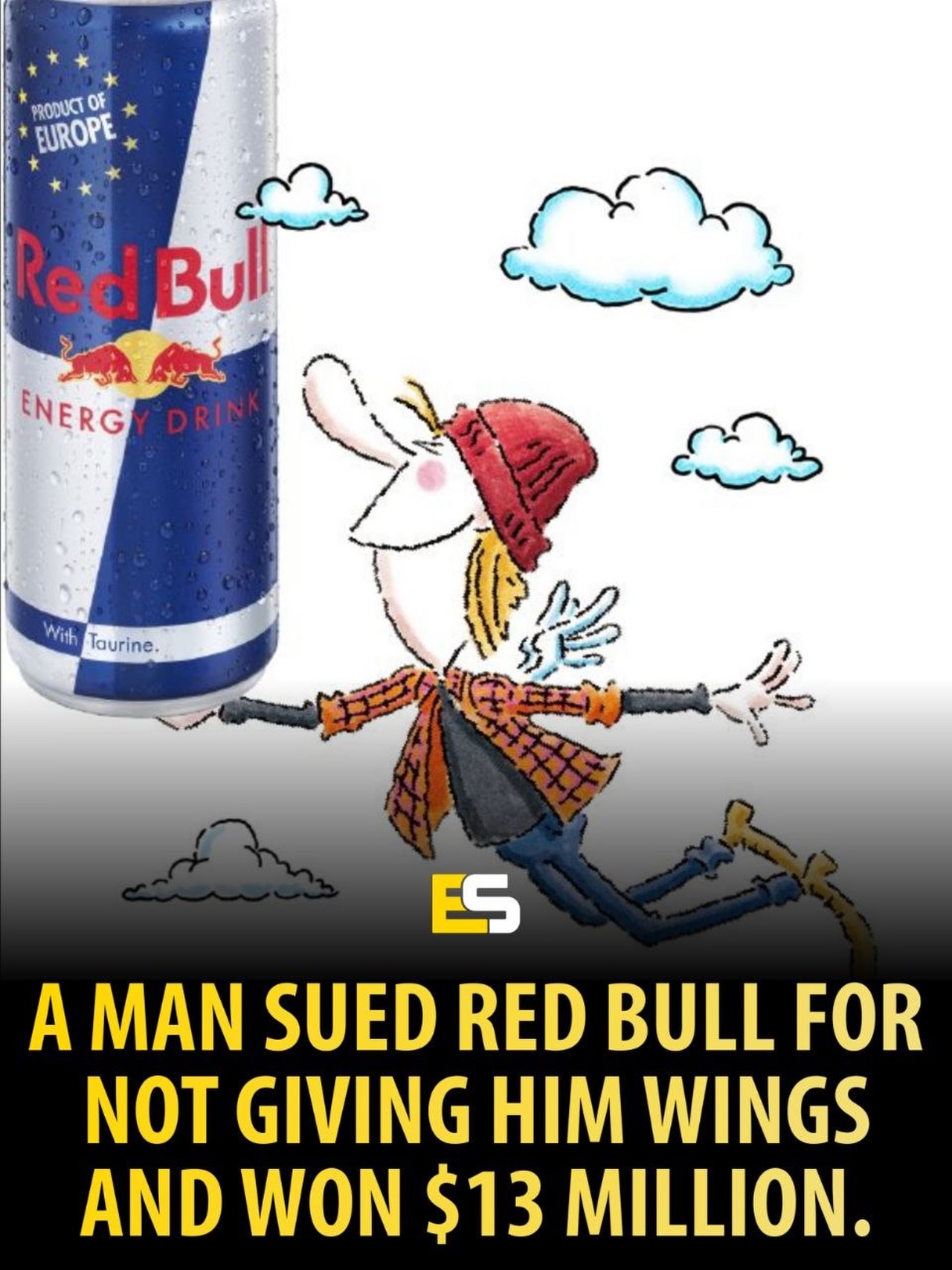
The Red Bull Lawsuit: When Energy Drinks Don't Give Wings
The iconic tagline "Red Bull gives you wings" has been a staple of the energy drink's marketing campaigns for decades. However, in a surprising turn of events, a man sued the company for false advertising, claiming that Red Bull did not, in fact, give him wings. This legal battle culminated in a notable settlement, raising questions about advertising claims and consumer expectations.
Why This Matters
The lawsuit against Red Bull highlights the importance of advertising claims and the potential legal consequences when those claims are perceived as misleading. For consumers, it serves as a reminder to approach marketing slogans with a critical eye. For companies, it underscores the need for transparency and accuracy in advertising.
Understanding the Lawsuit
The False Advertising Claim
The lawsuit centered around Red Bull's famous slogan, "Red Bull gives you wings." The plaintiff, a consumer of Red Bull, argued that the drink did not deliver the promised benefits, specifically the "wings" or enhanced physical performance. This claim of false advertising led to a legal battle that garnered significant attention.
The Legal Process
The case went to court, where the plaintiff presented evidence to support his claim that Red Bull's marketing was deceptive. The court had to determine whether the slogan "gives you wings" was a metaphorical claim or a literal promise of enhanced physical capabilities. Ultimately, the plaintiff's arguments were compelling enough to result in a settlement.
The Settlement
The lawsuit resulted in a $13 million settlement. This significant payout underscores the legal risks companies face when their advertising claims are deemed misleading. Red Bull, known for its aggressive marketing strategies, found itself in a position where it had to account for the perceived misleading nature of its slogan.
The Role of Taurine
One of the key components often highlighted in Red Bull's marketing is taurine, an amino acid. The company has long promoted taurine as a key ingredient that contributes to the drink's energizing effects. However, the lawsuit raised questions about the actual benefits of taurine and whether the drink truly delivers on its promises.
What is Taurine?
Taurine is an amino acid found naturally in the body and in various foods. It is often included in energy drinks for its purported benefits, such as improved physical performance and mental alertness. However, scientific evidence supporting these claims is mixed, and the extent of taurine's effects can vary widely among individuals.
The Marketing vs. Reality
Red Bull's marketing often emphasizes the energizing effects of taurine, but the reality may be more nuanced. The lawsuit suggested that consumers might be misled by the company's claims about taurine's benefits. This highlights the importance of clear and honest communication about the ingredients and their effects.
Practical Tips
Reading Product Labels
When purchasing energy drinks or any other beverage, it's important to read the product labels carefully. Look for ingredients like taurine and understand their potential effects. Remember that marketing claims should be taken with a grain of salt and verified through independent research or trusted sources.
Understanding Advertising Claims
Advertising claims can be persuasive, but they are not always backed by scientific evidence. Be critical of slogans and promises made by companies, especially those that seem too good to be true. Conduct your own research and rely on credible sources to make informed decisions.
Important Takeaways
The Red Bull lawsuit serves as a reminder that advertising claims can have legal consequences if they are deemed misleading. Consumers should approach marketing slogans with skepticism and companies should prioritize transparency in their advertising.
Consumer Awareness
Consumers play a crucial role in holding companies accountable for their marketing claims. By being informed and critical, consumers can drive companies to be more transparent and honest in their advertising practices.
Corporate Responsibility
Companies must understand the legal and ethical implications of their advertising claims. Transparency and accuracy are essential to build trust with consumers and avoid potential legal issues.
Conclusion
The Red Bull lawsuit highlights the complexities of advertising claims and the legal risks associated with misleading marketing. For consumers, it underscores the importance of being critical and informed when evaluating product claims. For companies, it serves as a reminder to prioritize transparency and honesty in their advertising strategies.
Questions readers ask
What was the main issue in the Red Bull lawsuit?
The main issue in the Red Bull lawsuit was a consumer's claim that the energy drink company engaged in false advertising. The consumer argued that Red Bull's iconic slogan, 'Red Bull gives you wings,' was misleading and did not deliver on its promises, leading to legal action against the company.
What was the outcome of the lawsuit against Red Bull?
The lawsuit against Red Bull resulted in a significant settlement of $13 million. This outcome underscored the importance of transparent and accurate advertising for companies, as well as the need for consumers to critically evaluate marketing claims.
Why is transparency in advertising important for companies, especially energy drink brands?
Transparency in advertising is crucial for companies, particularly energy drink brands, to maintain consumer trust and avoid legal consequences. Clear and accurate marketing helps manage consumer expectations and reduces the risk of lawsuits related to false advertising claims.
How can consumers protect themselves from misleading advertising claims?
Consumers can protect themselves by critically evaluating marketing claims and not taking slogans at face value. Researching products independently and understanding that advertising often uses hyperbole can help consumers make more informed decisions and avoid being misled.
What are the potential legal consequences for companies that engage in false advertising?
Companies that engage in false advertising face potential legal consequences, including lawsuits and significant settlements. These outcomes can damage a company's reputation and financial stability, making it essential for businesses to ensure their advertising claims are accurate and transparent.
What did the Red Bull settlement mean for future consumer legal actions against beverage companies?
The Red Bull settlement set a precedent for future consumer legal actions against beverage companies by demonstrating that consumers can take action when they feel misled by advertising. This case emphasized the importance of accurate marketing and the potential legal repercussions for companies that do not adhere to these standards.
Recent articles
Fresh deep dives from the latest Reels we unpacked.




Comments
Be the first to comment.