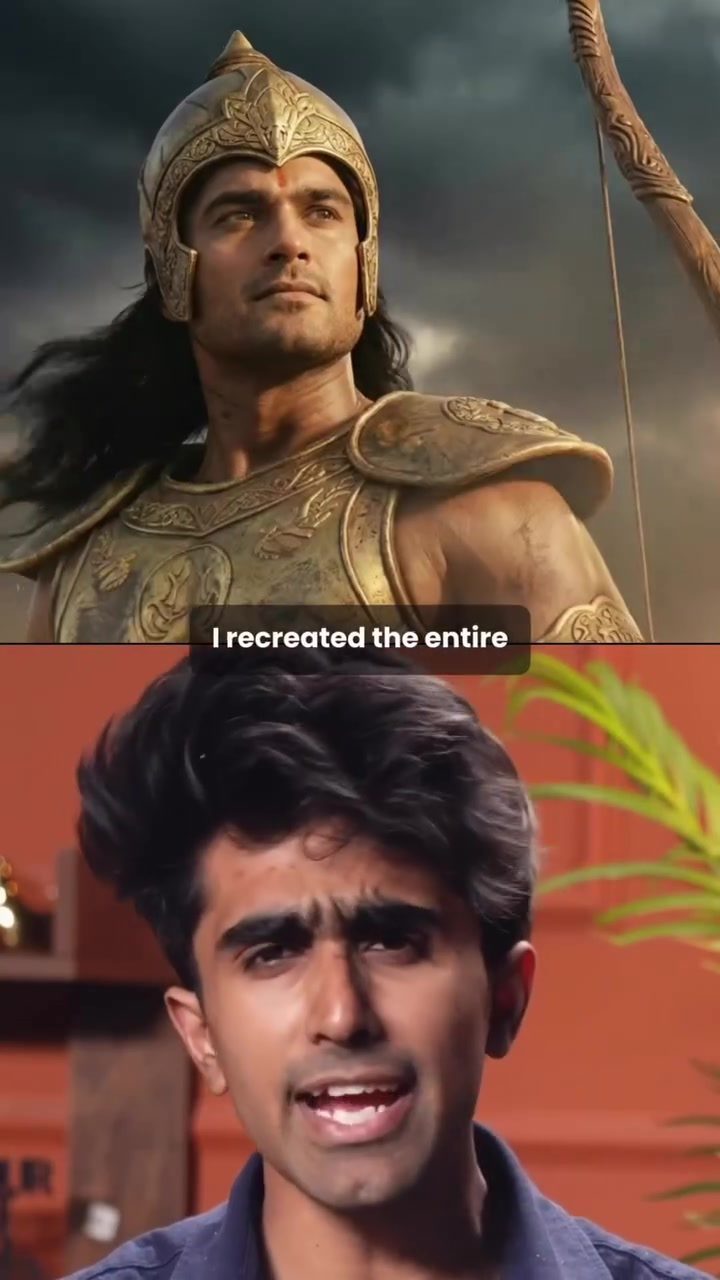
Recreating the Mahabharata's Kurukshetra Dead Scene Using AI Filmmaking Tools
Recollecting epic battle scenes from ancient texts like the Mahabharata can be a daunting task for filmmakers. However, modern advancements in AI filmmaking tools have made this process more accessible and efficient. One such tool is Morphic, a next-generation AI tool that simplifies the process of recreating historical scenes. This article delves into how Morphic can be used to recreate the iconic Kurukshetra Dead Scene of Karna from the Mahabharata using just five key steps.
Context: The Significance of Recreating Historical Scenes
The Mahabharata is one of the longest epic poems in the world, filled with rich narratives and memorable characters. Recreating scenes from this epic can bring historical and cultural significance to life, making them more accessible to modern audiences. However, the complexity and scale of these scenes often require sophisticated tools and techniques. AI filmmaking tools like Morphic offer a streamlined approach to this process, allowing creators to focus on the creative aspects rather than getting bogged down by technical details.
Step-by-Step Guide to Recreating the Scene
1. Research and Rewriting the Story
The first step in recreating the Kurukshetra Dead Scene of Karna is to thoroughly research and rewrite the narrative around Karna's final battle. This involves delving into the original text, understanding the context, and then adapting it into a screenplay format. By using the co-pilot feature in Morphic, you can structure the screenplay and generate a complete shot division. These steps ensure that the recreated scene stays faithful to the original narrative while being visually compelling.
2. Setting the Color Tone
The visual tone of a scene can significantly impact its emotional resonance. For a tragic war climax like the Kurukshetra battle, a desaturated and dusty battlefield palette is ideal. This tone can be set in Morphic Canvas, where you can input the desired color palette as a reference. This step ensures that the visuals align with the tragic and somber mood of the scene.
3. Character Creation
Creating hyper-realistic characters is crucial for bringing the scene to life. Morphic's Canvas feature allows you to design characters such as Karna, Arjuna, and Krishna in a cinematic style. You can input descriptions of how each character should look, and the tool will generate multiple images to choose from. Once you select the desired image, you can create a model for each character, ensuring consistency across the scene.
4. Generating Images and Videos
With the color tone and characters set, the next step is to generate the images and videos for the scene. This involves copying the shot division prompt from the co-pilot and pasting it into the Canvas. By selecting style references and consistency tools, you can ensure that all shots maintain a uniform style. Additionally, you can click on each image to convert it into a video, describing the exact actions and dialogues to generate synced cinematic moments.
5. Arranging and Finalizing the Scene
Once all clips are generated, arranging them in storyline format is essential to check continuity and pacing. Adding layers of sound design, such as war ambience, distant conch shells, and heavy breathing, enhances the immersive experience. Finally, creating background music with a deep tragic choir and subtle percussion can build tension and align with the narrative's emotional beats.
Practical Tips for Using AI Filmmaking Tools
Utilize Co-Pilot Features
Morphic's co-pilot feature is a powerful tool for structuring screenplays and generating shot divisions. By leveraging this feature, you can save time and ensure that your scene stays true to the original narrative.
Consistency in Character Design
Maintaining consistency in character design is crucial for a believable recreation. Using the Canvas feature to generate and select character images ensures that all characters have a uniform look and feel throughout the scene.
Enhance with Sound Design
Adding layers of sound design can significantly enhance the immersive experience of the recreated scene. War ambience, distant conch shells, and heavy breathing can make the battle feel more real and engaging.
Align Music with Narrative Beats
Creating background music that aligns with the narrative's emotional beats can build tension and enhance the overall viewing experience. Using Morphic's audio features, you can describe the desired music and ensure it syncs perfectly with the visuals.
Important Takeaways
- Research and Adaptation: Thorough research and adaptation of the original narrative are crucial for an authentic recreation.
- Visual and Audio Consistency: Maintaining visual and audio consistency throughout the scene enhances its believability and immersiveness.
- Leverage AI Tools: AI filmmaking tools like Morphic streamline the process, allowing creators to focus on the creative aspects.
Conclusion
Recreating the iconic Kurukshetra Dead Scene of Karna from the Mahabharata using AI filmmaking tools like Morphic offers a unique blend of historical accuracy and modern technology. By following the outlined steps and practical tips, creators can bring this epic battle to life in a way that respects the original narrative while leveraging the capabilities of advanced technology. Whether you're a filmmaker, historian, or enthusiast, Morphic provides a powerful toolset to recreate historical scenes with stunning detail and emotional depth.
Questions readers ask
What is the Mahabharata and why is the Kurukshetra scene significant?
The Mahabharata is an ancient Indian epic poem that tells the story of two warring families, the Pandavas and Kauravas. The Kurukshetra scene, where the epic battle takes place, is significant because it is the pivotal moment in the story where the fate of the characters is decided. This scene is iconic for its depiction of war, history, and mythology.
What AI tools can help recreate the Mahabharata's Kurukshetra scene?
The article mentions Morphic, a cutting-edge AI tool designed to simplify the process of recreating historical scenes. Morphic allows users to generate realistic depictions of epic battles and characters, making it an excellent choice for recreating the Mahabharata's Kurukshetra scene.
How can AI help in recreating the Karna scene from the Mahabharata?
AI tools like Morphic can help in recreating the Karna scene by providing advanced features such as character generation, scene composition, and realism. These tools can automate complex processes, ensuring that the recreated scene is both accurate and visually stunning.
What are the benefits of using AI in recreating epic battle scenes like Kurukshetra?
Using AI in recreating epic battle scenes offers several benefits, including enhanced realism, streamlined production processes, and the ability to generate intricate details quickly. AI tools can also reduce the time and cost associated with traditional filmmaking methods.
Can AI accurately portray the historical context of the Mahabharata?
While AI can generate highly realistic and detailed depictions of historical scenes, it relies on the input data provided. To accurately portray the historical context of the Mahabharata, it is essential to use detailed descriptions and references from the original text and consult with experts in the field.
Related deep dives
Similar reads based on topic and creator.
Recent articles
Fresh deep dives from the latest Reels we unpacked.




Comments
Be the first to comment.