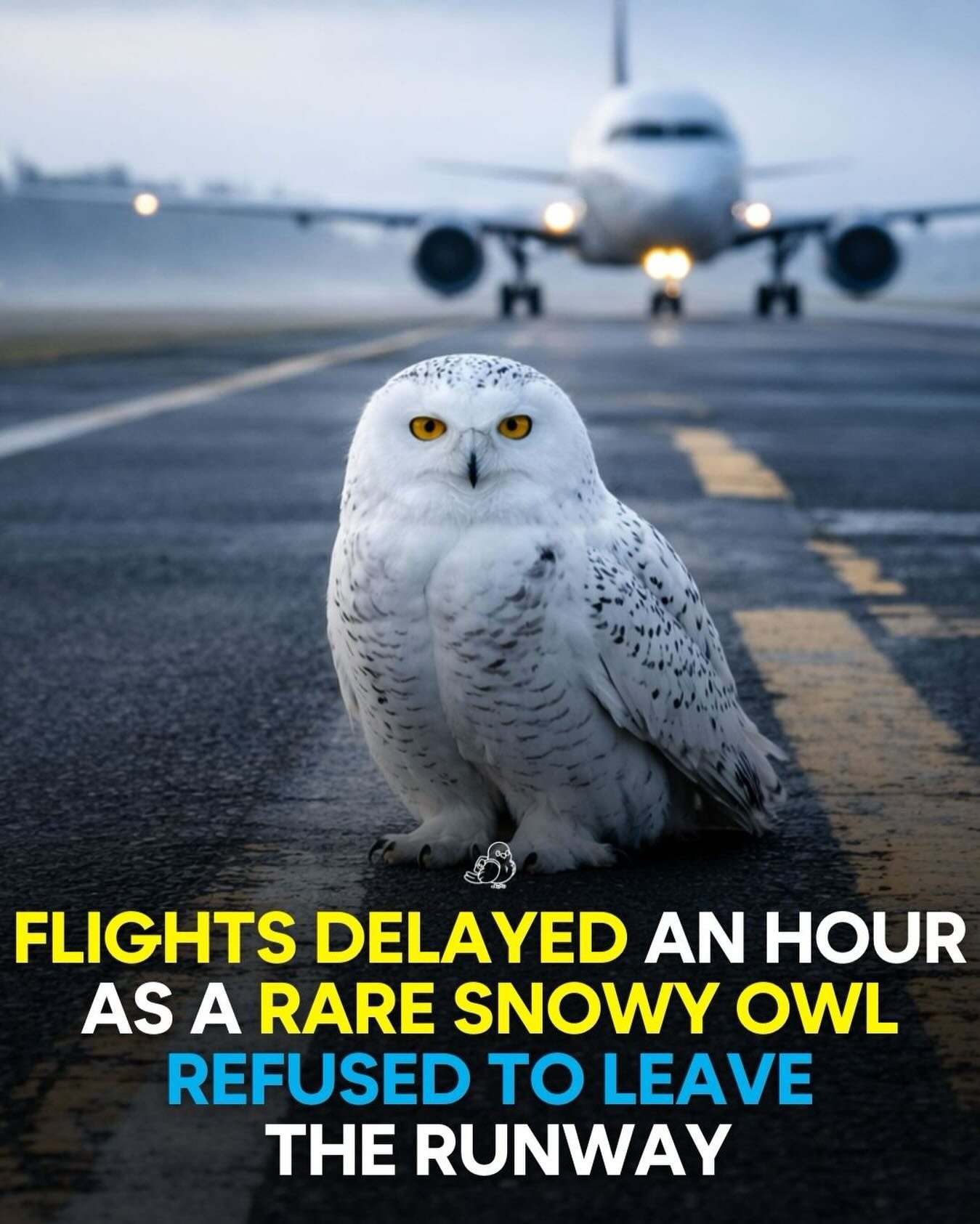
Snowy Owl Disrupts Airport Operations
Flights at a major airport were delayed when a snowy owl decided to perch on a runway light and refused to move. This rare event highlights the unexpected ways nature can intersect with human activities, particularly in air travel. Snowy owls, known for their migrations, sometimes land on open runways because they resemble the Arctic habitat to which these birds are accustomed.
Why This Matters
Airports are bustling hubs of human activity, but they can also serve as unexpected landing spots for migratory birds. The presence of a snowy owl on a runway can cause significant operational challenges. Understanding these interactions is crucial for both maintaining flight schedules and ensuring the safety of wildlife.
The Snowy Owl and Its Winter Migrations
Migratory Patterns
Snowy owls are typically found in the Arctic regions of North America. During the winter, they often migrate south in search of food and suitable habitats. This migration can bring them to unexpected locations, including busy airports with runways that may resemble their natural hunting grounds.
Runway Resemblances
Runways, with their open spaces and clear visibility, can be mistaken for the Arctic tundra by these birds. The flat, expansive surfaces and bright lights may attract them, leading to occasional disruptions in airport operations.
The Operational Impact
Flight Delays
The presence of a snowy owl on a runway can result in significant delays. Airport authorities must prioritize the safety of both passengers and the wildlife. This often means grounding flights until the owl can be safely relocated or deterred, which can take time.
Air Traffic Control
Air traffic controllers play a crucial role in managing these situations. They must coordinate with wildlife experts to ensure that the owl is safely removed from the runway without causing harm to the bird. This process can involve specialized techniques and equipment designed to minimize stress for the owl and disruption to air travel.
Wildlife Management at Airports
Wildlife Teams
Many airports employ dedicated wildlife management teams. These teams are trained to handle a variety of wildlife encounters, from birds to larger animals. Their goal is to ensure that both the animals and airport operations remain safe and uninterrupted.
Deterrence and Relocation
Deterrence methods can include the use of loud noises, visual deterrents, or even specially trained birds of prey to scare off the intruder. If these methods are ineffective, relocation may be necessary. Wildlife teams must often work quickly and efficiently to minimize delays and ensure the safety of the owl.
Safety First
The safety of both passengers and wildlife is paramount. Wildlife teams are trained to handle these situations with the utmost care, ensuring that the owl is not harmed during the relocation process. This careful approach helps to maintain the delicate balance between human activity and wildlife conservation.
Practical Tips for Managing Wildlife Encounters
Awareness and Preparation
Airports can take several steps to minimize the impact of wildlife encounters. Regular wildlife management training for staff, including air traffic controllers and ground crew, is essential. Preparedness includes having the necessary equipment and protocols in place to handle such situations swiftly and effectively.
Technological Solutions
Advancements in technology can also aid in wildlife management. For example, motion sensors and drones can help detect and monitor wildlife on the runway. This early detection can allow for quicker intervention and reduce the risk of flight delays.
Community Engagement
Engaging with local communities and wildlife conservation groups can provide valuable insights. Collaboration with these organizations can help airports develop more effective strategies for managing wildlife, particularly during migration seasons.
Important Takeaways
Wildlife encounters at airports, while rare, highlight the interconnectedness of nature and human activity. These events remind us of the importance of wildlife conservation and the need for preparedness in managing unexpected situations.
Safety remains the top priority for both passengers and wildlife. Effective wildlife management strategies, including deterrence and relocation, play a crucial role in maintaining the balance between air travel and natural habitats.
Conclusion
The presence of a snowy owl on an airport runway serves as a reminder of the delicate balance between nature and human activities. By understanding the migratory patterns of these birds and implementing effective wildlife management strategies, airports can minimize disruptions and ensure the safety of both passengers and wildlife.
Questions readers ask
Why do snowy owls sometimes land on airport runways?
Snowy owls, native to the Arctic, often mistake airport runways for their natural habitat due to the open and flat terrain. This is especially true during their migratory patterns, which can bring them to unexpected locations, including airports.
How do snowy owls cause flight delays at airports?
When a snowy owl lands on a runway, airport operations must be halted for safety reasons. This includes stopping all flights until the bird is safely removed, leading to significant flight delays and disruptions to air travel schedules.
What happens when a snowy owl is spotted on an airport runway?
Airport personnel typically follow specific protocols to safely remove the owl from the runway. This can involve wildlife control experts who carefully relocate the bird to a more suitable habitat, ensuring both the bird’s safety and the resumption of airport operations.
Why is the intersection of wildlife and airports a challenge for air travel?
Airports are designed for human activities and infrastructure, not natural habitats. When migratory birds like snowy owls land on runways, it poses challenges for airport safety and operational efficiency. Therefore, balancing air travel with wildlife safety is crucial.
How do airports prepare for unexpected wildlife encounters?
Airports often have contingency plans in place for wildlife encounters, including the presence of wildlife control teams. These teams are trained to handle various situations, such as relocating birds safely and minimizing disruptions to flight schedules.
What can passengers do if their flight is delayed due to a snowy owl?
Passengers should stay informed through airport announcements and airline updates. While these delays are frustrating, understanding that safety protocols are in place for both human and animal safety can provide some reassurance.
Are snowy owl sightings at airports common?
No, snowy owl sightings at airports are quite rare. However, when they do occur, they can lead to unique and memorable experiences for those who witness them, despite the inconvenience caused by flight delays.
Related deep dives
Similar reads based on topic and creator.




Recent articles
Fresh deep dives from the latest Reels we unpacked.




Comments
Be the first to comment.