Rhino Conservation
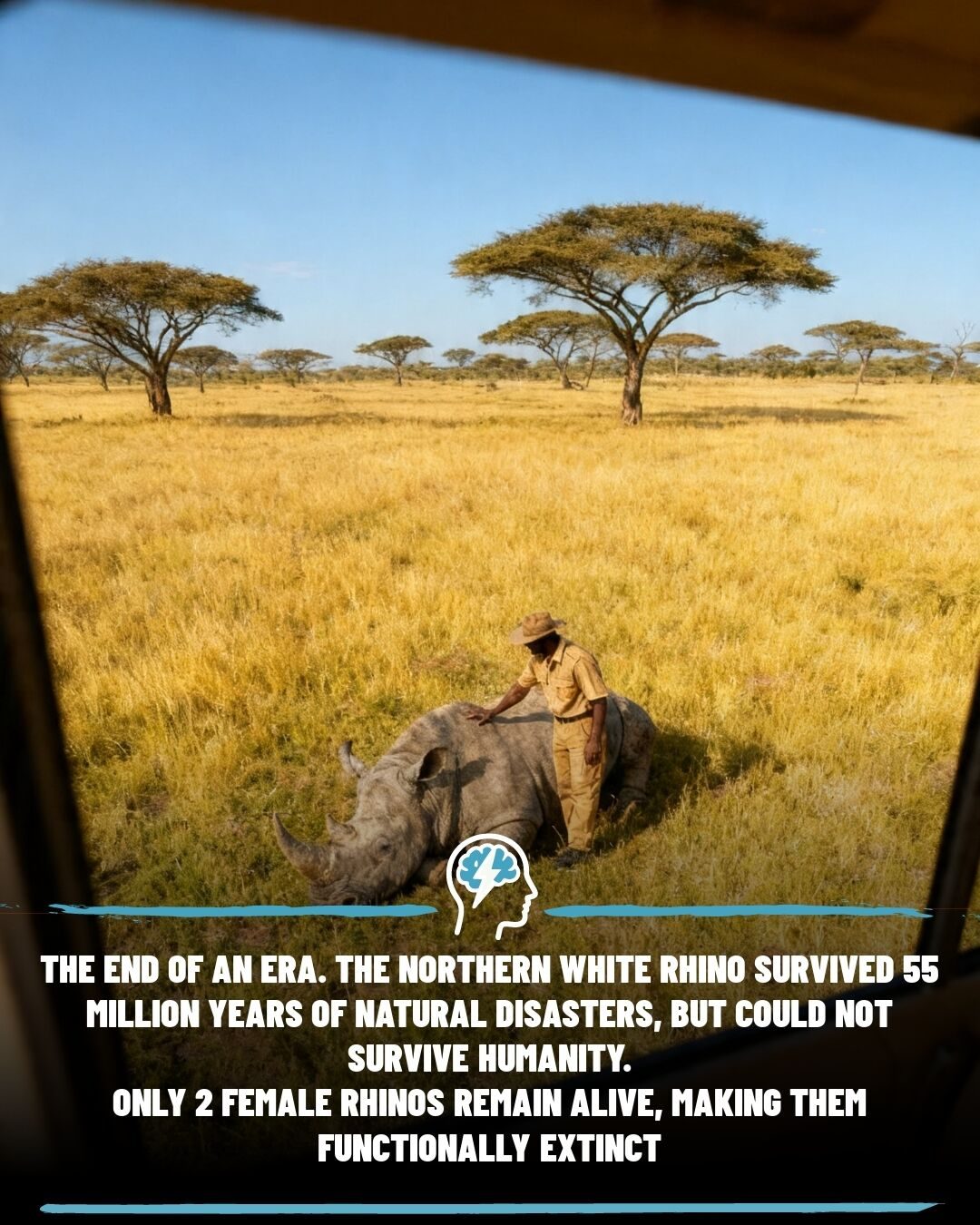
The Northern White Rhino is a stark reminder of the fragility of our planet’s biodiversity. With only two females remaining, Najin and Fatu, the subspecies is functionally extinct. Their story is a poignant example of how human actions can decimate even the most resilient species.
Context / Why this matters
The plight of the Northern White Rhino underscores the broader issue of wildlife conservation. The rapid decline of this subspecies from around 500 in the 1970s to just two females today highlights the devastating impact of poaching and habitat loss. The species’ trajectory is a sobering reminder of the urgent need for comprehensive conservation efforts.
Main discussion
The Decline of the Northern White Rhino
The Northern White Rhino’s decline is a direct result of human activities. In the 1970s, an estimated 500 Northern White Rhinos roamed the savannas of Africa. By the 1980s, poaching for their horns and conflicts had reduced their numbers to around 15. By 2008, the last wild herd in Garamba National Park was gone. The death of Sudan, the last male, in 2018 marked the subspecies’ functional extinction, leaving only Najin and Fatu.
Conservation Efforts
Efforts to save the Northern White Rhino are underway, but they face significant challenges. Scientists are working to create embryos using preserved cells from Sudan and other Northern White Rhinos through IVF and stem-cell techniques. These embryos would be carried by southern white rhino surrogates, a groundbreaking but uncertain process that could take years to succeed. The complexity and uncertainty of this endeavor underscore the urgency of preventing further species loss.
The Role of Poaching and Habitat Loss
Poaching and habitat loss are the primary drivers of the Northern White Rhino’s decline. The demand for rhino horns, driven by traditional medicines and trophies, has led to relentless poaching. Habitat destruction, driven by human encroachment and conflict, has further exacerbated the problem. These factors have pushed the Northern White Rhino to the brink of extinction and have similar effects on countless other species.
The Broader Impact on Wildlife
The Northern White Rhino’s story is not unique. Poaching and habitat loss are driving countless species toward the same cliff. The rapid decline of the Northern White Rhino serves as a stark warning of what can happen when human choices prioritize immediate gains over long-term conservation. It is a call to action for global efforts to protect wildlife and their habitats.
Practical tips
Supporting Anti-Poaching Patrols
Anti-poaching patrols are crucial in protecting endangered species. Supporting organizations that fund and deploy these patrols can help deter poaching activities. Contributing to initiatives that provide better technology, training, and resources for rangers can make a significant difference in safeguarding wildlife.
Demanding Accountability for Wildlife Trafficking
Demanding stricter laws and enforcement against wildlife trafficking is essential. Encouraging governments and international bodies to enforce these laws can help curb the illegal trade of animal parts. Advocating for harsher penalties for wildlife traffickers can act as a deterrent and reduce the demand for products like rhino horns.
Funding Conservation Science
Investing in conservation science is critical for the development of innovative solutions to protect endangered species. Supporting research into IVF, stem-cell techniques, and other advancements can help in the recovery of critically endangered species like the Northern White Rhino. Funding conservation organizations that focus on scientific research can lead to breakthroughs in wildlife preservation.
Protecting Habitat
Protecting and restoring habitats is fundamental to conservation efforts. Supporting initiatives that aim to preserve natural habitats and promote sustainable land use can help prevent the decline of wildlife populations. Encouraging reforestation, sustainable farming practices, and creating protected areas can ensure that species have the space and resources they need to thrive.
Important takeaways
The story of the Northern White Rhino is a poignant reminder of the urgency of wildlife conservation. The rapid decline of this subspecies highlights the devastating impact of poaching and habitat loss. Efforts to save the Northern White Rhino through advanced scientific techniques show the potential for recovery, but also the challenges involved. Supporting anti-poaching patrols, demanding accountability for wildlife trafficking, funding conservation science, and protecting habitats are essential steps in preventing further losses.
Conclusion
The story of the Northern White Rhino is a call to action. It underscores the need for comprehensive and urgent conservation efforts to protect endangered species and their habitats. By supporting initiatives that address the root causes of species decline, we can make a meaningful difference in preserving the planet’s biodiversity. The fate of the Northern White Rhino serves as a stark reminder of what is at stake and what we can do to ensure a future where wildlife thrives.
Questions readers ask
What is the current status of the Northern White Rhino population?
The Northern White Rhino population is critically low, with only two females, Najin and Fatu, remaining. This makes the subspecies functionally extinct in the wild, highlighting the urgent need for conservation efforts.
What are the primary threats to the Northern White Rhino?
The primary threats to the Northern White Rhino are poaching and habitat loss. These factors have led to a drastic decline in their numbers, from around 500 in the 1970s to just two individuals today.
Where are the last two Northern White Rhinos located?
Najin and Fatu, the last two Northern White Rhinos, reside at the Ol Pejeta Conservancy in Kenya. This conservancy is committed to their protection and the broader goal of rhino conservation.
What is being done to prevent the extinction of the Northern White Rhino?
Various conservation efforts are underway, including anti-poaching measures, habitat protection, and innovative breeding techniques. Global awareness and support are crucial to these initiatives aimed at preserving the species.
What role does wildlife habitat loss play in the decline of the Northern White Rhino?
Habitat loss has significantly impacted the Northern White Rhino by reducing their living space and resources, making them more vulnerable to poaching and other threats. Protecting and restoring their habitat is essential for their survival.
How does poaching contribute to the decline of the Northern White Rhino?
Poaching, driven by the demand for rhino horns, has decimated the Northern White Rhino population. Effective prevention strategies, including stricter enforcement and awareness campaigns, are vital to combat this threat.
What can individuals do to support Northern White Rhino conservation efforts?
Individuals can support Northern White Rhino conservation by raising awareness, donating to reputable conservation organizations, and advocating for stricter anti-poaching laws. Every action contributes to the global effort to save the last two rhinos and prevent further extinction.
Related deep dives
Similar reads based on topic and creator.


Recent articles
Fresh deep dives from the latest Reels we unpacked.




Comments
Be the first to comment.