Raccoons in Coastal Environments: Curious Observations
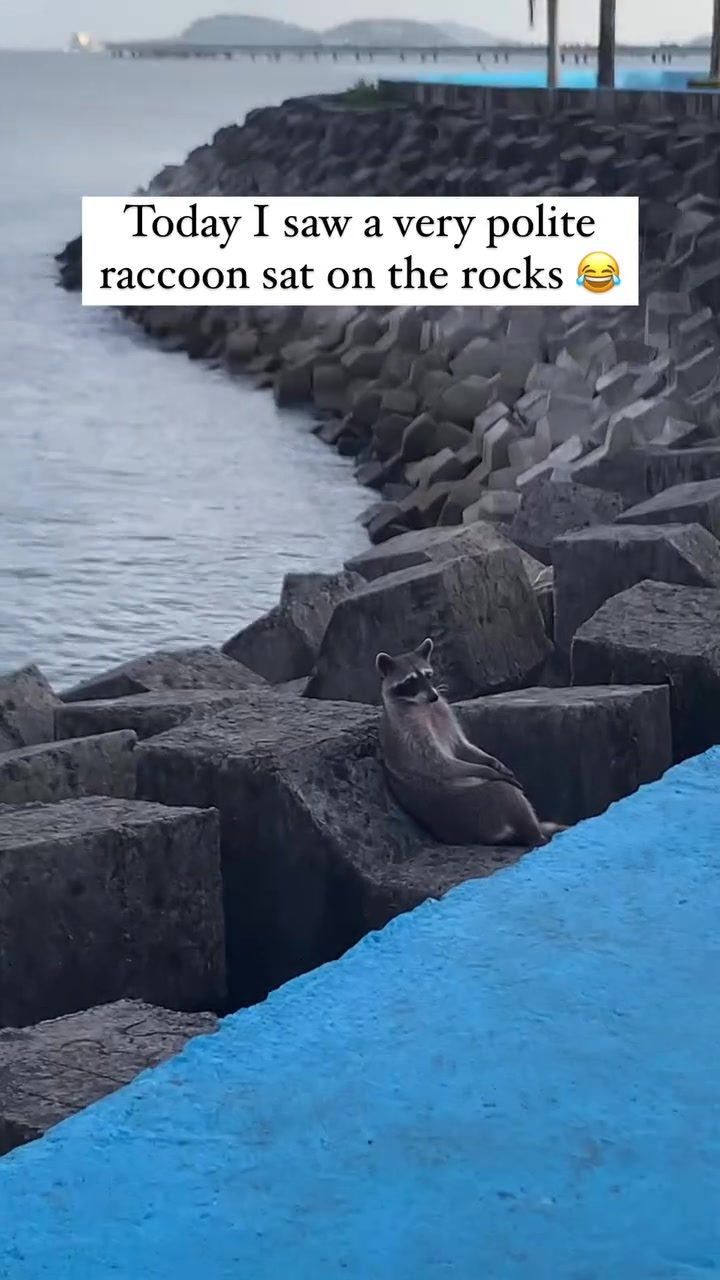
Raccoons are often associated with urban and suburban environments, but they are also quite adaptable and can be found in a variety of settings, including coastal areas. A recent observation highlights a raccoon sitting on rocks near the water, providing a unique glimpse into the behavior of these clever creatures. The sighting of a raccoon in such a position raises questions about their adaptability, behavior, and their interactions with coastal habitats.
Context / Why This Matters
Raccoons are known for their intelligence and adaptability, making them one of the most successful wildlife species in urban and suburban areas. Their ability to thrive in diverse environments, including coastal regions, underscores the importance of understanding their behavior and habitat preferences. This knowledge can aid in conservation efforts, wildlife management, and the preservation of natural habitats.
Main Discussion
Coastal Habitats
Coastal areas provide a unique ecosystem that supports a variety of wildlife, including raccoons. These habitats often feature a mix of rocky shores, beaches, and marshes, which offer abundant food sources and shelter. For raccoons, coastal environments can be particularly attractive due to the availability of shellfish, crustaceans, and other marine creatures. The sight of a raccoon sitting on rocks near the water suggests that these animals are able to adapt to and thrive in coastal habitats, making them a common sight in many coastal regions.
Adaptability of Raccoons
Raccoons are known for their resourcefulness and adaptability, which allows them to survive in a wide range of environments. Their dexterous hands, keen sense of smell, and intelligent problem-solving skills make them well-suited to exploit various food sources, including those found in coastal areas. The ability of raccoons to adapt to different habitats, including coastal regions, is a testament to their versatility and resilience.
Behavior and Habitat Preferences
Raccoons are nocturnal animals, which means they are most active during the night. Their behavior often includes foraging for food, exploring new territories, and interacting with other animals. The observation of a raccoon sitting on rocks near the water highlights their natural curiosity and adaptability. This behavior suggests that raccoons are comfortable in coastal environments and are able to find food and shelter in these areas. Understanding their behavior and habitat preferences can help in developing strategies for wildlife conservation and management.
Human Interaction and Wildlife Management
The presence of raccoons in coastal areas can have both positive and negative impacts on human-wildlife interactions. While raccoons can be a nuisance in urban and suburban settings, their role in coastal habitats is often more nuanced. They play an important role in controlling insect populations and maintaining the balance of coastal ecosystems. However, their adaptability and resourcefulness can sometimes lead to conflicts with humans, particularly in areas where they may be seen as pests.
Practical Tips
For those interested in observing raccoons in coastal environments, there are several practical tips to keep in mind:
Observation Techniques
-
Timing: Raccoons are primarily nocturnal, so the best time to observe them is during the night or early morning hours when they are most active. If you are looking for raccoons during daylight hours, consider going to an area where they frequently visit but be patient.
-
Location: Choose a location that offers a good view of the coastal habitat, such as a rocky shore or a beach. Look for areas where raccoons are likely to forage for food, such as near tide pools, cliffs, or marshes.
-
Caution: Always maintain a safe distance from raccoons to avoid disturbing them or putting yourself at risk. Use binoculars or a telephoto lens for a closer look without getting too close.
Minimizing Human Impact
-
Respect Wildlife: Remember that raccoons are wild animals and should be treated with respect. Avoid feeding them or disturbing their habitats, as this can lead to negative impacts on their behavior and health.
-
Cleanliness: Keep your surroundings clean and avoid leaving food or trash out in the open, as this can attract raccoons and other wildlife. Proper waste management is essential for minimizing human-wildlife conflicts.
Important Takeaways
Raccoons are adaptable and resourceful animals that can thrive in a variety of environments, including coastal areas. Their ability to adapt to different habitats is a testament to their resilience and intelligence. Observing raccoons in coastal environments can provide valuable insights into their behavior, habitat preferences, and interactions with humans. By understanding these aspects, we can develop effective strategies for wildlife conservation and management.
Conclusion
The sight of a raccoon sitting on rocks near the water offers a fascinating glimpse into the adaptability and behavior of these clever creatures. Coastal habitats provide a unique ecosystem that supports a variety of wildlife, and raccoons are well-equipped to thrive in these environments. By observing and understanding their behavior, we can gain valuable insights into their ecology and develop strategies for conservation and wildlife management. Whether you are a wildlife enthusiast, a nature photographer, or simply curious about the natural world, there is much to learn and appreciate from the adaptability of raccoons in coastal environments.
Questions readers ask
How do raccoons adapt to coastal environments?
Raccoons adapt to coastal environments by utilizing their natural curiosity and problem-solving skills to exploit the available resources. They can find food in beaches, rocky areas and mangroves. They can also build shelters in a variety of locations, including trees, rocks and even man-made structures. This adaptability allows them to thrive in diverse ecosystems, including coastal habitats.
What types of food do raccoons find in coastal areas?
In coastal areas, raccoons have a varied diet. They may forage for crabs, mussels, and other shellfish along the shore. They also eat fish, birds, and small mammals. Raccoons may also scavenge for food in and around coastal human settlements, eating garbage, pet food, and other readily available items.
What makes the sighting of a raccoon on coastal rocks notable?
The sighting of a raccoon on coastal rocks is notable because it highlights their adaptability and their ability to thrive in diverse ecosystems. It also provides a unique glimpse into their behavior and how they interact with coastal habitats, which are not typically places where people expect to see raccoons.
What does the viral raccoon video show?
The viral raccoon video showcases a raccoon sitting on rocks near the water, demonstrating their comfort and adaptability in coastal environments. The footage offers insights into their behavior and their ability to navigate and find resources in these habitats, which is why it has gained so much attention.
Why are raccoons considered successful in diverse environments?
Raccoons' intelligence and adaptability make them successful in diverse environments, including coastal regions. They have a varied diet, can build shelters in various locations, and can thrive in both urban and natural settings. This adaptability allows them to find and exploit resources effectively, making them a common sight in many different ecosystems, including coastal habitats.
Can raccoons be found in other natural environments besides coastal and urban areas?
Yes, raccoons are versatile and can be found in a variety of natural environments besides coastal and urban areas. They inhabit woodlands, forests, and marshes, showcasing their ability to adapt to different terrains and food sources. This versatility contributes to their widespread presence across various habitats.
What can we learn from a raccoon sitting on rocks near the water?
A raccoon sitting on rocks near the water reveals their adaptability and comfort in a variety of environments. It also highlights their resourcefulness and ability to navigate different landscapes. This behavior underscores the importance of understanding and respecting wildlife, and how their adaptability allows them to thrive in diverse ecosystems, including coastal habitats.
Related deep dives
Similar reads based on topic and creator.

Recent articles
Fresh deep dives from the latest Reels we unpacked.




Comments
Be the first to comment.