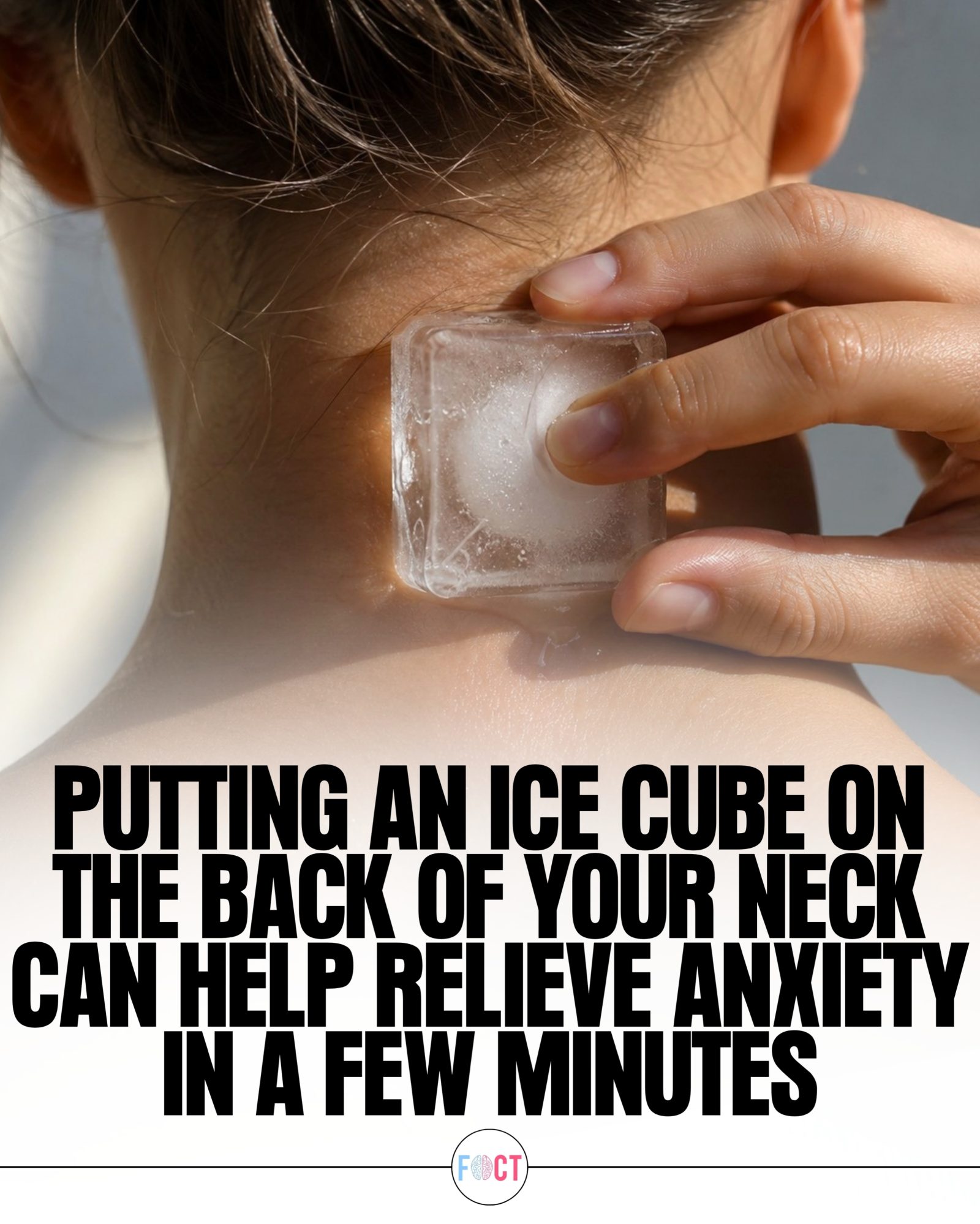
Ice Cubes and Anxiety Relief
Applying a cold object, such as an ice cube or cold pack, to the back of your neck can be a simple yet effective way to manage anxiety. This technique relies on the body's natural cooling response and can help shift attention away from anxious thoughts, providing a quick sense of calm.
Why This Matters
Anxiety is a common experience that can range from mild to debilitating. While professional treatment and long-term coping strategies are essential for managing persistent anxiety, quick grounding techniques can offer immediate relief during moments of overwhelm. The method of using a cold object on the back of the neck is a practical, non-invasive approach that anyone can try.
The Science Behind the Technique
The idea behind this technique is to engage the body's natural cooling response. When an ice cube is applied to the back of the neck, the cold sensation can activate certain nerve receptors that send signals to the brain. These signals can help to regulate the body's temperature and reduce physiological reactions to stress, such as increased heart rate and rapid breathing. Moreover, the focus required to apply the ice cube and the sensation it produces can help to distract the mind from anxious thoughts, offering a moment of respite.
The Role of the Vagus Nerve
The back of the neck is a strategic location for this technique because it is close to the vagus nerve, which plays a crucial role in the body's relaxation response. The vagus nerve connects the brain to various parts of the body, including the heart, lungs, and digestive system. Stimulating this nerve can help to slow the heart rate and promote a sense of calm. Applying a cold object to this area may indirectly stimulate the vagus nerve, contributing to the anxiety-relieving effects.
The Cooling Effect
The cooling effect of the ice cube also plays a significant role in reducing anxiety. When the body experiences a sudden drop in temperature, it triggers a series of physiological responses aimed at warming up. This includes increased blood flow to the skin and other peripheral areas. This shift in blood flow can help to counteract the physiological symptoms of anxiety, such as sweating and a racing heart, and promote a sense of calm.
Shifting Attention
Another key aspect of this technique is its ability to shift attention away from anxious thoughts. Anxiety often involves a cycle of negative thoughts that can be difficult to break. By focusing on the sensation of the cold object on the back of the neck, individuals can temporarily disrupt this cycle and gain a moment of clarity. This redirection of attention can be particularly helpful in situations where anxiety levels are rising and immediate relief is needed.
Practical Tips
To make the most of this anxiety-relief technique, follow these practical tips:
Choose the Right Tool
While an ice cube is a convenient and readily available option, a cold pack or ice pack can also work well. The key is to have a cold object that can be comfortably placed on the back of the neck without causing discomfort or slipping.
Positioning
Position the cold object at the base of the skull, where the neck meets the head. This area is rich in nerve endings and blood vessels, making it an ideal spot for stimulating the body's cooling response. Hold the object in place for a few minutes or until you feel a sense of calm.
Practice Deep Breathing
To enhance the effectiveness of this technique, practice deep breathing exercises while applying the cold object. Take slow, steady breaths, inhaling through the nose and exhaling through the mouth. This can help to further activate the body's relaxation response and promote a sense of calm.
Use as a Complementary Technique
Remember that while this technique can provide immediate relief, it is best used as a complement to other anxiety management strategies. Incorporate it into a broader wellness routine that includes deep breathing exercises, mindfulness practices, and professional treatment if necessary.
Important Takeaways
- Applying a cold object to the back of the neck can help relieve anxiety by activating the body's natural cooling response and shifting attention away from anxious thoughts.
- The technique is quick, easy, and non-invasive, making it a practical option for moments of overwhelm.
- This method works best when used alongside other coping strategies, such as deep breathing, mindfulness, and professional treatment.
Conclusion
Using an ice cube or cold pack on the back of the neck is a simple yet effective way to manage anxiety. By leveraging the body's natural cooling response and the vagus nerve, this technique can provide immediate relief and help to shift attention away from anxious thoughts. While it is not a proven treatment for anxiety, it can be a useful addition to a broader coping strategy.
Questions readers ask
How does the ice cube technique work for anxiety relief?
The ice cube technique works by stimulating the body's natural cooling response. When you apply an ice cube to the back of your neck, your body reacts to the cold, which can help distract from anxious thoughts and promote a sense of calm. This physical sensation can help shift attention away from mental stress.
Is the ice cube technique safe for everyone?
The ice cube technique is generally safe for most people, but it may not be suitable for individuals with certain medical conditions, like Raynaud's disease. If you have any health concerns, it's a good idea to consult with a healthcare provider before trying this technique.
How long should I apply an ice cube to the back of my neck for anxiety relief?
It is recommended to apply the ice cube for a brief period, typically around 30 seconds to 1 minute. This should be long enough to stimulate the body's cooling response and help you feel calmer. If you experience any discomfort, remove the ice cube immediately.
Can I use an ice pack instead of an ice cube for anxiety relief?
Yes, you can use an ice pack instead of an ice cube. Both can provide a similar cooling effect. However, make sure the ice pack is wrapped in a towel or cloth to protect your skin from direct contact with the cold pack. You can also use a cold compress or a cold spoon.
How quickly can the ice cube technique provide anxiety relief?
The ice cube technique can provide quick relief, often within a few minutes. The cooling sensation can help distract from anxious thoughts and promote a sense of calm almost immediately. However, individual responses may vary, so it's important to experiment and see what works best for you.
Can the ice cube technique be used alongside other anxiety management strategies?
Yes, the ice cube technique can be used in conjunction with other anxiety management strategies. While it provides quick relief, it's important to have a comprehensive approach to managing anxiety, including long-term strategies like therapy, mindfulness, and self-care routines.
Recent articles
Fresh deep dives from the latest Reels we unpacked.




Comments
Be the first to comment.