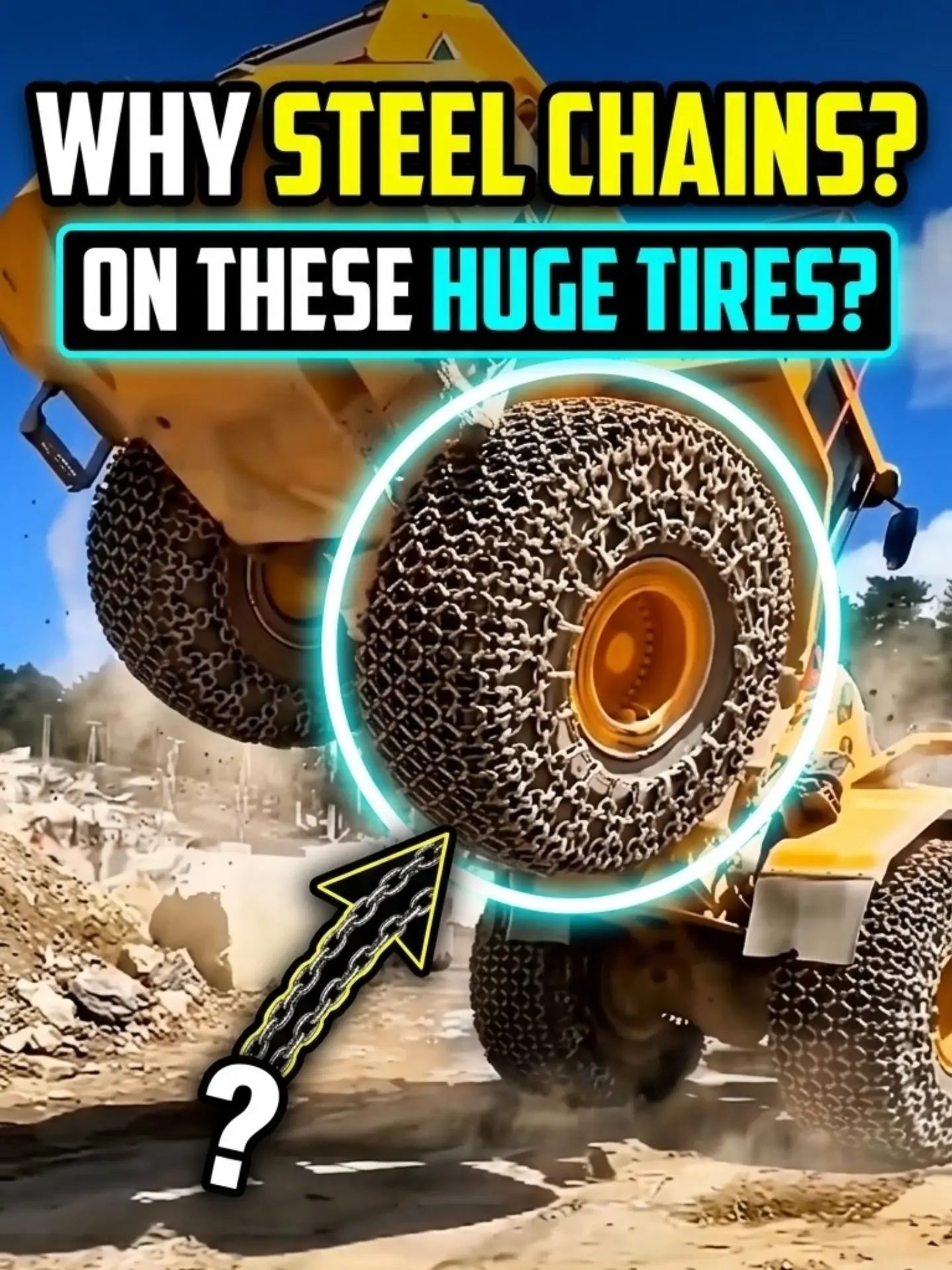
Steel Chains on Tires
Steel chains on tires might seem like an unusual sight, but for giant heavy machinery, they are a crucial piece of equipment. These chains, often found on quarry wheel loaders and mining haulers, serve multiple purposes beyond just providing traction in snowy conditions. They act as full-body armor, protecting the tires and ensuring the safety and efficiency of operations.
Context: Why This Matters
Large earthmoving equipment, such as those used in mining and quarrying, operate in harsh environments. Whether it's loose rock, deep mud, or steep slopes, these machines need to maintain stability and traction. Additionally, the tires on these vehicles are often worth thousands of dollars, making protection against punctures and damage essential. Understanding the importance of steel chains on tires helps to appreciate the engineering and safety protocols in heavy industry.
Main Discussion
Protecting Expensive Tires
The primary function of steel chains on these massive tires is to protect them from damage. A single tire on a giant earthmover can cost upwards of $50,000, making it essential to safeguard these investments. Sharp rocks and debris can easily puncture the rubber, rendering the tire useless. The steel mesh acts as a barrier, similar to medieval chainmail, preventing sharp objects from harming the tire.
Slash and Puncture Resistance
One of the key benefits of steel chains is their ability to resist slashes and punctures. In environments filled with jagged granite and debris, the steel mesh provides an extra layer of protection. This resistance is crucial for maintaining the integrity of the tires, ensuring they can withstand the harsh conditions without sustaining critical damage.
Enhanced Traction
Heavy machinery often operates in environments with loose rock, deep mud, or steep slopes. Steel chains significantly enhance the traction of these vehicles, keeping them stable and secure. This improved traction is vital for maintaining safety and efficiency, especially in challenging terrains where slipping could lead to accidents or delays.
Heat Protection
In slag yards, where temperatures can be extremely high, steel chains offer an additional layer of protection. These chains prevent hot material from melting the rubber tires, ensuring the equipment can operate safely and effectively in high-temperature environments.
Cost-Effective Maintenance
Replacing worn chain links is far more cost-effective than replacing entire tires. Regular maintenance and replacement of steel chains ensure the longevity of the tires, reducing overall operational costs. This proactive approach to maintenance is a smart strategy for managing expensive equipment.
Practical Tips
Regular Inspections
Regularly inspect the steel chains for any signs of wear or damage. This proactive approach ensures that any issues are addressed before they compromise the safety and efficiency of the machinery.
Proper Installation
Ensure that the steel chains are installed correctly. Proper installation is crucial for maximizing their protective and traction benefits. Consult the manufacturer's guidelines for the correct installation procedures.
Timely Replacements
Replace worn or damaged chain links promptly. Do not wait for the chains to completely degrade, as this could compromise the tire and the machinery's overall performance.
Training and Awareness
Provide training for operators on the importance of steel chains and how to maintain them. Awareness and proper handling can significantly extend the life of the chains and the tires.
Important Takeaways
- Steel chains on heavy machinery tires serve multiple purposes, including protecting against punctures, enhancing traction, and shielding from heat.
- The cost of replacing chain links is significantly lower than replacing entire tires, making it a cost-effective maintenance strategy.
- Regular inspections and timely replacements are essential for maintaining the integrity and performance of the chains and tires.
- Proper installation and training are crucial for maximizing the benefits of steel chains.
Conclusion
Steel chains on tires are more than just an additional layer of protection; they are a vital component in ensuring the safety, efficiency, and cost-effectiveness of operations in heavy industries. From protecting expensive tires to enhancing traction and providing heat resistance, these chains play a multifaceted role in maintaining heavy machinery. Understanding their importance and maintaining them properly can significantly impact the overall performance and longevity of the equipment.
Questions readers ask
Why are steel chains used on the tires of giant machinery?
Steel chains are used to protect the tires from puncture and slash damage, and to enhance traction in harsh environments. They are particularly useful in industries like mining and quarrying where the terrain is rough and unstable.
How do steel chains protect the tires of heavy machinery?
Steel chains act as a form of armor for the tires, shielding them from sharp objects and rough terrain. They also help maintain tire integrity by preventing punctures, which can lead to costly repairs and downtime.
What types of machinery typically use steel chains on their tires?
Steel chains are commonly used on large earthmoving equipment such as quarry wheel loaders and mining haulers. These machines operate in environments where tire protection is crucial for both safety and efficiency.
Can steel chains be used on all types of heavy machinery tires?
While steel chains are beneficial, not all types of heavy machinery tires are compatible with them. It's important to consult the machinery's manual or a professional to ensure the tires can safely accommodate steel chains.
What are the benefits of using steel chains on mining equipment tires?
Using steel chains on mining equipment tires provides enhanced protection against harsh environments, improves traction, and reduces the risk of tire damage. This leads to increased longevity of the tires and overall efficiency in operations.
Recent articles
Fresh deep dives from the latest Reels we unpacked.




Comments
Be the first to comment.