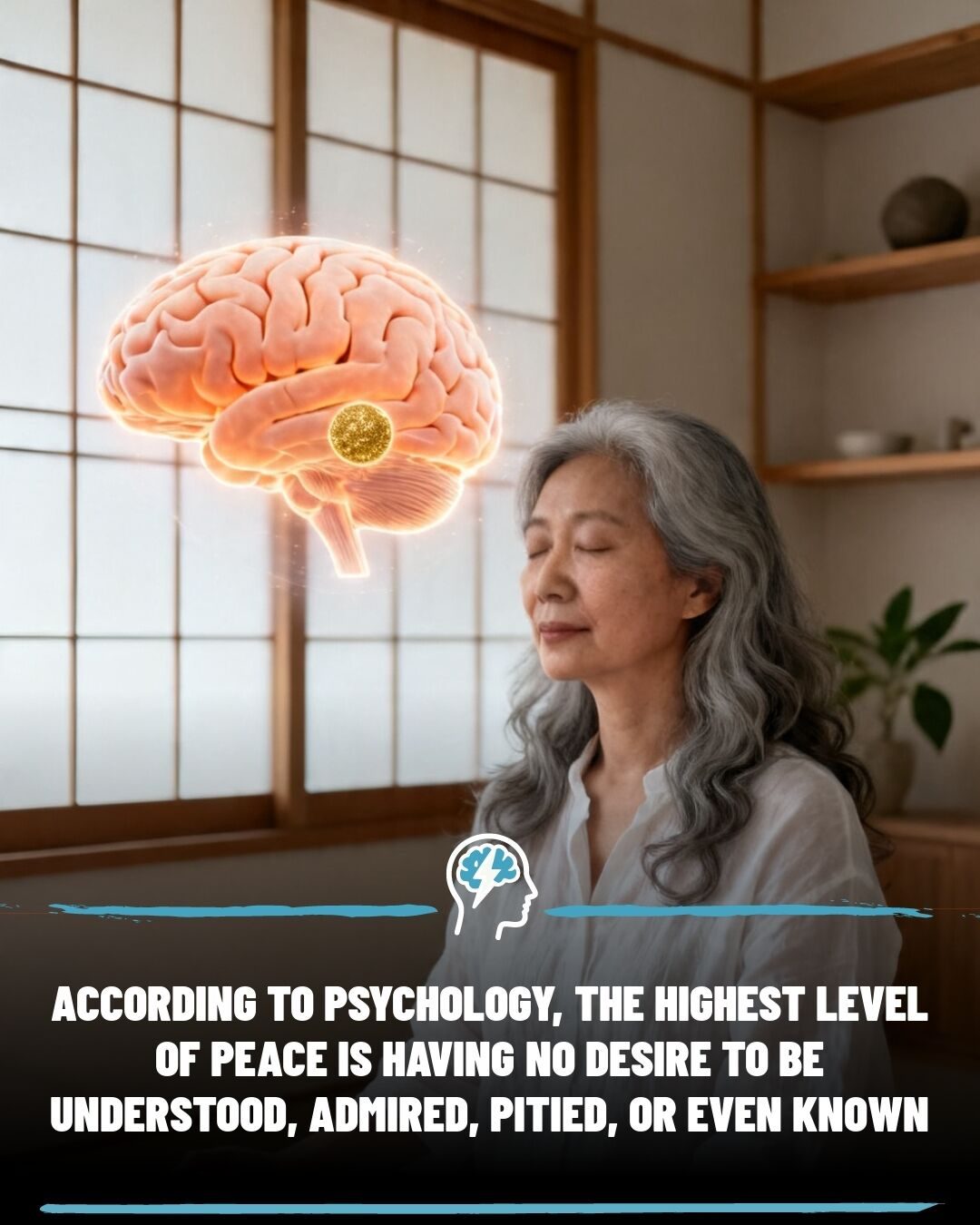
Psychology and Peace
Inner peace is often pursued through various means, but psychological research suggests it is not about being understood, admired, or pitied. It is a state of mind that is calm, balanced, and characterized by healthy acceptance and the absence of unhealthy grasping — a mind free from external validation.
Context / Why this matters
Understanding the psychological underpinnings of inner peace is crucial for navigating life's challenges. When we constantly seek validation, admiration, or approval from others, we may disrupt our own emotional stability and create unnecessary stress. Psychological research indicates that focusing on wanting or needing others to see us in a certain way keeps our minds unsettled and prevents us from achieving a peaceful mental state.
Main discussion
The highest level of peace: Independence from external validation
The highest level of peace, according to psychology, involves having no desire to be understood, admired, pitied, or even known. This does not imply isolation or disconnection. Rather, it signifies an inner stability that is not dependent on external factors. This state of mind allows for a deep sense of emotional grounding and genuine connection with oneself and others. Inner peace becomes a place of genuine connection and self-worth, rather than a place of validation seeking.
The mechanism of inner peace
Inner peace develops through three key dimensions:
-
Acceptance of loss: This involves acknowledging and accepting that loss is a part of life. It doesn't necessarily mean that you need to be happy about it or even understand it, but it does mean that you need to accept that it is a part of life and move on.
-
Moving beyond excessive wanting: Focusing on what you have and being satisfied with it can help you move beyond excessive wanting. This can help you to find peace and contentment in your life.
-
Cultivating inner balance: This means finding a balance between wanting and having. It's okay to want things, but it's also important to be content with what you have.
When you spend less mental energy chasing external approval, that capacity may become available for emotional grounding and genuine connection.
The relationship between inner peace and compassion
Research supports that peace can coexist with deep compassion and connection. You can still care deeply while your stability does not depend on how others perceive you. True compassion, studies suggest, encompasses all beings, including ourselves. It's about gradually building emotional independence so that your peace becomes more internal than external.
Practical tips
Achieving inner peace is a gradual process that involves several practical steps:
-
Notice when you are seeking approval: Pay attention to situations where you find yourself seeking validation or approval from others. Recognize the underlying need for external validation.
-
Practice mindfulness: Engage in mindful activities such as meditation, deep breathing, or yoga. These practices can help you stay present and reduce stress.
-
Shift your focus: Instead of focusing on wanting something or needing someone to see you in a certain way, focus on the present moment and the things that you have. Focus on being content with what you have.
-
Cultivate self-compassion: Be kind to yourself and recognize your own worth. Understand that your value does not depend on external validation.
Important takeaways
- Inner peace is a calm and balanced mental state characterized by healthy acceptance and an absence of unhealthy grasping.
- Seeking external validation can disrupt emotional stability and create stress.
- Inner peace develops through acceptance of loss, moving beyond excessive wanting, and cultivating inner balance.
- True compassion and connection can coexist with inner peace.
- Achieving inner peace involves practical steps such as noticing when seeking approval, practicing mindfulness, and cultivating self-compassion.
Conclusion
Inner peace is a profound state of mind that can be achieved through a deeper understanding of one's emotional and mental state. By focusing on internal validation and cultivating self-compassion, you can achieve a sense of peace that is not dependent on external factors. It's important to remember that achieving inner peace is a gradual process and that small shifts can make a significant difference over time. By understanding the psychological underpinnings of inner peace and taking practical steps, you can cultivate a more balanced and fulfilling life.
Questions readers ask
What does psychological research say about the role of external validation in achieving inner peace?
Psychological research indicates that seeking external validation, such as admiration or approval from others, can hinder the achievement of true inner peace. It suggests that a mind focused on wanting others to see us in a certain way remains unsettled and unable to achieve a peaceful mental state.
How can accepting life's challenges contribute to inner peace?
Accepting life's challenges is a key aspect of cultivating inner peace. By embracing challenges rather than resisting them, individuals can reduce stress and anxiety, leading to a more balanced and content mindset. This acceptance allows for personal growth and emotional stability.
What are some practical techniques for cultivating inner balance and peace of mind?
Practical techniques for cultivating inner balance and peace of mind include mindfulness practices, such as meditation and deep breathing exercises. These practices help individuals focus on the present moment, reducing worries about the past or future, and promoting a calm and centered state of mind.
Why is it important to focus on personal contentment rather than external validation?
Focusing on personal contentment helps individuals develop a sense of fulfillment and satisfaction that is not dependent on others' opinions. This shift in mindset reduces the emotional turmoil caused by seeking external validation, promoting a more stable and peaceful mental state.
How does the mindset of true inner peace differ from seeking admiration or pity?
The mindset of true inner peace is characterized by a calm and balanced state of mind, free from the need for external validation. Seeking admiration or pity, on the other hand, keeps the mind unsettled and focused on others' perceptions, preventing the achievement of a peaceful mental state.
What role does emotional acceptance play in achieving inner peace?
Emotional acceptance involves acknowledging and embracing one's feelings without judgment. This process is crucial for achieving inner peace as it helps individuals process and release negative emotions, leading to a more content and balanced state of mind.
How can understanding the psychological underpinnings of inner peace help navigate life's challenges?
Understanding the psychological underpinnings of inner peace can help individuals navigate life's challenges by providing a framework for developing a more resilient and balanced mindset. By focusing on acceptance, contentment, and inner balance, individuals can reduce stress and maintain emotional stability in the face of adversity.
Recent articles
Fresh deep dives from the latest Reels we unpacked.




Comments
Be the first to comment.