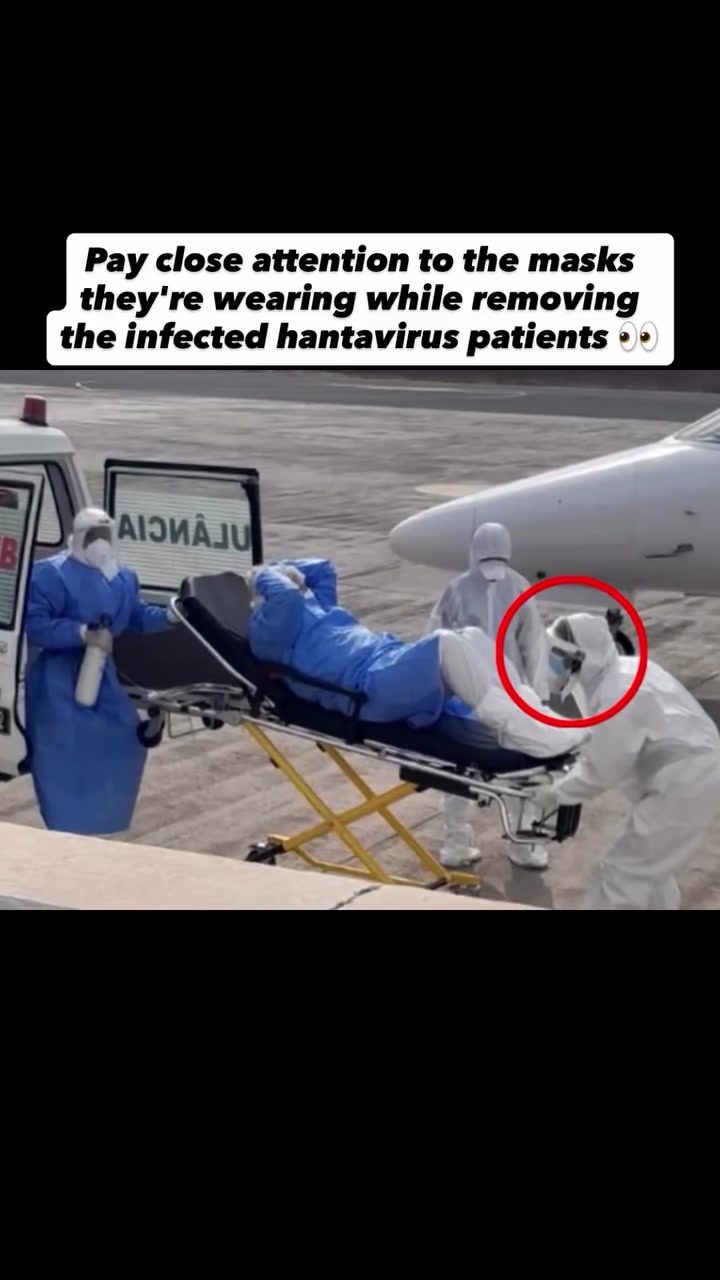
Emergency Response and Transportation
Emergency medical services (EMS) play a critical role in transporting patients to medical facilities in a timely and safe manner. One of the most recognizable vehicles in this fleet is the ambulance, a specialized emergency vehicle designed to respond to medical emergencies and provide en-route care. Let's delve into the importance of ambulances, the role of protective gear in emergency response, and the specific considerations for transporting patients with infectious diseases.
The Role of Ambulances in Emergency Response
An ambulance is a vital component of the emergency response system. These vehicles are equipped with medical tools and supplies to stabilize patients during transport to a hospital or other healthcare facilities. The primary goal of an ambulance is to provide immediate medical care and transport the patient safely and efficiently to a definitive care setting.
In urban and rural areas, the design and configuration of ambulances can vary. However, they all share common features: a stretcher, medical equipment, and supplies to handle a wide range of emergencies. Ambulances are staffed by trained medical personnel, including Emergency Medical Technicians (EMTs) and paramedics, who are skilled in administering first aid, providing emergency medical treatments, and monitoring vital signs.
Key Components of an Ambulance
-
Stretcher and Restraint System: The stretcher is a critical component used to transport patients safely. It is designed to be secure and adjustable to accommodate patients of different sizes and conditions. The restraint system ensures that the patient remains safe during transport, particularly in high-speed situations.
-
Medical Equipment: Ambulances are equipped with a variety of medical equipment, including defibrillators, oxygen tanks, suction devices, and IV fluids. This equipment allows medical personnel to provide immediate care and stabilize patients before they reach the hospital.
-
Communication Systems: Modern ambulances are equipped with advanced communication systems, including radios and GPS, to ensure that responders can coordinate with other emergency services and quickly navigate to the patient's location.
Protective Gear in Emergency Response
One of the most important considerations for medical personnel is protective gear. This gear is crucial for ensuring the safety of both the healthcare providers and the patients, especially when dealing with infectious diseases. Protective gear typically includes masks, gloves, gowns, and eye protection.
When transporting a patient with an infectious disease, such as hantavirus, it is essential for medical personnel to wear appropriate personal protective equipment (PPE). This includes:
-
Masks: Depending on the level of risk, medical personnel may wear surgical masks or N95 respirators to protect against airborne pathogens. These masks are designed to create a barrier between the wearer and the infectious agents in the air.
-
Gloves: Medical gloves help protect against direct contact with bodily fluids, which can contain infectious agents. Gloves should be worn and changed as needed to prevent cross-contamination.
-
Gowns and Aprons: Protective gowns and aprons provide a physical barrier between the wearer and any potential infectious materials. These should be fluid-resistant and disposable.
-
Eye Protection: Goggles or face shields protect the eyes and surrounding areas from splashes and airborne particles. This is particularly important when dealing with respiratory infections.
The importance of using protective gear correctly cannot be overstated. Proper donning and doffing techniques, as well as adherence to infection control protocols, are essential to minimize the risk of infection and ensure the safety of both the patient and the medical personnel.
Transporting Patients with Infectious Diseases
Transporting patients with infectious diseases poses unique challenges. The primary concern is preventing the spread of the disease to healthcare workers and other patients. Ambulances are designed to be as sterile as possible, and additional precautions are taken to ensure a safe transport environment.
Specific Considerations for Infectious Disease Transport:
-
Isolation: Keeping the patient isolated from other medical personnel and patients is crucial. This can be achieved using isolation barriers or designated isolation units within the ambulance.
-
Ventilation: Proper ventilation is essential to minimize the spread of airborne pathogens. Ambulances are designed with ventilation systems that help filter and circulate air, reducing the risk of contamination.
-
Disinfection: After transporting an infectious patient, the ambulance must be thoroughly disinfected. This involves cleaning and disinfecting all surfaces, equipment, and areas that the patient came into contact with.
Focus on Protective Masks
When dealing with infectious diseases like hantavirus, the type of mask used is critical. The hantavirus is primarily transmitted through contact with infected rodents or their waste. Medical personnel must take extra precautions when handling patients suspected of having hantavirus infection:
-
N95 Respirators: These respirators are designed to fit tightly around the nose and mouth, creating a seal that filters out at least 95% of airborne particles. They are particularly effective against airborne pathogens and should be worn in situations where there is a high risk of inhaling infectious particles.
-
Face Shields: In addition to masks, face shields provide an extra layer of protection by covering the entire face, including the eyes, nose, and mouth. This is crucial when dealing with aerosolized particles that could potentially enter through the eyes or mouth.
-
Proper Use and Disposal: Medical personnel must be trained in the proper use and disposal of masks. This includes ensuring a proper fit, changing masks as needed, and disposing of them in designated biohazard containers.
Practical Tips for Emergency Medical Personnel
In the field, medical personnel need to be prepared and vigilant. Here are some practical tips to ensure safety and efficiency:
-
Regular Training: Ongoing training in infection control and emergency response procedures is essential. This ensures that personnel are up-to-date with the latest best practices and guidelines.
-
Preparation: Always have the necessary PPE and medical supplies on hand. Knowing where equipment is located and how to use it quickly can save valuable time in emergency situations.
-
Communication: Clear and effective communication with other emergency responders and the hospital is crucial. This ensures that the patient receives the appropriate care and that the ambulance crew is aware of any changes in the patient's condition or additional precautions.
Important Takeaways
Emergency medical services, including ambulance transportation, are critical for saving lives. The use of protective gear, particularly masks, is essential to prevent the spread of infectious diseases. By adhering to proper protocols and using the right equipment, medical personnel can ensure a safe and efficient response to emergencies.
Conclusion
The role of ambulances in emergency response cannot be underestimated. Equipped with the right medical tools and staffed by trained personnel, ambulances provide immediate care and transport patients to medical facilities. The use of protective gear, like masks, is vital in ensuring the safety of both patients and healthcare providers, especially when dealing with infectious diseases. By understanding the importance of protective measures and adhering to best practices, medical personnel can effectively manage and transport patients, ultimately saving lives.
Questions readers ask
What specific protective gear should EMS personnel use when transporting a hantavirus patient?
When transporting a hantavirus patient, EMS personnel should use personal protective equipment (PPE) including gloves, gowns, face shields or goggles, and respirators. N95 respirators or higher are recommended to protect against airborne particles.
What are the key safety protocols for ambulance crews when dealing with hantavirus patients?
Key safety protocols include isolating the patient in the ambulance, minimizing contact, and ensuring proper ventilation. Regular hand hygiene and proper disposal of contaminated materials are also crucial. Additionally, EMS personnel should follow strict decontamination procedures after each transport.
How should an ambulance be prepared to transport a hantavirus patient?
Before transporting a hantavirus patient, the ambulance should be equipped with necessary PPE. In addition, all surfaces should be cleaned and disinfected. The ambulance should have a dedicated area for the patient to minimize contamination and ensure the safety of the crew.
What guidelines should EMTs follow when transporting a hantavirus patient?
EMTs should follow strict protocols including wearing appropriate PPE, isolating the patient, and using separate equipment for the patient that won't be used on others. They should also communicate the patient's condition and the necessary precautions to the receiving facility in advance.
What steps should be taken after transporting a hantavirus patient to ensure the safety of the ambulance and crew?
After transporting a hantavirus patient, the ambulance should undergo thorough decontamination. This includes cleaning and disinfecting all surfaces, disposing of contaminated materials safely, and ensuring proper ventilation. The crew should also change out of their protective gear and wash their hands thoroughly.
Are there any specific precautions for EMS personnel who might be exposed to hantavirus?
EMTs who might be exposed to hantavirus should monitor their health for symptoms and seek medical attention if they develop fever, fatigue, muscle aches, or shortness of breath. They should also follow up with occupational health services for guidance and potential testing.
How can ambulance safety protocols help prevent the spread of hantavirus and other infectious diseases?
Ambulance safety protocols, such as proper use of PPE, isolation of patients, and thorough decontamination, help prevent the spread of hantavirus and other infectious diseases by minimizing direct contact, reducing airborne transmission, and maintaining a clean environment. Strict adherence to these protocols protects both EMS personnel and the broader community.
Recent articles
Fresh deep dives from the latest Reels we unpacked.




Comments
Be the first to comment.