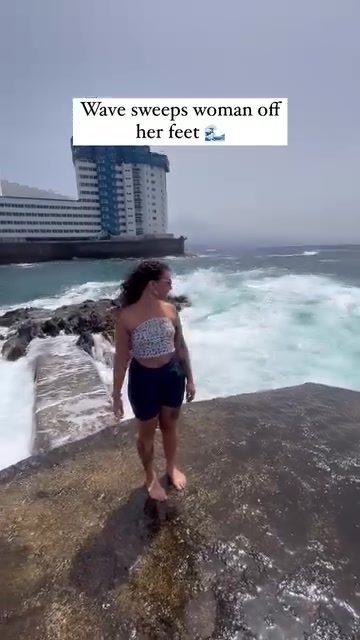
Unexpected Ocean Encounter: The Power of Waves
Ocean waves can be both beautiful and treacherous. Waves can reach heights of over 100 feet and travel at speeds exceeding 50 miles per hour. Most waves are caused by wind blowing across the surface of the ocean. This wind energy transfers to the water, creating waves. But sometimes, the ocean's power can catch even the most experienced adventurers off guard. A recent close encounter with a wave illustrates the unanticipated force of the ocean.
A woman was standing on rocks near the ocean when a large wave suddenly swept her off her feet, knocking her into the water. The incident serves as a stark reminder of the ocean's power. While the video doesn't show whether the woman was injured, it highlights the potential dangers of being near the ocean, especially for backpackers and other outdoor adventurers.
Understanding Waves and Ocean Safety
The Science Behind Waves
Waves are created by wind blowing across the ocean's surface. This process can happen at any time, day or night. The size, speed, and power of the wave depend on various factors, including wind speed, wind duration, and the distance over which the wind blows, commonly known as fetch. The fetch refers to the distance of the ocean's surface that the wind interacts with, creating waves.
Types of Waves
There are three main types of waves: wind waves, swell waves, and tsunami waves. Wind waves are the most common and are created by the wind blowing across the ocean's surface. Swell waves travel long distances across the ocean after being generated by storms or other significant weather events. Tsunami waves are caused by earthquakes, volcanic eruptions, or other underwater disturbances and can travel at high speeds and reach great heights.
The Dangers of Ocean Waves
Force and Impact
The power of a wave can be immense, as seen in the video. Even a small wave can knock a person off their feet, and larger waves can cause significant injuries or even death. The force of a wave comes from the wind energy transferred to the water, and the impact can be compounded by the water's weight.
Environmental Factors
Several environmental factors can increase the risk of being swept away by a wave. These include:
- Tidal conditions: Tides can affect the height and power of waves. Higher tides can result in larger waves, while lower tides can create stronger currents.
- Weather: Storms and other severe weather conditions can generate large waves and strong currents.
- Geography: Coastal features such as rocks, cliffs, and reefs can influence the behavior of waves and increase their power.
Staying Safe in the Ocean
Before You Go
- Check the forecast: Before heading to the ocean, check the weather and wave forecasts. This can help you anticipate potential hazards and plan your activities accordingly.
- Know the tides: Tide charts are available online and can help you understand the expected water levels and currents.
While You're There
- Stay alert: Pay attention to your surroundings and be aware of changing conditions.
- Stay clear of the water's edge: Even if you're on rocks or near the ocean, maintaining a safe distance can help you avoid being swept away by sudden waves.
- Swim safely: Always swim in designated areas and follow local guidelines. Avoid swimming alone or in areas where lifeguards are not present.
- Stay calm: If you're caught in a strong current or wave, try to stay calm and swim parallel to the shore, if possible.
Practical Tips
Even the most experienced adventurers can be caught off guard by unexpected waves. Follow these practical tips to enhance your safety at the shore and beyond:
- Know your limits: Understand your physical abilities and limitations. Don't overestimate your strength or skills, especially in challenging conditions.
- Wear a life jacket: When near the ocean or any large body of water, wearing a life jacket can provide additional safety.
- Stay hydrated and nourished: Dehydration and low blood sugar can impair your judgment and physical abilities, making it harder to respond to sudden changes in conditions.
Important Takeaways
- Always be aware of your surroundings and the potential hazards in the area. The ocean can be unpredictable, and conditions can change rapidly.
- Stay safe and prepared: Conduct thorough research before visiting any area. An informed adventurer is a safer adventurer.
- Respect the power of nature and the ocean. A seemingly calm day can quickly turn dangerous, so maintain a healthy respect for the natural world.
- Always have a backup plan: If you're traveling alone, make sure someone knows your itinerary and expected return time. In case of an emergency, having a backup plan can save your life.
- Carry essential gear: Ensure you have the necessary equipment, such as a first-aid kit, map, compass, and communication devices. Being prepared can make a significant difference in an emergency.
Conclusion
The ocean's majestic beauty can mask its immense power. While it's crucial to enjoy and explore the natural world, always prioritize safety. The unexpected wave encounter serves as a reminder of the ocean's unpredictability and the importance of staying vigilant and prepared. Embrace the adventure, but never underestimate the force of nature.
Questions readers ask
What are the primary factors that determine the size and speed of ocean waves?
The primary factors that determine the size and speed of ocean waves are wind speed, wind duration, and the distance over which the wind blows, known as fetch. Stronger winds, longer durations, and greater fetch distances create larger and faster waves.
How are most ocean waves formed?
Most ocean waves are formed by wind blowing across the ocean's surface. The wind transfers energy to the water, creating waves. This is why wind-driven waves are the most common type found in the earth's oceans.
What are some of the different types of beach waves and their characteristics?
Beach waves can be categorized into several types, including spilling waves, plunging waves, and surging waves. Spilling waves break gradually and are common on gentle slopes. Plunging waves break suddenly and are typical of steeper beaches. Surging waves occur when waves break on very steep beaches and can cause a powerful rush of water up the shore.
What are some important beach safety tips when dealing with powerful ocean waves?
To stay safe near powerful ocean waves, always pay attention to local warnings and flags, be cautious of rip currents, and avoid standing on rocks or jetties during high surf. Keep a safe distance from the water's edge and be aware of your surroundings. Never turn your back on the ocean.
Why can waves be dangerous, even to experienced adventurers?
Waves can be dangerous due to their unpredictable nature and the immense force they carry. Even experienced adventurers can be caught off guard by sudden changes in wave patterns, unexpected large waves, or strong currents. Always respect the ocean's power and stay alert.
What should you do if you are caught in a strong wave while near the shore?
If caught in a strong wave, stay calm and try to swim parallel to the shore to escape the pull of the current. If you are swept off your feet, try to float with the wave and swim when it passes. If you are near the shore, wading out against the waves might be possible, but never attempt to swim against a powerful current.
What precautions should backpackers take regarding ocean waves during coastal trips?
Backpackers should research the weather and ocean conditions before setting out. Always carry a map and know the tide schedule, and be prepared to change your route if necessary. Look for high ground and avoid camping too close to the shoreline, especially during high tides and stormy conditions.
Related deep dives
Similar reads based on topic and creator.




Recent articles
Fresh deep dives from the latest Reels we unpacked.




Comments
Be the first to comment.