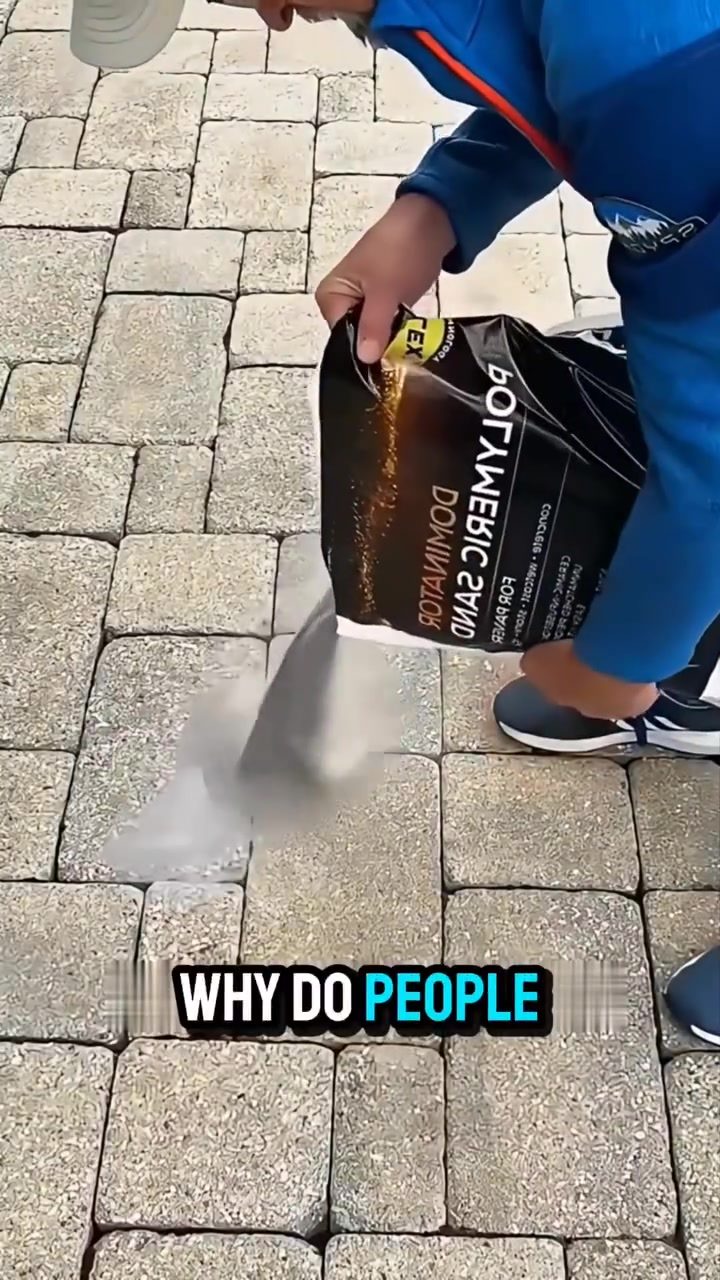
Why Americans Use Sand Instead of Cement for Pavers
Polymeric sand is the secret ingredient that makes paved surfaces in the U.S. durable and low-maintenance. Unlike traditional cement, polymeric sand is specifically designed to lock pavers together, creating a strong and stable surface. This type of sand is not your average gray sand; it contains polymers that, when activated with water, bond the sand particles together, forming a solid, interlocked matrix.
Why Polymeric Sand Matters
Polymeric sand offers several advantages over traditional cement for paving projects. First and foremost, it provides superior stability and durability. The bonding action of the polymers ensures that the pavers remain firmly in place, even under heavy use and varying weather conditions. This stability is particularly important for areas with high foot traffic or vehicle use, such as driveways, patios, and walkways.
Another key benefit is the ease of maintenance. Polymeric sand reduces the likelihood of weed growth between pavers, as the bonded sand creates a barrier that prevents weed seeds from taking root. Additionally, the sand's ability to bond tightly means that it resists erosion and washout, keeping the surface clean and intact with minimal upkeep.
Installation Process
Installing polymeric sand involves several critical steps to ensure a durable and long-lasting surface. Here’s a detailed look at the process:
-
Installation of Pavers: Begin by laying the pavers in the desired pattern. Ensure that the pavers are level and secure.
-
Application of Dry Sand: Spread a layer of dry polymeric sand evenly across the surface of the pavers. Use a broom to sweep the sand into all the joints between the pavers. This step ensures that the sand fills the gaps completely.
-
Compaction: Use a plate compactor to vibrate the pavers. This action helps the sand settle deeply into the joints, creating a solid foundation.
-
Removing Excess Sand and Dust: Before adding water, meticulously remove any excess sand and dust from the surface of the pavers. This step is crucial because any remaining particles can interfere with the bonding process and leave unsightly stains.
-
Activation with Water: Once the surface is clean, gently spray it with water. The water activates the polymers in the sand, causing the particles to bond together as they dry. This bonding action creates a strong, stable surface that resists movement and erosion.
-
Final Compaction (Optional): For added stability, you might perform a final compaction after the initial water activation. This step helps ensure that the sand is firmly in place, creating an even more durable surface.
Maintenance and Longevity
Proper maintenance is key to extending the lifespan of pavers secured with polymeric sand. Regular sweeping and occasional washing help remove debris and prevent the buildup of dirt and grime. However, unlike cement, polymeric sand doesn't require frequent resealing or resealing after heavy use or weather exposure. This makes it a cost-effective and time-saving choice for homeowners and contractors alike. Additionally, the polymer-sealing agent maintains a stable, weed-resistant surface for years, minimizing the need for extensive repairs or replacements.
The polymeric sand effectively locks the pavers in place, ensuring that the pavement remains stable and intact. This stability not only enhances the aesthetic appeal of the surface but also provides a safe and reliable walking or driving surface.
Practical Tips for Using Polymeric Sand
To get the most out of polymeric sand, follow these practical tips:
- Choose the Right Product: Ensure that you are using a high-quality polymeric sand designed for paving applications. Look for products that are specifically formulated to bind tightly and resist degradation.
- Precise Application: Be precise when applying the sand. Too much or too little can compromise the stability and longevity of the pavement. Follow the manufacturer's guidelines for the correct amount of sand to use per square foot.
- Timing is Key: Activate the polymer with water at the right time. Adding water too soon can lead to premature hardening, while waiting too long can result in weak bonding. Proper timing ensures a strong, durable surface.
- Regular Maintenance: While polymeric sand is low-maintenance, regular cleaning and occasional resealing can extend its life and keep the surface looking its best.
Important Takeaways
- Polymeric sand is a superior choice for locking pavers together, offering stability, durability, and low maintenance.
- The installation process involves several key steps, including the application of dry sand, compaction, and water activation.
- Proper maintenance ensures that the surface remains intact and weed-free for years.
- Choosing high-quality polymeric sand and following precise application guidelines is crucial for achieving the best results.
Conclusion
Polymeric sand has revolutionized the way pavers are installed and maintained in the U.S. Its ability to bond tightly and resist erosion makes it an ideal choice for both residential and commercial paving projects. By understanding the installation process and following best practices for maintenance, you can ensure a stable, durable, and attractive paved surface that will last for years with minimal upkeep.
Questions readers ask
What makes polymeric sand a better choice for paving projects compared to traditional cement?
Polymeric sand is designed to bond paver joints together, creating a stable and durable surface. Unlike cement, it activates with water to form a solid, interlocked matrix, ensuring longevity and minimal maintenance, making it ideal for high-traffic areas like driveways and patios.
How does polymeric sand enhance the longevity of paved surfaces?
Polymeric sand enhances longevity by bonding the sand particles together with polymers that activate with water. This creates a strong, interlocking matrix that holds pavers securely in place, even under heavy use and varying weather conditions, reducing the need for frequent repairs or replacements.
What are the key benefits of using polymeric sand for paver installation?
The key benefits include superior stability, durability, and minimal maintenance. Polymeric sand ensures that pavers remain stable and secure, reducing the risk of shifting or settling, and it prevents weed growth and insect infestations, making it a desirable choice for various paving applications.
Can polymeric sand be used for both residential and commercial paving solutions?
Yes, polymeric sand is versatile and can be used for both residential and commercial projects. It is suitable for driveways, patios, walkways, and other high-traffic areas, providing a durable and low-maintenance solution for any setting.
How does polymeric sand compare to other paver sand alternatives?
Polymeric sand stands out due to its bonding properties, which create a strong, interlocking matrix that other sand alternatives lack. This results in a more stable and durable surface, reducing the need for frequent maintenance and making it a superior choice for paving projects.
What are the best polymeric sand brands available in the U.S.?
Several reputable brands offer polymeric sand in the U.S., including Alliance Gator, Paver Set, and Techniseal. Each brand has its unique formulations and benefits, so it's essential to research and choose one that best fits your specific paving needs and project requirements.
How does polymeric sand contribute to a well-sealed paver surface?
Polymeric sand, when activated with water, creates a solid, interlocking matrix that bonds the paver joints together. This process effectively seals the paver surface, preventing water and debris from penetrating the joints, reducing the risk of weed growth, and enhancing overall stability and durability.
Recent articles
Fresh deep dives from the latest Reels we unpacked.




Comments
Be the first to comment.